Across the Great Divide
"null"
Plot
"Across the Great Divide" is a short western melodrama about a financially desperate operator who finds himself working far from the woman he loves, placing his personal hopes at odds with the dangers of frontier labor. While he struggles to hold onto both his livelihood and his relationship, a criminal and an accomplice attempt to pressure him into helping them carry out a scheme that will cause a train crash. The story builds around coercion, suspense, and the moral test of whether the operator will risk everything to resist the criminals or become complicit in their plan. As in many one-reel westerns of the period, the drama is compressed into a brisk sequence of threats, danger, and emotional stakes, ending with the familiar silent-era emphasis on virtue overcoming criminal sabotage.
Director
Edward C. TaylorAbout the Production
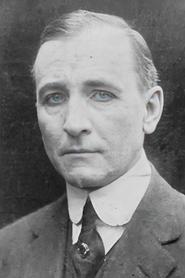
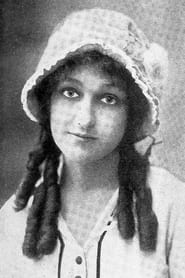
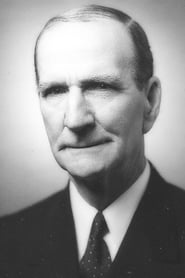
This was produced as a short silent western melodrama during the mid-1910s, when Vitagraph was supplying large quantities of one-reel pictures for the domestic market and for distribution through rental exchanges. The film is associated with director Edward C. Taylor and cast members George A. Wright, Bessie Learn, and Frank McGlynn Sr., but detailed production records, surviving continuity sheets, and location documentation do not appear to be readily available. Like many films of its type, it likely relied on economical staging, stock western imagery, and studio-controlled shooting rather than elaborate exterior location work. The film is important primarily as an example of the compact, moralized action dramas that helped define the silent-era western short.
Historical Background
The film was released in 1915, a transformative year in American cinema and in the broader world. The United States was still before its entry into World War I, and the film industry was expanding rapidly through the dominance of large studios, distributed short subjects, and the growing standardization of genre storytelling. Westerns in this period often blended frontier action with melodrama, reflecting both the popularity of railroad imagery and a cultural fascination with the tension between technology, law, and untamed spaces. The story’s train-crash sabotage plot also mirrors early twentieth-century anxieties about infrastructure, industrial vulnerability, and the moral dangers of criminal interference with modern transportation.
Why This Film Matters
"Across the Great Divide" is culturally significant as a representative example of the silent western short, a form that helped establish many of the narrative patterns later expanded in feature-length westerns. Even if not widely remembered, it belongs to the body of work that normalized the western as a moral drama about courage, loyalty, criminality, and frontier order. Its focus on railway danger ties the mythology of the West to modernization, showing how silent films used the railroad as both a symbol of progress and a source of spectacle. For historians, the film also matters because it preserves the names of early screen performers and directors whose work shaped studio-era genre production, even when the films themselves have become obscure.
Making Of
Because "Across the Great Divide" was a 1915 short, behind-the-scenes documentation is sparse, and no detailed production diary or full studio memo trail is widely known to survive in public sources. The film was made in the context of Vitagraph’s efficient production system, which favored quickly mounted genre films with clear narrative hooks, recognizable stock situations, and a dependable cast of silent-era players. Director Edward C. Taylor was working in an industry where staging practical danger scenes such as train sabotage had to be suggested economically and safely, often through selective editing, model work, or offscreen implication rather than elaborate special effects. The casting of Bessie Learn and Frank McGlynn Sr. fits the period’s practice of using recurring studio performers who could handle melodramatic gestures and concise storytelling within a short runtime.
Visual Style
Specific cinematographic credits and technical descriptions are not widely preserved in accessible modern references for this film. As a 1915 silent western short, it was likely photographed in a straightforward style typical of the period, with static or minimally mobile camera setups, clear framing for action readability, and intertitles used to supply dialogue and exposition. The visual emphasis would have been on legible staging of the railroad-related suspense, expressive performance, and quick narrative clarity. Any visual style would have been shaped by the constraints and conventions of early studio western filmmaking rather than by later, more elaborate tracking shots or landscape-heavy composition.
Innovations
The film does not appear to be associated with any major technical innovation, but it likely demonstrates the efficient storytelling techniques of early silent cinema. Its use of a train-crash sabotage premise would have required clever visual suggestion, economical staging, and editing that could communicate danger without expensive effects. The production also reflects the refined assembly-line methods of a studio like Vitagraph, where genre pictures were designed to be clearly readable and rapidly distributed. In historical terms, the achievement lies in its participation in the evolution of the western short and in the refinement of action-melodrama conventions.
Music
As a silent film, "Across the Great Divide" did not have an original synchronized soundtrack. Exhibitions would have been accompanied by live music, which could range from a single theater pianist to a small ensemble depending on the venue and the exhibitor’s resources. Music selections would typically have been improvised or compiled from cue sheets and stock theater repertory, with action scenes often accompanied by dramatic march or suspense motifs. No specific original score is widely documented in surviving public sources.
Famous Quotes
null
Memorable Scenes
- The most memorable dramatic setup is the criminals’ effort to force the operator into helping with the train-crash scheme, which drives the suspense and moral conflict.
- The film’s railroad danger material would have been the central action set piece, using the threat of sabotage to create urgency and danger within a very short running time.
Did You Know?
- The film is a silent-era western melodrama rather than the later 1930s or 1940s feature films that share similar frontier themes.
- Its plot centers on train sabotage, a common melodramatic device in early cinema because railroads symbolized modern danger, speed, and civilization moving through the frontier.
- Edward C. Taylor directed the film during a period when Vitagraph was producing many short genre pictures for rapid theatrical turnover.
- George A. Wright, Bessie Learn, and Frank McGlynn Sr. were among the credited players associated with the film in surviving database records.
- The film appears in modern archival references under its exact 1915 title, helping distinguish it from other works with the same or similar name.
- As a short western, it likely ran only a single reel or a similarly brief format, which was typical for the period.
- No widely circulated synopsis beyond the basic plot premise is commonly preserved, suggesting the film is obscure and lightly documented today.
- The survival status is uncertain in many public references, reflecting how many 1915 shorts have limited surviving archival traces.
- The title evokes a frontier crossing or geographical divide, a phrase that would have resonated with audiences accustomed to railroad and migration imagery in western storytelling.
- The film reflects the era’s repeated moral pattern in which criminal coercion is contrasted with the virtue of the endangered hero and his distant beloved.
What Critics Said
Contemporary critical reception is not well documented in surviving widely accessible sources, and there do not appear to be extensive published reviews commonly cited today. As a 1915 short subject, it would likely have been reviewed, if at all, in trade contexts or local exhibition notices rather than in the major critical discourse reserved for prestige features. Modern reception is similarly limited, largely consisting of database entries, catalog references, and historical interest from silent-film researchers. In that sense, the film is valued more as an archival artifact and an example of early western production than as a subject of substantial ongoing criticism.
What Audiences Thought
There is no strong surviving record of audience response specific to this title, which is common for many silent-era short films. At the time, such films were designed for broad audience consumption in neighborhood theaters and were expected to provide immediate entertainment rather than sustain long-term notoriety. The story’s clear stakes—romance, financial distress, criminal pressure, and railroad peril—would have made it accessible to general audiences of the period. Any reception today is primarily retrospective, with interest coming from silent-film enthusiasts, archivists, and historians rather than from contemporary mass audiences.
Film Connections
Influenced By
- Early American western melodramas
- Railroad rescue and sabotage stories popular in turn-of-the-century popular fiction
- Vitagraph’s established short-subject western formula
This Film Influenced
- Later silent western shorts that combined romance, danger, and railroad action
- Early studio westerns that used criminal sabotage as a central suspense device
You Might Also Like
More from Edward C. Taylor
View allFilm Restoration
The preservation status is not clearly documented in widely accessible public references. It may survive only in incomplete archival records or may be lost, as is common for many 1915 shorts, but a definitive surviving print cannot be confirmed from the information readily available here. The film should therefore be treated as an obscure early silent title with uncertain archival survival until a holding is identified in a major archive catalog.