Tomio Aoki
Actor
Born: August 12, 1923 in Tokyo, Japan Died: March 22, 2004 Active: 1929-1936 Birth Name: 青木 富夫 (Aoki Tomio)
Films
2 films
About Tomio Aoki
Renowned Japanese child actor of the silent and early sound era, best known for his collaborations with director Yasujirō Ozu. Born in Tokyo in 1923, Aoki began his film career at the remarkably young age of six, quickly becoming one of Japan's most recognizable child stars of the 1930s. He earned his famous nickname 'Tokkan Kozō' (Dashingly Impudent Kid) after his breakout performance in Ozu's 1929 film, which showcased his natural talent and charismatic screen presence. Throughout his brief but impactful career, Aoki appeared in over 20 films, working primarily with Ozu but also with other notable directors of the period. His most celebrated performance came in Ozu's masterpiece 'I Was Born, But..' (1932), where he played one of the two brothers at the heart of the story. As he entered adolescence, Aoki's acting career naturally declined, as is common with child actors, though he on Japanese cinema's golden age. His performances captured the innocence and complexity of childhood with remarkable authenticity, influencing how child actors would be cast in Japanese cinema for decades to come.
The Craft
On Screen
Naturalistic and authentic child performance style, characterized by spontaneous emotional expression and remarkable screen presence. Aoki's acting stood out for its lack of artificiality, bringing genuine childhood innocence and complexity to his roles. His ability to convey both humor and pathos made him particularly effective in Ozu's family dramas.
Milestones
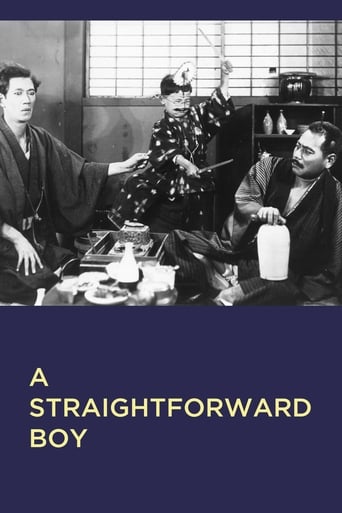
- Breakout role in Ozu's 'Straightforward Boy' (1929)
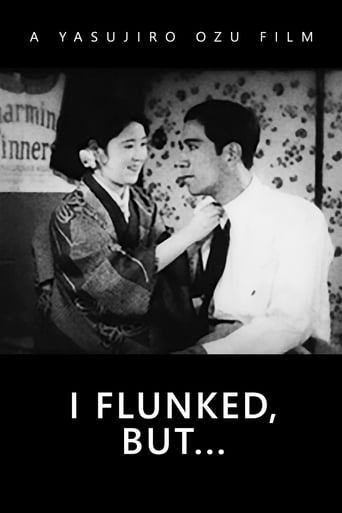
- Starred in 'I Was Born, But.' (1932)
- Worked extensively with director Yasujirō Ozu
- Became known as 'Tokkan Kozō' (Dashingly Impudent Kid)
- Appeared in over 20 films during his child acting career
Best Known For
Iconic Roles
Must-See Films
Accolades
Special Recognition
- Recognized as one of Japan's most iconic child actors of the 1930s
- His performances are studied in Japanese film history courses
Working Relationships
Worked Often With
Studios
Why They Matter
Impact on Culture
Tomio Aoki's performances helped define the archetype of the child actor in Japanese cinema, bringing unprecedented naturalism and authenticity to children's roles. His work with Yasujirō Ozu contributed significantly to the director's humanistic approach to family dynamics and social commentary. Aoki's ability to capture the complexity of childhood emotions influenced how Japanese filmmakers would approach child characters for decades, moving away from the theatrical, exaggerated performances common in earlier cinema toward more nuanced, realistic portrayals.
Lasting Legacy
Tomio Aoki remains. His nickname 'Tokkan Kozō' became synonymous with precocious and authentic child acting in Japan. Film historians and scholars frequently cite his work as exemplary of the naturalistic style that would come to define much of Japanese cinema's golden age. His performances, particularly in 'I Was Born, But.', continue to be referenced in discussions of great child performances in world cinema.
Who They Inspired
Aoki's naturalistic acting style influenced subsequent generations of Japanese child actors and directors' approaches to working with children. His success demonstrated that child actors could carry complex emotional narratives, leading to more substantial roles for children in Japanese cinema. Directors who followed Ozu often sought to replicate the authenticity Aoki brought to his roles, making him an indirect influence on how childhood would be portrayed in Japanese film for decades.
Off Screen
After retiring from acting as a teenager, Tomio Aoki led a relatively private life away from the entertainment industry. He married and had children, working in various occupations outside of film. In his later years, he occasionally gave interviews about his experiences as a child actor in Japan's golden age of cinema, providing valuable insights into early Japanese filmmaking. He lived in Tokyo for most of his adult life and passed away in 2004 at the age of 80.
Education
Limited information available, likely attended school in Tokyo during his childhood
Family
- Unknown - private life details limited
Did You Know?
- Earned the nickname 'Tokkan Kozō' (Dashingly Impudent Kid) after his breakthrough performance
- Began acting at age 6 and retired before age 15
- Worked almost exclusively with Shochiku Studios
- His performance in 'I Was Born, But.' is considered one of the greatest child performances in cinema history
- The film that gave him his nickname was originally titled 'Tokkan Kozō' (1929)
- Despite his fame, very little is known about his personal life after retiring from acting
- He was one of the first child stars in Japanese cinema to achieve widespread recognition
- His natural acting style contrasted sharply with the more theatrical performances common in silent-era Japanese cinema
- Ozu considered him one of his most reliable and talented young actors
- After retiring, he rarely discussed his acting career, maintaining privacy about his childhood fame
In Their Own Words
(As a child actor, few direct quotes are recorded, but his performances spoke volumes about childhood innocence and wisdom beyond years)
Frequently Asked Questions
Who was Tomio Aoki?
Celebrated Japanese child actor of the 1930s, best known for his work with on YTB.my. Nicknamed 'Tokkan Kozō' (Dashingly Impudent Kid), he became one of Japan's most recognizable child stars, appearing in over 20 films before retiring as a teenager.
What films is Tomio Aoki best known for?
Titles linked here include I Was Born, But. (1932), Straightforward Boy (1929).
When was Tomio Aoki born and when did he die?
Born August 12, 1923; died March 22, 2004.
What awards did Tomio Aoki win?
During his active period in the 1930s, formal acting awards were not as established as they are today. However, Aoki received critical acclaim and recognition for his performances, and his work is now regarded as award-worthy by film historians and scholars of Japanese cinema.
What was Tomio Aoki's acting style?
Aoki was known for his remarkably naturalistic and authentic acting style, which stood out during an era when child performances were often overly theatrical. He brought genuine emotion and spontaneity to his roles, particularly excelling at conveying the complexity of childhood feelings with remarkable maturity.