
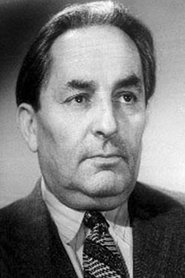
Aleksandr Stolper
Director
Born: August 12, 1907 in Dvinsk, Russian Empire (now Daugavpils, Latvia) Died: January 11, 1979 Active: 1930-1977 Birth Name: Aleksandr Borisovich Stolper
Films
4 films
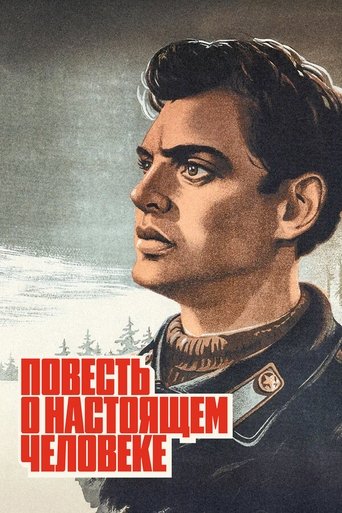
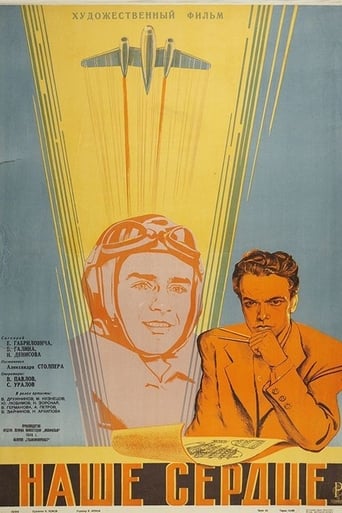
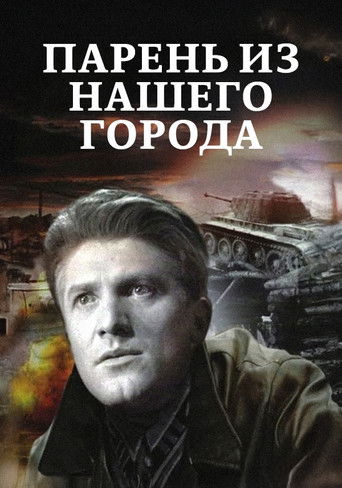
About Aleksandr Stolper
Aleksandr Borisovich Stolper — prominent Soviet film director and screenwriter who made significant contributions to Russian cinema during the mid-20th century. After graduating from the State Institute of Cinematography (VGIK) in 1930, he began his career as an assistant director before moving into directing his own films in the 1930s. Stolper gained national recognition during World War II with his patriotic films that resonated deeply with Soviet audiences. His most acclaimed works include 'Wait for Me' (1943), which became popular Soviet films of the war period, and 'Story of a Real Man' (1948), which showcased his ability to adapt literary works for the screen. Throughout his career, Stolper was known for his ability to create emotionally powerful narratives that aligned with Soviet ideological themes while maintaining artistic integrity. He continued directing through the 1950s and 1960s, though his most significant contributions came during the war and immediate post-war years. Stolper's films were characterized by their humanistic approach to heroic subjects and their ability to connect with ordinary Soviet citizens.
The Craft
Behind the Camera
Stolper's directing style was characterized by a blend of socialist realism with humanistic storytelling. He had a particular talent for adapting literary works to the screen while maintaining their emotional depth and ideological messages. His films often focused on ordinary people performing extraordinary acts of heroism, using close-ups and intimate character development to create emotional connections with audiences. Stolper employed classical cinematic techniques with careful attention to composition and lighting, creating visually striking scenes that enhanced the narrative. His direction of actors emphasized naturalistic performances within the constraints of Soviet cinema, allowing for genuine emotional expression while serving the broader ideological purposes of his films.
Milestones
- Graduated from VGIK (State Institute of Cinematography) in 1930
- Directed the wartime hit 'Wait for Me' (1943)
- Created 'Story of a Real Man' (1948) which won a State Prize
- Received the title of People's Artist of the RSFSR in 1977
- Adapted numerous literary works for the screen throughout his career
Best Known For
Must-See Films
Accolades
Won
- Stalin Prize (1948) for 'Story of a Real Man'
- State Prize of the RSFSR (1967) for 'Rise, People of Orphaned Villages!'
- Order of the Red Banner of Labour
- Order of the Badge of Honour
Nominated
- Cannes Film Festival Palme d'Or nomination (1948) for 'Story of a Real Man'
Special Recognition
- People's Artist of the RSFSR (1977)
- Honored Artist of the RSFSR (1964)
Working Relationships
Worked Often With
Studios
Why They Matter
Impact on Culture
Aleksandr Stolper made a significant impact on Soviet cinema during a critical period in Russian history. His wartime films, particularly 'Wait for Me,' became cultural touchstones that helped maintain morale during World War II. The film's theme of unwavering love and devotion resonated deeply with Soviet audiences separated by the war, making it. Stolper's adaptation of literary works helped bridge the gap between Soviet literature and cinema, bringing important stories to a wider audience. His films contributed to the development of the Soviet war film genre, establishing templates and themes that would influence filmmakers for decades. Stolper's work demonstrated how cinema could serve both artistic and ideological purposes without sacrificing emotional impact or technical quality.
Lasting Legacy
Aleksandr Stolper's legacy in film history is primarily as a director who successfully navigated the challenging political landscape of Soviet cinema while creating works of lasting artistic and cultural value. His films remain important examples of mid-20th century Russian cinema and are studied for their technical mastery and historical significance. Stolper's ability to blend ideological content with humanistic storytelling created a model for subsequent generations of Soviet directors. His adaptations of literary works helped establish a tradition of bringing Russian literature to the screen with respect for the source material while creating cinematic art. Stolper is remembered as a filmmaker who, despite working within a restrictive system, managed to create emotionally powerful films that continue to resonate with audiences interested in classic cinema and Soviet history.
Who They Inspired
Stolper influenced several generations of Soviet and Russian filmmakers through his approach to literary adaptation and his ability to create emotionally compelling narratives within ideological constraints. His techniques for directing actors in naturalistic performances while serving political goals became a model for directors working in socialist realism. His success with war films influenced the development of the genre throughout the Cold War period. Directors who followed in his footsteps, such as Stanislav Rostotsky and Sergei Bondarchuk, built upon his methods of creating epic stories with personal emotional cores. Stolper's work demonstrated how classical Hollywood techniques could be adapted to serve Soviet cinematic goals, influencing the technical and aesthetic development of Russian cinema throughout the mid-20th century.
Off Screen
Aleksandr Stolper was married to actress and director Valentina Serova, with whom he collaborated on several films. Their marriage was both personal and professional, with Serova starring in some of his most notable works including 'Wait for Me'. Stolper lived and worked primarily in Moscow throughout his career, where he was an active figure in the Soviet film community. He was known as a mentor to younger directors and was respected for his dedication to the craft of filmmaking despite the political pressures of the Soviet system.
Education
State Institute of Cinematography (VGIK), graduated 1930
Family
- Valentina Serova (1940s-1950s)
Did You Know?
- 'Wait for Me' (1943) was based on a play by Konstantin Simonov and became
- The theme song from 'Wait for Me' became extremely popular and was sung by soldiers at the front
- Stolper's 'Story of a Real Man' was one of the first Soviet films to deal with disability in a positive light
- He often collaborated with composer Nikolai Kryukov, who scored many of his films
- Stolper was one of the few Soviet directors who successfully transitioned from silent films to sound films
- His films were regularly screened at international film festivals during the Cold War, helping to showcase Soviet cinema abroad
- Despite his success, Stolper faced criticism during the Khrushchev thaw for being too ideologically conventional
- He taught directing at VGIK later in his career, influencing the next generation of Soviet filmmakers
In Their Own Words
Cinema must serve the people while maintaining artistic integrity
Every film should have a human heart, even when telling epic stories
The camera must capture not just what happens, but what it means to the human soul
Frequently Asked Questions
Who was Aleksandr Stolper?
Prominent Soviet on YTB.my. He was a graduate of VGIK and received the title of People's Artist of the RSFSR for his contributions to Soviet cinema.
What films is Aleksandr Stolper best known for?
Titles linked here include Wait for Me (1943), Our Heart (1946).
When was Aleksandr Stolper born and when did he die?
Born August 12, 1907; died January 11, 1979.
What awards did Aleksandr Stolper win?
Stolper received the Stalin Prize in 1948 for 'Story of a Real Man,' the State Prize of the RSFSR in 1967, and was named People's Artist of the RSFSR in 1977. He also received the Order of the Red Banner of Labour and the Order of the Badge of Honour for his contributions to Soviet cinema.
What was Aleksandr Stolper's directing style?
Stolper's directing style blended socialist realism with humanistic storytelling, focusing on ordinary people performing heroic acts. He was skilled at literary adaptations, used classical cinematic techniques with careful attention to composition, and emphasized naturalistic performances that served both artistic and ideological purposes.