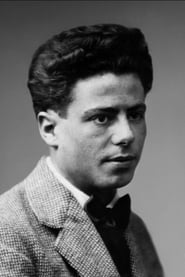
Jean Vigo
Director
Born: April 12, 1905 in Paris, France Died: October 5, 1934 Active: 1930-1934
Films
2 films
About Jean Vigo
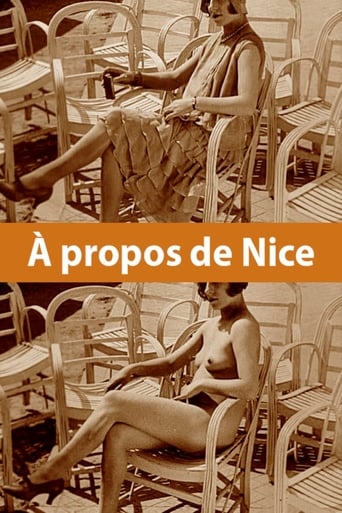
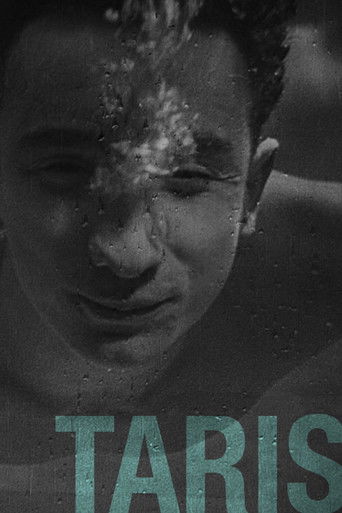
French film director: brief but brilliant career fundamentally influenced the course of cinema history. Born in 1905 to anarchist parents, Vigo's upbringing was marked by political radicalism and constant movement, as his father Miguel Almereyda was a prominent anarchist journalist who died in prison under mysterious circumstances. Vigo began his filmmaking career in 1930 with 'À propos de Nice,' a surrealist documentary that immediately established his innovative visual style and social consciousness. His subsequent works, including the swimming documentary 'Taris' (1931), the controversial school rebellion film 'Zéro de conduite' (1933), and his masterpiece 'L'Atalante' (1934), demonstrated his unique ability to blend poetic imagery with social critique. Despite suffering from tuberculosis throughout his adult life, Vigo worked feverishly to complete his films, often in extremely difficult conditions. His final film 'L'Atalante' was released shortly before his death at age 29, leaving behind a remarkably small but profoundly influential body of work that would inspire generations of filmmakers from the French New Wave to contemporary cinema.
The Craft
Behind the Camera
Jean Vigo's directing style was characterized by poetic realism, surrealistic imagery, and revolutionary social commentary. He pioneered techniques such as handheld camera work, jump cuts, and subjective point-of-view shots that were decades ahead of their time. His films blended documentary realism with lyrical, dreamlike sequences, creating a unique visual language that emphasized both the beauty and harshness of everyday life. Vigo's approach was deeply personal yet universally resonant, often focusing on themes of freedom, rebellion against authority, and the search for authentic human connection.
Milestones
- Directed 'À propos de Nice' (1930), his debut film
- Created 'Taris' (1931), an innovative documentary about champion swimmer Jean Taris
- Made 'Zéro de conduite' (1933), banned by French authorities until 1945
- Completed his masterpiece 'L'Atalante' (1934) shortly before death
- Posthumously influenced the French New Wave movement
- The Prix Jean Vigo was established in his honor in 1951
Best Known For
Must-See Films
Accolades
Won
- Posthumous recognition at Cannes Film Festival (1946) for 'L'Atalante' restoration
- Prix Jean Vigo established in his honor (1951)
Nominated
- None during lifetime - films were largely unrecognized until after his death
Special Recognition
- Prix Jean Vigo award named after him (1951)
- Cannes Classics restoration of 'L'Atalante' (1990)
- Multiple retrospectives at major film festivals worldwide
- Inclusion in Sight & Sound's Greatest Films of All Time poll
Working Relationships
Worked Often With
Studios
Why They Matter
Impact on Culture
Jean Vigo's impact on cinema is disproportionate to his tiny output of just four films. His work revolutionized film language through innovative techniques like handheld camerawork, jump cuts, and poetic editing that would become standard practice decades later. 'Zéro de conduite' became an anthem for youth rebellion, influencing everything from Lindsay Anderson's 'If.' to countless other films about institutional resistance. 'L'Atalante' established a new form of poetic realism that would profoundly influence both Italian neorealism and the French New Wave. The Prix Jean Vigo, established in his honor, has become one of France's most prestigious independent film awards, continuing his legacy of supporting innovative, personal cinema.
Lasting Legacy
Jean Vigo's legacy as cinema's great 'what if' continues to fascinate film historians and enthusiasts. His four surviving films are considered masterpieces that influenced virtually every major film movement of the 20th century, from Italian neorealism to the French New Wave. The annual Prix Jean Vigo award has honored directors including Alain Resnais, Chris Marker, and Jean-Luc Godard, creating a direct lineage from Vigo's revolutionary spirit to contemporary cinema. His films continue to be restored and studied worldwide, with 'L'Atalante' consistently ranking among the greatest films ever made in international polls. Vigo represents the ultimate romantic ideal of the pure artist who created timeless beauty despite poverty, illness, and political persecution.
Who They Inspired
Jean Vigo's influence extends far beyond his brief career, touching virtually every aspect of modern cinema. The French New Wave directors, particularly François Truffaut and Jean-Luc Godard, openly acknowledged Vigo as a primary inspiration for their rejection of studio filmmaking in favor of personal, experimental cinema. His innovative editing techniques and handheld camera work anticipated the documentary style that would become prevalent in the 1960s and beyond. Directors as diverse as Lindsay Anderson, Wim Wenders, and Jim Jarmusch have cited Vigo's blend of social commentary and poetic imagery as influential. His approach to depicting marginalized characters and institutional rebellion created a template for socially conscious art cinema that continues to resonate today.
Off Screen
Jean Vigo's life was marked by political persecution, illness, and artistic struggle. His father, anarchist journalist Eugène Bonaventure de Vigo (known as Miguel Almereyda), died in prison when Jean was 12, leaving the family in difficult circumstances. Vigo met his wife Lydou Lozinska in 1928, and she became his steadfast supporter and collaborator, appearing in some of his films. Throughout his adult life, Vigo battled tuberculosis, which ultimately claimed his life at age 29. Despite his poor health and limited resources, he maintained an intense dedication to his artistic vision, often working in extreme conditions to complete his films.
Education
Largely self-taught in filmmaking; attended various schools in France due to family's frequent moves; briefly studied at the Sorbonne but left due to illness and financial constraints
Family
- Lydou Lozinska (1928-1934)
Did You Know?
- Died at age 29, having completed only four films
- His father died in prison when Jean was 12, possibly murdered
- 'Zéro de conduite' was banned by French authorities for 12 years
- The Prix Jean Vigo award was created in 1951 to honor independent French cinema
- His daughter Luce Vigo became a prominent film preservationist
- 'L'Atalante' was originally heavily edited by producers against Vigo's wishes
- He worked with cinematographer Boris Kaufman, brother of famous filmmakers Dziga Vertov
- Vigo often filmed despite severe tuberculosis, sometimes coughing between takes
- His films were largely forgotten until rediscovered by French New Wave directors in the 1950s
- The character Jean Vigo in 'The Dreamers' (2003) is named in his honor
In Their Own Words
'Cinema is the truth 24 times per second'
I want to make films that are both beautiful and socially meaningful
The camera should be like a pen in the hand of a poet
Every film should be a revolution, even a small one
I would rather die than make a conventional film
Frequently Asked Questions
Who was Jean Vigo?
French on YTB.my. Despite his tiny output, he's considered one of cinema's most influential auteurs, known for innovative techniques and poetic social commentary.
What films is Jean Vigo best known for?
Titles linked here include L'Atalante (1934), Zéro de conduite (1933).
When was Jean Vigo born and when did he die?
Born April 12, 1905; died October 5, 1934.
What awards did Jean Vigo win?
Vigo received virtually no recognition during his lifetime, but posthumously, the prestigious Prix Jean Vigo was established in his honor in 1951 to recognize independent French cinema. His films have been retrospectively honored at major festivals and consistently rank among cinema's greatest works.
What was Jean Vigo's directing style?
Vigo's directing style combined poetic realism with surrealistic imagery and social criticism, techniques like handheld camerawork, jump cuts, and subjective point-of-view shots. His films blended documentary authenticity with lyrical, dreamlike sequences, creating a revolutionary visual language that influenced generations of filmmakers.