Frank Hurley
Director
Born: October 15, 1885 in Sydney, New South Wales, Australia Died: January 16, 1962 Active: 1911-1962 Birth Name: James Francis Hurley
Films
1 film
About Frank Hurley
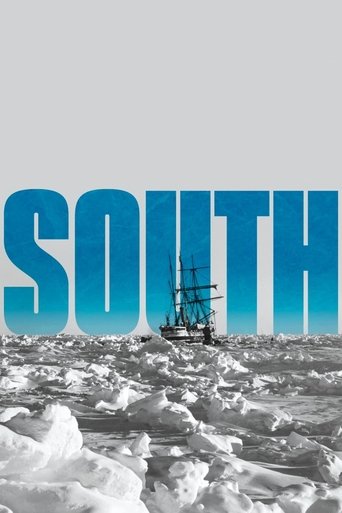
Frank Hurley — Australian photographer, cinematographer, and adventurer. Official photographer on Mawson's 1911 Antarctic expedition and Shackleton's Endurance voyage; he cut the footage into South (1919). He also documented World War I for Australian forces and spent decades filming remote regions into the 1950s.
The Craft
Behind the Camera
Frank Hurley's directing style was characterized by its raw authenticity and immersive approach to documentary filmmaking. He pioneered techniques that placed viewers directly in the midst of extreme environments, often risking his own safety to capture unprecedented footage. His work combined scientific documentation with dramatic storytelling, creating narratives that were both educational and emotionally compelling. Hurley was known for his innovative use of multiple cameras and his willingness to experiment with early color processes, particularly the Paget color plate system. His visual aesthetic emphasized the grandeur and danger of nature, using wide shots to capture the scale of landscapes while maintaining focus on human endurance and survival.
Milestones
- Official photographer on Australasian Antarctic Expedition (1911-1913)
- Cinematographer on Shackleton's Imperial Trans-Antarctic Expedition (1914-1917)
- Directed and produced 'South' (1919)
- Official war photographer during WWI
- Pioneered color photography techniques in the 1930s
- Completed over 40 documentary films throughout his career
Best Known For
Iconic Roles
Must-See Films
Accolades
Won
- Victorian Photographic Society Medal (1911)
- Royal Geographical Society's Gill Memorial Medal (1917)
- New York Film Critics Circle Award for Best Documentary (1933) - 'The Siege of the South'
Nominated
- Academy Award nomination for Best Cinematography (1933) - 'The Siege of the South'
Special Recognition
- Officer of the Order of the British Empire (OBE) for services to photography (1941)
- Fellow of the Royal Geographical Society
- Honorary Fellow of the Royal Photographic Society
- Inducted into the Australian Film Walk of Fame
- Antarctic place names: Hurley Glacier and Hurley Island named in his honor
Working Relationships
Worked Often With
Studios
Why They Matter
Impact on Culture
Frank Hurley's work fundamentally shaped how the world visualized polar exploration and extreme adventure. His photographs and films from the Shackleton expedition created an enduring visual narrative of human endurance against impossible odds, influencing generations of documentary filmmakers and adventure photographers. His war photography brought the reality of trench warfare to the Australian public in ways that had never been seen before, helping to shape national memory and understanding of WWI. Hurley's use of early color photography techniques and his innovative camera work influenced the development of documentary cinema as an art form. His images have become iconic representations of the Heroic Age of Antarctic Exploration and continue to be reproduced in books, exhibitions, and documentaries worldwide.
Lasting Legacy
Frank Hurley's legacy extends far beyond his technical achievements as a photographer and filmmaker. He is remembered as one of the greatest visual storytellers of the 20th century, whose work captured the human spirit's capacity for endurance and exploration. His extensive archive of photographs and films, now held by institutions including the Australian National Library and the Scott Polar Research Institute, continues to serve as an invaluable resource for historians, researchers, and artists. Hurley's approach to documentary filmmaking—combining scientific observation with dramatic narrative—became a template for future generations of documentary filmmakers. His name has become synonymous with adventure photography, and his techniques continue to be studied by photographers working in extreme conditions today.
Who They Inspired
Hurley influenced countless photographers and filmmakers through his innovative techniques and fearless approach to capturing images in extreme environments. His work with early color processes, particularly the Paget system, helped advance color photography technology. Documentary filmmakers including James Cameron and Werner Herzog have cited Hurley's polar films as inspirations for their own work in extreme environments. His influence can be seen in modern adventure photography and nature documentaries, particularly in the emphasis on placing human subjects within vast, dangerous landscapes to create dramatic visual narratives. The National Geographic Society and similar organizations have acknowledged Hurley's role in establishing visual exploration as a crucial component of scientific expeditions.
Off Screen
Frank Hurley married Antoinette Rosalind Leighton in 1918, and they had three children together: two daughters, Valerie and Adelie, and a son, Frank Jr. His family life was often strained by his extensive travels and dangerous expeditions, though his wife occasionally accompanied him on less hazardous journeys. Hurley was known for his restless spirit and inability to stay in one place for long, even in his later years. He maintained homes in Sydney and London but spent much of his life traveling to remote locations for his work. Despite the dangers he faced, Hurley lived to the age of 76, dying in his hometown of Sydney after a brief illness.
Education
Self-taught photographer; attended technical school in Sydney for basic education but learned photography through apprenticeship and experimentation
Family
- Antoinette Rosalind Leighton (1918-1962, his death)
Did You Know?
- Was one of the first photographers to use color photography in Antarctica
- Risked his life to save glass plate negatives from the sinking Endurance ship
- Famously staged some photographs during WWI, creating composite images to better capture the reality of battle
- Spent over two years in total on Antarctic expeditions
- His camera equipment weighed over 40kg and had to be carried across ice fields
- Survived being trapped in Antarctic ice for over a year with Shackleton's crew
- His film 'South' was considered lost for decades before being rediscovered and restored
- Was one of the first people to film and photograph indigenous tribes in Papua New Guinea
- His photographs have sold for over $100,000 at auction
- Continued working into his 70s, filming in the Australian outback
- His nickname among expedition members was 'The Photographer'
- Once climbed an active volcano to get better photographs
In Their Own Words
I have always believed that the camera is the most powerful instrument ever invented for recording the life and times of mankind.
Adventure is a state of mind, and the camera is my passport to the world's most extraordinary places.
In the frozen wastelands, I discovered that the human spirit is more resilient than the harshest nature.
A photograph must speak for itself, but it must also speak to the soul.
The greatest adventure is not in conquering nature, but in capturing its truth for others to see.
When the Endurance was crushed, I knew my real work had just begun - to preserve the memory of what we had endured.
Frequently Asked Questions
Who was Frank Hurley?
Australian photographer, cinematographer, and documentary filmmaker best known for his work documenting Antarctic expeditions, particularly Ernest Shackleton's Imperial Trans-Antarctic Expedition. He was also an official war photographer during WWI and created numerous documentary films throughout his career spanning over five decades.
What films is Frank Hurley best known for?
Titles linked here include South (1919), The Home of the Blizzard (1930).
When was Frank Hurley born and when did he die?
Born October 15, 1885; died January 16, 1962.
What awards did Frank Hurley win?
Hurley received numerous honors including the Victorian Photographic Society Medal (1911), the Royal Geographical Society's Gill Memorial Medal (1917), and was made an Officer of the Order of the British Empire (OBE) in 1941. He also received the New York Film Critics Circle Award for Best Documentary and was nominated for an Academy Award for cinematography.
What was Frank Hurley's directing style?
Hurley's directing style emphasized raw authenticity and immersive storytelling, often placing himself in extreme danger to capture unprecedented footage. He pioneered techniques combining scientific documentation with dramatic narrative, using innovative camera work and early color processes to create visually compelling documentaries that brought remote, dangerous environments to worldwide audiences.