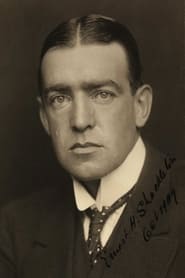
Ernest Shackleton
Actor
Born: February 15, 1874 in Kilkea, County Kildare, Ireland Died: January 5, 1922 Active: 1919-1919 (film appearance only) Birth Name: Ernest Henry Shackleton
Films
1 film
About Ernest Shackleton
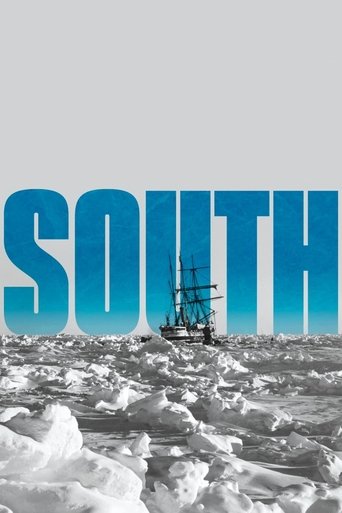
Ernest Shackleton was not an actor by profession but rather Antarctic explorers of the Heroic Age of Antarctic Exploration. Born in Ireland, he became a British merchant navy officer and led four expeditions to Antarctica, with his most famous being the Imperial Trans-Antarctic Expedition (1914-1917). The 1919 documentary film 'South' documented this ill-fated but remarkable expedition, showing actual footage of Shackleton and his crew. While he appeared in this documentary, he was not performing as an actor but rather being documented in his real role as expedition leader. His leadership during the disastrous expedition, where all 28 men survived despite their ship Endurance being crushed by ice, became. Shackleton died of a heart attack in 1922 during his final expedition to Antarctica. His appearance in 'South' represents his only film credit, making him unique 'actors' in cinema history - a real-life hero documented rather than performing.
The Craft
Milestones
- Led Imperial Trans-Antarctic Expedition (1914-1917)
- Documented in film 'South' (1919)
- Saved all 27 crew members during failed expedition
- Knighted in 1909 for his exploration achievements
- Led three other Antarctic expeditions prior to the Imperial Trans-Antarctic Expedition
Best Known For
Iconic Roles
Must-See Films
Accolades
Won
- Knighted by King Edward VII (1909)
- Royal Geographical Society's Special Gold Medal (1904)
- Royal Geographical Society's Patron's Medal (1907)
- Royal Scottish Geographical Society's Livingstone Medal (1910)
Special Recognition
- Multiple polar medals and geographic society honors
- Several geographic features named after him including Shackleton Ice Shelf
- Statues and memorials in various locations including London and Antarctica
Working Relationships
Worked Often With
Why They Matter
Impact on Culture
Ernest Shackleton's appearance in the 1919 documentary 'South' represents one of the earliest examples of documentary filmmaking capturing real-life heroes in action. The film, featuring actual footage from his expedition, helped establish the documentary genre and demonstrated cinema's power to document historical events. His leadership during the Imperial Trans-Antarctic Expedition became a case study in crisis management and leadership, studied by business schools and military academies worldwide. The film 'South' preserved authentic footage of early 20th-century exploration, providing invaluable historical documentation of polar exploration techniques and conditions.
Lasting Legacy
Shackleton's legacy extends far beyond his single film appearance. He is remembered as one of history's greatest leaders, particularly for his ability to keep his entire crew alive during impossible circumstances. The documentary 'South' ensures that future generations can witness the actual events and conditions of his famous expedition. His name has become synonymous with leadership under adversity, and numerous books, films, and documentaries have been made about his expeditions. The film footage in 'South' represents some of the earliest documentary evidence of Antarctic exploration and remains historically significant.
Who They Inspired
Shackleton's leadership style, documented in 'South' and other records, has influenced countless leaders in business, military, and exploration fields. The documentary format of 'South' influenced future expedition filmmaking and established a template for documenting real-life adventures. His ability to maintain morale and make difficult decisions under extreme conditions has been studied and emulated by leaders across various fields. The film itself influenced the development of documentary cinema as a medium for preserving historical events and human achievements.
Off Screen
Ernest Shackleton married Emily Dorman in 1904 and they had three children: Raymond, Cecily, and Edward. His marriage was often strained due to his long absences during expeditions. He was known for his charismatic leadership style and ability to maintain morale under extreme conditions. Despite his fame as an explorer, he struggled financially throughout much of his life and died heavily in debt. His family struggled after his death, though his legacy as an explorer continued to grow in subsequent decades.
Education
Dulwich College, London (attended but left at age 16 to join merchant navy)
Family
- Emily Dorman (1904-1922)
Did You Know?
- The film 'South' was directed by expedition photographer Frank Hurley
- Shackleton was not paid for his appearance in the documentary - he was the subject being documented
- The film includes actual footage of the Endurance being crushed by ice
- Shackleton's Imperial Trans-Antarctic Expedition failed in its goal but succeeded in bringing all 28 men home alive
- The documentary was one of the first to use actual expedition footage rather than reenactments
- Shackleton's leadership during the expedition has been called 'the greatest survival story in exploration history'
- The film was restored by the British Film Institute in the 1990s
- Shackleton died during his final expedition, the Shackleton-Rowett Expedition, just after arriving in South Georgia
- His grave in South Georgia is maintained by the South Georgia Museum and is a pilgrimage site for many
- The ship's cat from the Endurance, Mrs. Chippy, was also documented in the expedition records
In Their Own Words
Difficulties are just things to overcome, after all.
We had seen God in His splendors, heard the text that Nature renders. We had reached the naked soul of man.
If you're a leader, a fellow that other fellows look to, you've got to keep going.
Superhuman effort isn't worth a damn unless it achieves results.
No person contributed more to the exploration of Antarctica than Ernest Shackleton.
Frequently Asked Questions
Who was Ernest Shackleton?
Renowned Antarctic explorer, not an with credits in this catalog. He led four expeditions to Antarctica and became famous for his leadership during the Imperial Trans-Antarctic Expedition (1914-1917), which was documented in the 1919 film 'South'.
What films is Ernest Shackleton best known for?
Titles linked here include South (1919).
When was Ernest Shackleton born and when did he die?
Born February 15, 1874; died January 5, 1922.
What awards did Ernest Shackleton win?
Shackleton was knighted by King Edward VII in 1909 and received numerous honors from geographical societies, including the Royal Geographical Society's Special Gold Medal and Patron's Medal.
What was Ernest Shackleton's role in cinema?
Shackleton was not an actor but was the subject of the documentary 'South' (1919), which featured actual footage from his Antarctic expedition. The film represents early documentary filmmaking capturing real historical events.
Why is Ernest Shackleton considered important in history?
Shackleton is celebrated for his extraordinary leadership during the Imperial Trans-Antarctic Expedition, where he successfully saved all 27 crew members after their ship was destroyed by ice, making it one of history's greatest survival stories.