Frank Worsley
Actor
Born: January 22, 1872 in Christchurch, New Zealand Died: February 1, 1943 Active: 1914-1943 Birth Name: Frank Arthur Worsley
Films
1 film
About Frank Worsley
Frank Arthur Worsley — New Zealand-born sailor, explorer, and naval officer; captain of Shackleton's Endurance (1914–1917). His navigation kept all 28 expedition members alive after the ship was crushed by ice, including the open-boat run to South Georgia. He later served in World War I, wrote exploration classics such as Shackleton's Boat Journey, and appears in the 1919 documentary South.
The Craft
Milestones
- Captain of the Endurance during Shackleton's Imperial Trans-Antarctic Expedition (1914-1917)
- Successfully navigated the 800-mile open boat journey from Elephant Island to South Georgia
- Served with distinction in World War I, commanding torpedo boats and minesweepers
- Awarded the Service Order for wartime service
- Authored several books on polar exploration including 'Shackleton's Boat Journey'
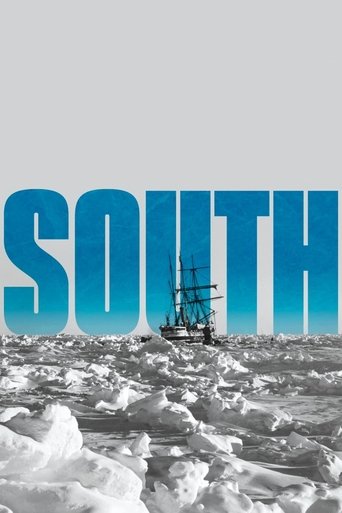
- Appeared in the documentary film 'South' (1919) depicting the expedition
- Participated in the Quest expedition following Shackleton's death
Best Known For
Iconic Roles
Must-See Films
Accolades
Won
- Service Order (DSO)
- Order of the British Empire (OBE)
- Polar Medal
Special Recognition
- Companion of the Order of the British Empire
- Multiple mentions in dispatches for wartime service
Working Relationships
Worked Often With
Why They Matter
Impact on Culture
Frank Worsley's contributions to polar exploration and survival techniques have had a lasting impact on maritime navigation and expedition planning. His remarkable navigation of the James Caird lifeboat across 800 miles of the world's most treacherous ocean is still studied by naval academies and sailing schools worldwide. The successful rescue of all expedition members under his and Shackleton's leadership became a benchmark for crisis management and leadership training programs. His writings have inspired countless explorers and adventurers, and his methods of celestial navigation in extreme conditions have influenced modern maritime practices. The documentary 'South' preserved his firsthand account for future generations, making him one of the earliest polar explorers to be captured on film.
Lasting Legacy
Frank Worsley's legacy endures as one of the greatest navigators and survival experts in exploration history. His name is permanently associated with. Several geographic features in Antarctica have been named in his honor, including Worsley Icefalls and Mount Worsley. His books remain essential reading for anyone studying polar exploration, and his navigation techniques are still referenced in maritime training. The Royal Geographical Society continues to recognize his contributions, and his personal artifacts are preserved in museums worldwide. His story exemplifies the qualities of leadership, resilience, and technical excellence that continue to inspire explorers and adventurers today.
Who They Inspired
Worsley's navigation methods and survival strategies have influenced generations of sailors and explorers. His ability to navigate by dead reckoning and celestial observation in the most extreme conditions demonstrated the importance of fundamental maritime skills. His leadership style, characterized by calm determination and technical expertise, has been studied in military and civilian leadership programs. Modern polar expeditions still reference his techniques for ice navigation and survival planning. His writings have influenced authors and filmmakers who continue to be fascinated by the Shackleton expedition, ensuring that his contributions to exploration history remain relevant to new audiences.
Off Screen
Frank Worsley married Theodora Blackwood in 1907, and their marriage lasted until her death in 1936. The couple had no children. Worsley was known for his modesty, humor, and exceptional leadership qualities. After his naval career, he lived in England and continued writing about his adventures until his death from cancer in 1943. His personal papers and journals have become invaluable resources for historians studying polar exploration.
Education
Christchurch Boys' High School, New Zealand; Maritime training in the British Merchant Navy
Family
- Theodora Blackwood (1907-1936)
Did You Know?
- Despite being the captain of the Endurance, Worsley had never been to Antarctica before the expedition
- He could navigate by the stars even when the sky was completely overcast using a technique called 'cloud navigation'
- During the boat journey to South Georgia, he navigated with only a sextant, chronometer, and almanac
- He was one of only three men to make the final crossing of South Georgia Island to reach the whaling station
- Worsley — accomplished writer who could write in both English and Norwegian
- He served under Shackleton in the North Russia Expeditionary Force during WWI
- His nickname among the expedition members was 'The Skipper'
- He was a talented musician who played the banjo during the long months on the ice
- Despite his fame as an explorer, he remained relatively modest about his achievements
- He was involved in the search for Shackleton's grave on South Georgia Island
In Their Own Words
'We had reached the naked soul of man.' - on the expedition's survival
'The navigation was the most difficult I have ever had to do, but we had to get there.' - on the boat journey
'Shackleton was a great leader, but he was also a great man to follow.'
'When you're in the Antarctic, you learn that nature is the boss and you just have to adapt.'
'The sea has its own laws, and you must obey them or perish.'
Frequently Asked Questions
Who was Frank Worsley?
New Zealand sailor, explorer, and naval officer best known as the captain of the Endurance during Sir Ernest Shackleton's Imperial Trans-Antarctic Expedition. His exceptional navigation skills were crucial in saving all 28 expedition members after their ship was crushed by Antarctic ice, leading to one of history's greatest survival stories.
What films is Frank Worsley best known for?
Titles linked here include South (1919).
When was Frank Worsley born and when did he die?
Born January 22, 1872; died February 1, 1943.
What awards did Frank Worsley win?
Worsley received several prestigious awards including the Service Order (DSO) for his wartime service in World War I, the Order of the British Empire (OBE), and the Polar Medal for his contributions to polar exploration. He also received multiple mentions in dispatches for his military service.
What was Frank Worsley's navigation style?
Worsley was renowned for his extraordinary navigation skills, particularly his ability to navigate by dead reckoning and celestial observation in the most extreme conditions. He could navigate accurately even when completely cloud-covered using subtle atmospheric clues, and his 800-mile open boat journey from Elephant Island to South Georgia is considered one of the greatest feats of navigation in maritime history.