Captain L. Hussey
Actor
Born: June 6, 1891 in Birmingham, England Died: February 25, 1964 Active: 1919-1919 Birth Name: Leonard Duncan Albert Hussey
Films
1 film
About Captain L. Hussey
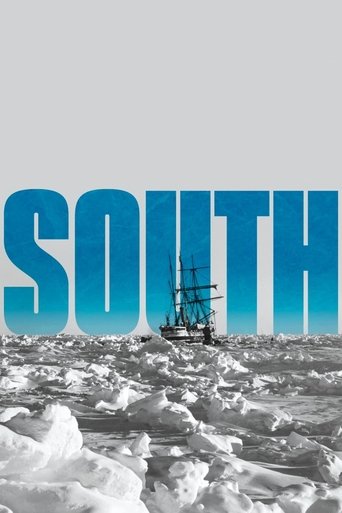
Captain Leonard Hussey — British explorer, meteorologist, and surgeon on Shackleton's Endurance expedition (1914–1917). He appears as himself in the 1919 documentary South, where his banjo playing helped sustain crew morale during the Antarctic ordeal.
The Craft
On Screen
Non-professional appearing as himself in documentary footage
Milestones
- Member of Shackleton's Imperial Trans-Antarctic Expedition (1914-1917)
- Appeared in documentary 'South' (1919)
- Served as meteorologist on the expedition
- Maintained crew morale with banjo music
- Survived the legendary Endurance ordeal
Best Known For
Iconic Roles
Must-See Films
Accolades
Special Recognition
- Polar Medal
- British War Medal
- Victory Medal
Working Relationships
Worked Often With
Why They Matter
Impact on Culture
Leonard Hussey's appearance in 'South' helped preserve one of the greatest survival stories in exploration history for future generations. His role in the expedition, particularly his musical contributions, became symbolic of the human spirit's resilience in extreme conditions. The documentary film itself became an important historical document of early polar exploration and has influenced countless subsequent documentaries and films about Antarctic adventures.
Lasting Legacy
Hussey's legacy is primarily as an explorer rather than an actor, but his participation in 'South' ensured that the Shackleton expedition's story would be visually documented. His banjo, which survived the entire ordeal, is now displayed at the National Maritime Museum in Greenwich, London. He represents the unsung heroes of exploration who contributed to scientific knowledge and human endurance under extreme conditions.
Who They Inspired
As a non-actor appearing in documentary film, Hussey influenced how real expedition members could authentically portray their experiences on screen. His example showed the value of having actual participants in documentary filmmaking, a practice that would become standard in expedition and adventure documentaries throughout the 20th century.
Off Screen
Leonard Hussey married Margaret 'Molly' Brown in 1923 and they had two children. He maintained a lifelong friendship with fellow expedition members and remained active in polar exploration communities. After his Antarctic adventures, he pursued medical studies and became a qualified doctor. He continued to serve in various capacities during World War II. Hussey remained a respected figure in exploration circles until his death in 1964.
Education
Studied meteorology, later qualified as a medical doctor
Family
- Margaret 'Molly' Brown (1923-1964)
Did You Know?
- His banjo was one of the few personal items saved from the sinking Endurance
- He was nicknamed 'The Professor' by fellow expedition members
- His banjo playing was credited with helping maintain crew morale during the darkest days
- After the expedition, he served as a medical officer in WWI
- He was the last surviving member of the Weddell Sea Party
- He participated in Shackleton's final expedition (Quest) in 1921-1922
- His meteorological observations from the expedition contributed valuable scientific data
- He maintained correspondence with other expedition members throughout his life
- He was present at Shackleton's funeral in South Georgia in 1922
- His diary entries from the expedition have been published and are valuable historical documents
In Their Own Words
The banjo kept us going when nothing else could
We were all scared, but we were scared together
Shackleton never showed fear, and that gave us strength
The cold was terrible, but the music helped us forget it for a while
Frequently Asked Questions
Who was Captain L. Hussey?
Captain Leonard Hussey — British explorer, meteorologist, and surgeon who was a member of Sir Ernest Shackleton's Imperial Trans-Antarctic Expedition. He appeared in the 1919 documentary 'South' as himself, documenting the real survival story of the Endurance expedition.
What films is Captain L. Hussey best known for?
Titles linked here include South (1919).
When was Captain L. Hussey born and when did he die?
Born June 6, 1891; died February 25, 1964.
What awards did Captain L. Hussey win?
Hussey received the Polar Medal for his contributions to polar exploration, along with the British War Medal and Victory Medal for his military service during World War I.
What was Captain L. Hussey's role in the Shackleton expedition?
Hussey served as the meteorologist on the Imperial Trans-Antarctic Expedition and was also trained as a surgeon. He became famous for playing his banjo to maintain crew morale during their harrowing survival ordeal.
How did Captain L. Hussey influence cinema?
As a real expedition member appearing in documentary film, Hussey helped establish the practice of authentic representation in expedition documentaries, showing the value of having actual participants share their experiences on screen.