Films
1 film
About Ying Zhang
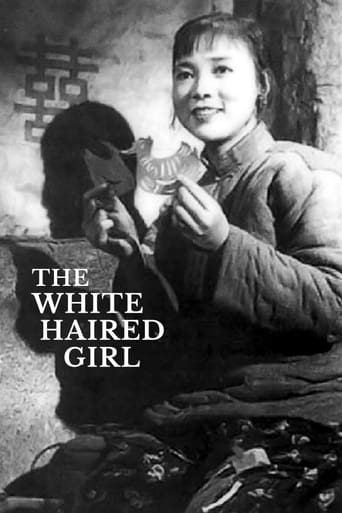
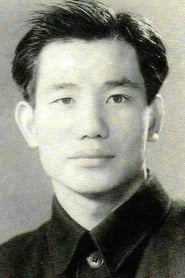
Ying Zhang was cast in significant 1951 film 'The White-Haired Girl,' works in early People's Republic of China cinema. The film, based on a revolutionary opera, was a landmark production that helped establish the aesthetic and ideological direction of Chinese cinema in the early communist era. While detailed biographical information about Ying Zhang remains limited in available historical records, their participation in this culturally significant film places them within an important moment in Chinese film history. Ying Zhang's career appears to have been brief, with records showing activity primarily around 1951, which was not uncommon for performers during this transitional period in Chinese cinema. Like many actors of their generation, they contributed to the development of socialist realist cinema that dominated Chinese filmmaking in the 1950s. The limited documentation of their career reflects broader challenges in preserving comprehensive records of Chinese film personnel from this era, particularly for those who may have had supporting or secondary roles.
The Craft
Milestones
- Appeared in 'The White-Haired Girl' (1951),
Best Known For
Iconic Roles
Must-See Films
Why They Matter
Impact on Culture
Ying Zhang's participation in 'The White-Haired Girl' (1951) connects them to. The film was instrumental in establishing the aesthetic and ideological foundations of cinema in the early People's Republic of China, promoting themes of class struggle and revolutionary transformation. The film's adaptation from a popular revolutionary opera into cinematic form represented an important moment in Chinese cultural history, bridging traditional performance forms with new cinematic techniques. By contributing to this landmark production, Ying Zhang became part of a collective effort to create a new socialist cinema that would serve both artistic and educational purposes in the new China.
Lasting Legacy
While Ying Zhang's individual legacy remains largely undocumented, their contribution to 'The White-Haired Girl' ensures their place in the broader history of Chinese cinema. The film itself has endured as a classic of Chinese socialist cinema, frequently studied and referenced in discussions of Chinese film history and cultural development. The actor's work represents the contributions of the many performers who helped establish Chinese cinema's post-1949 identity, even when their individual careers were brief or poorly documented. Their participation in this seminal work connects them to the broader narrative of how Chinese cinema evolved to serve the cultural and political needs of the new People's Republic.
Who They Inspired
Due to limited documentation of Ying Zhang's career and artistic approach, specific influences on other actors or directors cannot be definitively established. However, their work in 'The White-Haired Girl' contributed to the development of acting styles and performance techniques that would influence subsequent generations of Chinese actors working within the socialist realist tradition.
Off Screen
Limited biographical information is available about Ying Zhang's personal life, which reflects the broader challenge of documenting the lives of many Chinese film actors from this period, particularly those who may not have achieved star status.
Did You Know?
- 'The White-Haired Girl' (1951) was one of the first major film productions of the new People's Republic of China
- The film was adapted from a revolutionary opera that had been extremely popular since the 1940s
- The story of 'The White-Haired Girl' became one of the 'Eight Model Operas' promoted during the Cultural Revolution
- The film's themes of class struggle and revolutionary transformation were central to early PRC cinema
- Chinese cinema from this period often featured ensemble casts rather than emphasizing individual star performers
- Many actors from this era had backgrounds in traditional Chinese opera or theater before transitioning to film
- The limited documentation of actors like Ying Zhang reflects broader challenges in preserving Chinese film history from this period
Frequently Asked Questions
Who was Ying Zhang?
Screen credits include the 1951 film 'The White-Haired Girl,'. While detailed biographical information is limited, their participation in this culturally important film places them within a crucial period of Chinese cinema history.
What films is Ying Zhang best known for?
Titles linked here include The White-Haired Girl (1951).
When was Ying Zhang born and when did they die?
Specific birth and death dates for Ying Zhang are not available in existing historical records, which reflects the broader challenge of documenting comprehensive biographical information for many Chinese film actors from this period.
What awards did Ying Zhang win?
There are no documented awards or nominations for Ying Zhang in available records, which was not uncommon for many actors in Chinese cinema during this early period of the People's Republic.
What was Ying Zhang's acting style?
Specific details about Ying Zhang's acting style are not documented in available sources. However, actors in 'The White-Haired Girl' generally worked within the socialist realist tradition that characterized early PRC cinema, emphasizing clear characterization and ideological messaging.