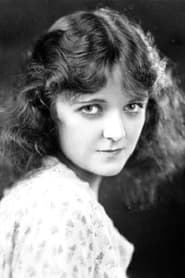
Jean Paige
Actor
Born: July 3, 1895 in Indianapolis, Indiana, USA Died: December 15, 1975 Active: 1924-1925
Films
2 films
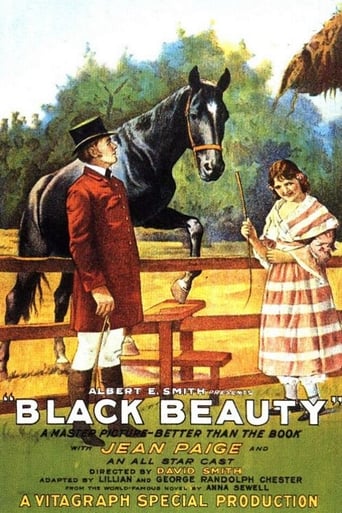
About Jean Paige
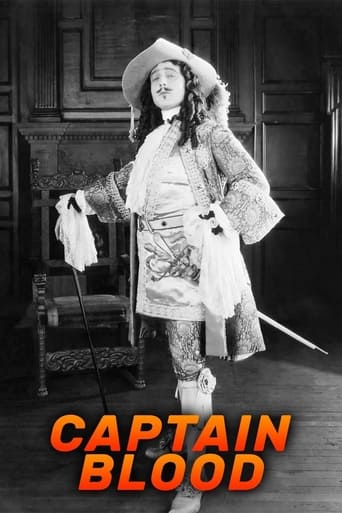
American actress who graced the silver screen during the silent film era of the 1920s. Born in Indianapolis, Indiana, she emerged as a promising talent during the mid-1920s, appearing in several films that showcased the dramatic style characteristic of silent cinema. Her most notable performance came in the 1924 silent adaptation of 'Captain Blood,' where she demonstrated the emotive facial expressions and physical acting techniques required by the medium. Like many actors of her generation, Paige's career was relatively brief and coincided with the transitional period before the advent of sound films. Her filmography, while limited, represents the typical trajectory of supporting actresses from the silent era who showed promise but never achieved major stardom. After her brief film career, she largely disappeared from public view, as was common for many silent era performers who couldn't or didn't transition to talkies. Her surviving work provides a window into the acting styles and film production values of mid-1920s Hollywood.
The Craft
On Screen
As a silent film actress, Jean Paige employed the exaggerated facial expressions and dramatic body language characteristic of the era. Her acting relied heavily on visual storytelling, using her eyes, gestures, and physical presence to convey emotions that would later be expressed through dialogue. Like many silent performers, she had to master the art of pantomime and emotional projection without the benefit of spoken words, requiring a different set of skills than those used by later sound actors.
Milestones
- Starred in the 1924 silent film adaptation of Captain Blood
- Appeared in several silent films during the mid-1920s
- Represented the typical silent era supporting actress
- Worked during the transitional period before sound cinema
Best Known For
Iconic Roles
Must-See Films
Why They Matter
Impact on Culture
Jean Paige's cultural impact was limited to her contributions to silent cinema during the mid-1920s. Her work in 'Captain Blood' (1924) represents an early film adaptation of what would become a classic adventure story, predating the more famous 1935 sound version starring Errol Flynn. While not a major star, her performances contribute to the historical record of silent era filmmaking and help document the acting styles and production values of the period. Her career trajectory also exemplifies the challenges faced by many silent era actors who could not or did not transition to sound films.
Lasting Legacy
Jean Paige's legacy lies primarily in her surviving film work, particularly her role in the 1924 version of 'Captain Blood.' She represents the countless supporting actors and actresses who populated Hollywood during the silent era but whose names have faded from popular memory. Her brief career serves as a reminder of the transient nature of fame in early Hollywood and the many performers who contributed to cinema's development without achieving lasting stardom. Her films remain valuable artifacts for film historians and silent cinema enthusiasts studying the evolution of acting styles and film production techniques.
Who They Inspired
There is no documented evidence that Jean Paige directly influenced other actors or filmmakers. As a supporting actress with a brief career during the silent era, her influence would have been limited to her immediate film projects and collaborators. Her work, however, contributes to the broader understanding of silent era acting techniques and the types of performances that were valued during that period in cinema history.
Off Screen
Jean Paige led a relatively private life outside of her brief film career. Born and raised in Indianapolis, she moved to Hollywood to pursue acting opportunities during the silent film boom. After her film career ended in the mid-1920s, she largely retreated from public life. She lived for several decades after her acting career concluded, maintaining a low profile typical of many former silent era performers who returned to private life after their time in the spotlight ended.
Did You Know?
- The 1924 'Captain Blood' she appeared in was an early silent adaptation, not the more famous 1935 sound version
- Like many silent era actors, her career was brief and concentrated in the mid-1920s
- She was born in Indiana, not typically associated with early Hollywood actors
- Her career ended before the major transition to sound films in the late 1920s
- She lived for 50 years after her film career concluded
- Her birth name was the same as her stage name
- She represents the typical journey of many supporting silent film actresses
Frequently Asked Questions
Who was Jean Paige?
American actress who worked during the silent film era in the 1920s, best known for her role in the 1924 silent adaptation of Captain Blood. She had a brief but notable career during the mid-1920s before largely disappearing from public view as the film industry transitioned to sound.
What films is Jean Paige best known for?
Titles linked here include Captain Blood (1924).
When was Jean Paige born and when did she die?
Born July 3, 1895; died December 15, 1975.
What awards did Jean Paige win?
There are no documented awards or nominations for Jean Paige. As a supporting actress during the silent era with a brief career, she did not receive the major industry recognition that some of her more famous contemporaries achieved.
What was Jean Paige's acting style?
Jean Paige's acting style was typical of silent era performers, relying on exaggerated facial expressions, dramatic gestures, and physical acting to convey emotions without dialogue. Her performances emphasized visual storytelling through pantomime and emotional projection, skills essential for success in silent cinema.