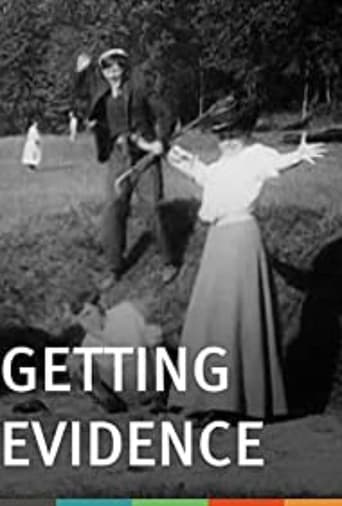
Fay Templeton
Actor
Born: December 25, 1865 in Richmond, Virginia, USA Died: October 3, 1939 Active: 1873-1925 Birth Name: Mary Alice Templeton
Films
1 film
About Fay Templeton
Fay Templeton was born Mary Alice Templeton on December 25, 1865, in Richmond, Virginia, into a theatrical family. She began her career as a child performer, making her stage debut at age 8 in her father's traveling theater company. Templeton rose to prominence in the 1880s and 1890s as one of America's most celebrated musical comedy stars, particularly known for her work with producer Tony Pastor and at New York's prestigious Casino Theatre. Her stage over four decades, during which she starred in numerous hit productions including 'The Merry Monarch' and 'The Belle of New York.' In 1906, she ventured into the new medium of cinema, appearing in 'Getting Evidence,' one of her few film appearances during the early silent era. Templeton continued her stage career well into the 20th century, adapting to changing theatrical tastes and mentoring younger performers. She retired from performing in the 1920s but remained a respected figure in theatrical circles until her death in 1939, leaving behind a legacy as one of the women of American musical theater.
The Craft
On Screen
Known for her clear diction, strong singing voice, and comedic timing, Templeton excelled in the musical comedy form popular in the late 19th century. Her stage presence was described as both elegant and approachable, allowing her to connect with audiences across social classes. She specialized in the 'soubrette' roles that required both vocal prowess and comedic skill, often playing witty, charming characters who could deliver both songs and dialogue with equal facility.
Milestones
- Stage debut at age 8 in father's theater company
- Star performer at Tony Pastor's Theatre (1880s)
- Leading lady at New York's Casino Theatre (1890s)
- Starred in 'The Merry Monarch' (1890)
- Appeared in 'Getting Evidence' (1906), one of her few film roles
- Successful transition from child star to adult leading lady
- Mentored younger performers in her later years
Best Known For
Iconic Roles
Must-See Films
Accolades
Special Recognition
- Inducted into the American Theatre Hall of Fame
- Recognized as a pioneer of American musical theater
Working Relationships
Worked Often With
Studios
Why They Matter
Impact on Culture
Fay Templeton played a significant role in the development of American musical theater during its formative years. As one of the first native-born American women to achieve stardom in musical comedy, she helped establish the genre as a distinctly American art form. Her success demonstrated that American performers could compete with European stars in the musical theater world, paving the way for future generations of American musical theater performers. Templeton's active years covered the transition from minstrel shows and variety entertainment to more sophisticated musical comedy, reflecting and contributing to the evolution of American popular entertainment.
Lasting Legacy
Fay Templeton's legacy lies in her role as one of America's first great musical comedy stars. She helped establish the template for the American female musical theater performer, combining vocal talent with comedic skill and stage presence. Her successful career demonstrated the viability of musical theater as a serious art form in America, influencing countless performers who followed. Templeton's brief foray into early cinema represents an important historical link between stage and screen entertainment, documenting the career transition of many stage performers during the birth of the film industry.
Who They Inspired
Templeton influenced generations of musical theater performers through her work in establishing the American musical comedy tradition. Her success showed that American performers could achieve stardom without European training or credentials, encouraging the development of a distinctly American theatrical style. Many performers who followed, including early film stars who transitioned from the stage, benefited from the path she helped create. Her mentorship of younger performers in her later years extended her influence well beyond her own performing career.
Off Screen
Fay Templeton married three times during her lifetime. Her first marriage was to actor William B. Curtis in 1884, which ended in divorce. She later married businessman William H. Moore in 1898, and after his death, married Dr. William L. Babcock in 1920. Templeton had no children but was known for her close relationships with fellow performers and her role as a mentor to younger actors in the theatrical community.
Education
Educated primarily through practical experience in her father's traveling theater company, receiving formal education intermittently between performances
Family
- William B. Curtis (1884-1890)
- William H. Moore (1898-1917)
- William L. Babcock (1920-1939)
Did You Know?
- Made her stage debut at age 8 playing a boy in 'The Little Barefoot'
- Her stage name 'Fay' was reportedly suggested by Tony Pastor
- Was one of the highest-paid performers of her era, earning up to $500 per week
- Her father, John Templeton, was a well-known theater manager and actor
- Appeared in only one film despite offers from early movie studios
- Was known for her elaborate costume changes, sometimes having up to 10 costumes per show
- Performed for President Theodore Roosevelt at the White House
- Was a founding member of the Actors' Equity Association
- Her voice was described as having 'crystal clarity' and exceptional range
- Retired from performing at age 60 but continued to teach and mentor young performers
In Their Own Words
The stage is not merely a place of entertainment, but a temple of art where we offer our talents to the public.
In musical comedy, one must be able to sing, act, and dance - but most importantly, one must connect with the audience's heart.
The transition from stage to screen requires not just new techniques, but a new understanding of intimacy in performance.
Frequently Asked Questions
Who was Fay Templeton?
American stage actress and singer who became. She began performing as a child and rose to fame through her work in vaudeville and musical theater, particularly at New York's Casino Theatre.
What films is Fay Templeton best known for?
Titles linked here include Getting Evidence (1906).
When was Fay Templeton born and when did she die?
Born December 25, 1865; died October 3, 1939.
What awards did Fay Templeton win?
While formal awards were not common during Templeton's era, she was posthumously inducted into the American Theatre Hall of Fame in recognition of her contributions to American musical theater.
What was Fay Templeton's acting style?
Templeton was known for her clear diction, strong singing voice, and exceptional comedic timing. She specialized in soubrette roles that required both vocal prowess and comedic skill, often playing witty, charming characters in musical comedies.
Why did Fay Templeton appear in only one film?
Templeton was primarily a stage performer who had achieved tremendous success in musical theater. At the time of her film appearance in 1906, cinema was still considered a lesser art form, and most established stage actors were hesitant to transition to the new medium.
What was Fay Templeton's legacy in American theater?
Templeton's legacy lies in her role as one of America's first great musical comedy stars, helping establish musical theater as a distinctly American art form and paving the way for future generations of American performers.