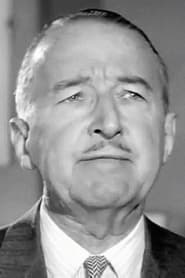
Hal Taggart
Actor
Born: July 1, 1889 in Salt Lake City, Utah, USA Died: January 26, 1966 Active: 1936-1962 Birth Name: Halbert Taggart
Films
1 film
About Hal Taggart
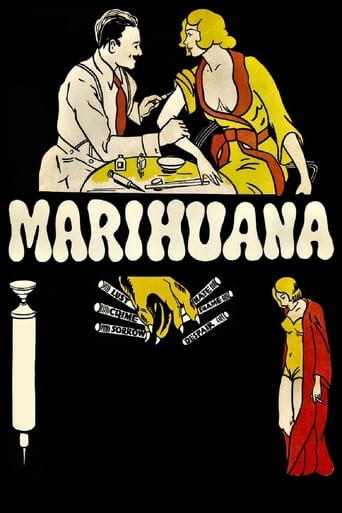
Prolific American character actor: over three decades during the Golden Age of Hollywood, though he often worked in uncredited roles that bolstered the realism of studio productions. Born in Utah at the turn of the century, he transitioned into the film industry during the mid-1930s, quickly becoming a reliable fixture in both major studio features and independent 'Poverty Row' productions. He is perhaps most recognized by cult cinema enthusiasts for his role as the father, Mr. Roberts, in the 1936 exploitation classic 'Marihuana', a film intended to warn youth about the dangers of drug use. Throughout the 1940s and 1950s, Taggart appeared in dozens of films across various genres, including Westerns, Film Noir, and musical comedies, often portraying professional figures such as doctors, clerks, or jury members. His ability to blend into the background of a scene while maintaining a professional screen presence made him a favorite of casting directors at major studios like Metro-Goldwyn-Mayer and Columbia Pictures. Even as the studio system evolved, Taggart remained active, eventually transitioning into early television guest spots before retiring from the screen in the early 1960s.
The Craft
On Screen
Taggart — quintessential 'utilitarian' actor, specializing in naturalistic, understated performances that did not distract from the primary stars. He possessed a dignified, middle-class appearance that allowed him to be cast frequently as authority figures, fathers, or white-collar professionals. His technique relied on precise timing and the ability to deliver expositional dialogue convincingly, a trait highly valued in the fast-paced production schedules of the 1930s and 40s.
Milestones
- Featured role in the notorious exploitation film 'Marihuana' (1936)
- Appeared in the Academy Award-winning 'The Best Years of Our Lives' (1946)
- Consistent work as a background and bit-part actor in over 100 Hollywood productions
- Transitioned successfully from the studio system era to early television guest appearances
- Maintained a steady career during the peak of the Film Noir era, appearing in titles like 'The Big Heat'
Best Known For
Iconic Roles
Must-See Films
Accolades
Special Recognition
- Recognized in various character actor retrospectives for his contribution to the 'Golden Age' atmosphere
Working Relationships
Worked Often With
Studios
Why They Matter
Impact on Culture
Hal Taggart represents the 'everyman' of the Golden Age of Hollywood—the essential character actor whose presence provided the necessary texture for cinematic realism. While he rarely received top billing, his participation in 'Marihuana' (1936) connects him to the fascinating history of exploitation cinema and the 'Pre-Code' style of sensationalist filmmaking that persisted into the mid-30s. His career serves as a case study for the longevity possible for character actors within the traditional studio contract system.
Lasting Legacy
Taggart's legacy is preserved in the hundreds of frames of classic cinema where he appears alongside legends like Gary Cooper and Glenn Ford. He is a vital part of the filmic record that documents the evolution of American social archetypes on screen. For film historians, Taggart is a prime example of the 'working actor' who sustained a decades-long career through versatility and reliability rather than celebrity status.
Who They Inspired
He influenced the standard for 'bit-part' excellence, demonstrating that small roles require as much discipline and focus as leading turns to maintain the illusion of the film's world.
Off Screen
Hal Taggart lived a relatively quiet life outside of the Hollywood limelight, residing primarily in the Los Angeles area during his active years. He was known among his peers as a reliable professional who was deeply involved in the Screen Actors Guild during its formative years. He was married and maintained a close-knit circle of friends within the community of character actors who formed the backbone of the studio system.
Education
Educated in the public school system in Utah; received early theatrical training in regional stock theater companies.
Family
- Information not publicly documented
Did You Know?
- Taggart appeared in 'The Best Years of Our Lives', which won the Oscar for Best Picture.
- He was a frequent uncredited player in the 'Dr. Kildare' film series.
- Despite his long career, he is often most searched for today due to the cult status of the 'anti-drug' film 'Marihuana'.
- He stood approximately 5'10" and was often praised for his '' look.
- He appeared in several Westerns, often playing the town doctor or a concerned citizen.
- His active years covered the transition from early talkies to the rise of the television sitcom.
- He died in Los Angeles, California, at the age of 76.
In Their Own Words
In the context of 'Marihuana' (1936): 'I don't know what's come over the youth of today.' (Reflecting the moralistic tone of the film's script).
Frequently Asked Questions
Who was Hal Taggart?
Prolific American character He appeared in over 100 films, often in uncredited or supporting roles as professional figures.
What films is Hal Taggart best known for?
Titles linked here include Marihuana (1936), The Best Years of Our Lives (1946).
When was Hal Taggart born and when did he die?
Born July 1, 1889; died January 26, 1966.
What awards did Hal Taggart win?
As a character actor who specialized in small, often uncredited roles, Taggart did not win major individual acting awards, though he appeared in several Academy Award-winning films.
What was Hal Taggart's acting style?
He was known for a naturalistic and professional style, often portraying authority figures with a sense of dignity and realism that complemented the lead actors.