Francis Picabia
Actor
Born: January 22, 1879 in Paris, France Died: November 30, 1953 Active: 1905-1953 Birth Name: Francis-Marie Martinez Picabia
Films
1 film
About Francis Picabia
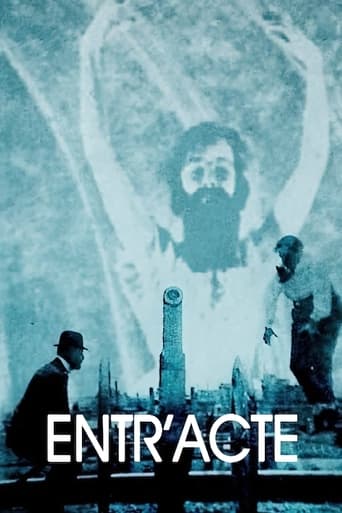
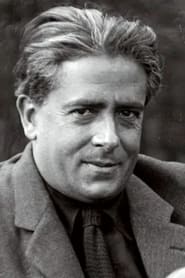
French artist, writer, and filmmaker: multiple avant-garde movements of the early 20th century. Born into a wealthy Franco-Cuban family in Paris, Picabia initially studied at the École des Arts Décoratifs and emerged as a successful Impressionist painter before radically evolving his style. He became a central figure in the Dada movement, creating provocative works that challenged conventional artistic boundaries and rationality. His artistic journey took him through Cubism, Orphism, and eventually Surrealism, with each phase demonstrating his relentless experimentation and rejection of artistic permanence. In 1924, Picabia made his notable contribution to cinema by appearing in René Clair's avant-garde film 'Entr'acte,' which he also helped conceptualize alongside Erik Satie for the Ballets Russes. Throughout his career, Picabia published numerous literary works and manifestos, establishing himself as both a visual and literary provocateur. His later years saw a return to more figurative painting, though never abandoning his spirit of innovation and rebellion against artistic conventions.
The Craft
On Screen
Picabia's appearance in 'Entr'acte' exemplified the Dadaist rejection of conventional performance, embracing absurdity and spontaneity. His on-screen presence was deliberately anti-theatrical, embodying the Dada ethos of challenging artistic norms through unconventional behavior and gestures.
Milestones
- Early success as Impressionist painter (1905-1910)
- role in Dada movement (1917-1924)
- Publication of Dada journal '391' (1917-1924)
- Appearance in avant-garde film 'Entr'acte' (1924)
- Transition to Surrealism (1920s-1930s)
- Return to figurative painting (1940s-1953)
Best Known For
Iconic Roles
Must-See Films
Accolades
Special Recognition
- Retrospective exhibitions at major museums including Centre Pompidou (Paris) and MoMA (New York)
- Recognized as foundational figure in Dada and Surrealist movements
Working Relationships
Worked Often With
Studios
Why They Matter
Impact on Culture
Francis Picabia's contribution to cinema, though limited to a single appearance, represents a crucial moment in avant-garde film history. 'Entr'acte' stands as a landmark work that challenged conventional narrative cinema and influenced experimental filmmakers for decades. Picabia's involvement exemplified the Dadaist approach to art as anti-art, using the medium of film to disrupt expectations and provoke audiences. His broader artistic career fundamentally shaped 20th-century modernism, with his rejection of artistic permanence and embrace of contradiction anticipating postmodern approaches to art. Picabia's work bridged visual arts, literature, and performance, demonstrating the interdisciplinary nature of avant-garde movements.
Lasting Legacy
Francis Picabia's legacy endures as. While primarily remembered as a painter, his brief but significant contribution to cinema through 'Entr'acte' secured his place in film history as a pioneer of experimental filmmaking. His constant reinvention and refusal to be categorized influenced subsequent generations of artists who valued artistic freedom and experimentation. Major museums continue to celebrate his work through retrospectives, and his writings remain essential texts for understanding Dada and Surrealist movements. Picabia's spirit of rebellion and innovation continues to inspire contemporary artists working across multiple media.
Who They Inspired
Picabia's influence extends far beyond his single film appearance, impacting conceptual art, performance art, and experimental cinema. His Dadaist approach to challenging artistic conventions paved the way for future avant-garde filmmakers including Luis Buñuel, Jean Cocteau, and Stan Brakhage. His interdisciplinary approach influenced artists who work across multiple media, from Andy Warhol to contemporary multimedia artists. The spirit of 'Entr'acte' can be seen in music videos, experimental films, and performance art that embrace absurdity and reject traditional narrative structures.
Off Screen
Francis Picabia led a colorful and often controversial personal life marked by multiple marriages, extravagant spending, and artistic eccentricity. His wealth allowed him to maintain a lavish lifestyle and patronize other artists, though he squandered much of his fortune. He was known for his provocative behavior and rejection of bourgeois values, which extended beyond his art into his personal conduct. Picabia's later years were marked by declining health and financial difficulties, though he continued creating until his death.
Education
École des Arts Décoratifs, Paris; École du Louvre, Paris (briefly attended)
Family
- Gabrielle Buffet (1903-1930)
- Olga Mohapatra (1930-1940)
- Germaine Everling (1940-1949)
- Mona Goya (1949-1953)
Did You Know?
- Entr'acte was originally created as an intermission piece for the Ballets Russes production 'Relâche'
- The film was shot in just three days and runs approximately 20 minutes
- Picabia appears in the film alongside other Dadaists including Marcel Duchamp and Man Ray
- The famous scene of a cannon firing at the audience was considered shocking in 1924
- Picabia financed the film himself as part of his broader artistic patronage
- The film's score by Erik Satie was one of the first compositions created specifically for a film
- Entr'acte was banned in several countries for its subversive content
- Picabia's involvement in cinema was brief but influential, representing his commitment to all forms of artistic experimentation
- The film features no coherent narrative, embodying Dadaist principles
- Picabia's artistic motto was 'The head is the head of a head, the head of a cabbage, the head of a radish'
In Their Own Words
If you want to have clean ideas, change them as often as you change your shirts.
The world is divided into two categories: those who have a weapon and those who dig. Those who dig are the majority.
Art is a fruit that grows in man, like a fruit on a plant, or a child in its mother's womb.
I don't believe in art. I believe in artists.
One must be a living man and a posthumous artist.
Frequently Asked Questions
Who was Francis Picabia?
French avant-garde artist, writer, and filmmaker associated with Dada and Surrealist movements. While primarily known as a painter, he made a significant contribution to cinema by appearing in the experimental film 'Entr'acte' (1924), which exemplified his commitment to challenging artistic conventions across all media.
What films is Francis Picabia best known for?
Titles linked here include Entr'acte (1924).
When was Francis Picabia born and when did he die?
Born January 22, 1879; died November 30, 1953.
What awards did Francis Picabia win?
Francis Picabia did not receive traditional film awards during his lifetime, as his work was too experimental for mainstream recognition. However, he has been posthumously honored with major retrospective exhibitions at prestigious institutions including the Centre Pompidou in Paris and the Museum of Modern Art in New York.
What was Francis Picabia's artistic style?
Picabia's artistic style was characterized by constant evolution and rebellion against permanence. He moved through Impressionism, Cubism, Dadaism, and Surrealism, never committing to a single approach. His brief film work in 'Entr'acte' embodied Dadaist principles through its rejection of narrative logic and embrace of absurdity.