Yvette Guilbert
Actor
Born: January 20, 1865 in Paris, France Died: February 3, 1944 Active: 1885-1944 Birth Name: Emma Laure Esther Guilbert
Films
1 film
About Yvette Guilbert
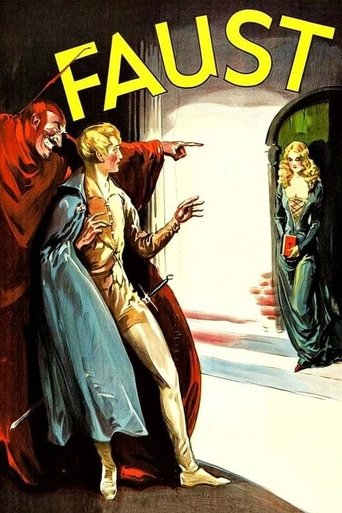
French cabaret singer, actress, and entertainer who rose to international fame during the Belle Époque era. Born Emma Laure Esther Guilbert, she began her career in small Parisian cafés before being discovered by Aristide Bruant, who helped launch her at the famous Le Chat Noir cabaret. Her distinctive performance style, featuring long black gloves, a yellow dress, and dramatic facial expressions, made her an instant sensation at the Moulin Rouge and other prestigious venues. Guilbert was immortalized in numerous paintings and posters by Henri de Toulouse-Lautrec, who was fascinated by her unique stage presence and gaunt, striking features. After her singing career peaked in the 1890s, she transitioned into acting and appeared in several films, most notably F.W. Murnau's 1926 masterpiece 'Faust.' She continued performing well into her later years, becoming a respected teacher of performance and publishing her memoirs. Guilbert's influence on performance art and popular culture extended far beyond her native France, making her entertainers of the early 20th century.
The Craft
On Screen
Guilbert's acting style was characterized by exaggerated theatrical gestures and dramatic facial expressions, reflecting her cabaret background. She brought a unique blend of melodrama and authenticity to her film roles, using her distinctive gaunt features and intense gaze to convey complex emotions. Her performance technique emphasized physical expressiveness over subtlety, which was well-suited to the silent film medium.
Milestones
- Discovered by Aristide Bruant and launched at Le Chat Noir (1888)
- Became star attraction at Moulin Rouge (1890s)
- Immortalized in Toulouse-Lautrec's paintings and posters
- Published autobiography 'La Chanson de ma vie' (1902)
- Appeared in F.W. Murnau's Faust (1926)
- Became performance teacher in later years
- Received Legion of Honour for cultural contributions
Best Known For
Iconic Roles
Must-See Films
Accolades
Won
- Legion of Honour (Chevalier) for cultural contributions to France
Special Recognition
- Subject of numerous Toulouse-Lautrec artworks
- Inducted into French Song Hall of Fame
- Featured on French postage stamps
- Streets named after her in Paris and other French cities
Working Relationships
Worked Often With
Studios
Why They Matter
Impact on Culture
Yvette Guilbert revolutionized the art of cabaret performance and popular entertainment in late 19th and early 20th century France. Her distinctive style—combining provocative lyrics, dramatic gestures, and a unique visual aesthetic—helped define the Belle Époque entertainment scene. Through her collaboration with Toulouse-Lautrec, she became an iconic symbol of Parisian nightlife, her image representing the decadence and artistic freedom of the era. Guilbert's approach to performance influenced countless entertainers who followed, establishing new standards for stage presence and audience engagement. Her success as a woman in the male-dominated entertainment industry paved the way for future generations of female performers.
Lasting Legacy
Yvette Guilbert's legacy endures as. Her recordings and performances helped preserve and popularize French chanson tradition, while her film appearances, particularly in 'Faust,' demonstrated her versatility as an artist. The numerous artistic depictions of her, especially by Toulouse-Lautrec, have made her face. Modern cabaret and burlesque performers continue to draw inspiration from her innovative style and theatrical approach. Her autobiography remains an important historical document about the entertainment world of her time.
Who They Inspired
Guilbert influenced generations of performers through her approach to cabaret entertainment. Her dramatic style and distinctive visual presentation inspired later cabaret artists like Marlene Dietrich and Josephine Baker. The way she combined music, theater, and visual art influenced the development of modern performance art. Contemporary cabaret and burlesque performers often cite Guilbert as a major influence, particularly her use of costume, gesture, and audience engagement. Her success demonstrated the commercial viability of sophisticated entertainment for mass audiences, influencing the development of modern popular music and theater.
Off Screen
Yvette Guilbert led a colorful personal life marked by artistic passion and romantic affairs. She never married but had several significant relationships with prominent artists and intellectuals of her time. She maintained close friendships with figures like Oscar Wilde and Sarah Bernhardt. Guilbert was known for her sharp wit and intellectual pursuits, often hosting salons that brought together the artistic elite of Paris. She devoted her later years to teaching performance techniques to young artists and writing about her experiences in the entertainment world.
Education
Self-taught performer, received informal training from various mentors in the Parisian entertainment scene, particularly Aristide Bruant who coached her in performance technique and stage presence
Did You Know?
- Her nickname was 'La Diseuse' (The Storyteller) due to her narrative singing style
- Toulouse-Lautrec created over 30 paintings and numerous posters featuring her image
- She performed for Queen Victoria at Windsor Castle in 1897
- Mark Twain was among her international admirers and attended her performances
- She was one of the first entertainers to use recorded music commercially
- Her distinctive long black gloves became her trademark and were widely imitated
- She spoke fluent English and performed extensively in London and New York
- During World War I, she performed for wounded soldiers in military hospitals
- Her voice was described as 'thin but penetrating' and perfectly suited to her dramatic style
- She was one of the few performers to successfully transition from cabaret to legitimate theater and film
In Their Own Words
I do not sing songs, I live them. Each performance is a complete emotional journey.
The stage is not a place to hide, but a place to reveal everything that makes us human.
Success in entertainment is not about pleasing everyone, but about being unforgettable to someone.
I learned that the most powerful instrument is not the voice, but the silence between the notes.
To be an artist is to be both the mirror and the lamp—reflecting life while illuminating its possibilities.
Frequently Asked Questions
Who was Yvette Guilbert?
Legendary French cabaret singer, actress, and entertainer who rose to international fame during the Belle Époque era. She was known for her distinctive performance style at the Moulin Rouge and was immortalized in numerous artworks by Toulouse-Lautrec.
What films is Yvette Guilbert best known for?
Titles linked here include Faust (1926), L'Enfant de Paris (1913).
When was Yvette Guilbert born and when did she die?
Born January 20, 1865; died February 3, 1944.
What awards did Yvette Guilbert win?
Guilbert was awarded the Legion of Honour (Chevalier) by the French government for her significant cultural contributions. She also received numerous honors including being featured on French postage stamps and having streets named after her in various French cities.
What was Yvette Guilbert's performance style?
Guilbert's performance style was characterized by dramatic gestures, exaggerated facial expressions, and a distinctive visual aesthetic featuring long black gloves and a yellow dress. Her singing voice was thin but penetrating, perfectly suited to her narrative approach to songs that told complete stories.
How did Yvette Guilbert influence popular culture?
Guilbert revolutionized cabaret performance and became an iconic symbol of Parisian nightlife through her collaboration with Toulouse-Lautrec. She influenced generations of performers and helped establish standards for modern entertainment, demonstrating the commercial viability of sophisticated artistic performance for mass audiences.