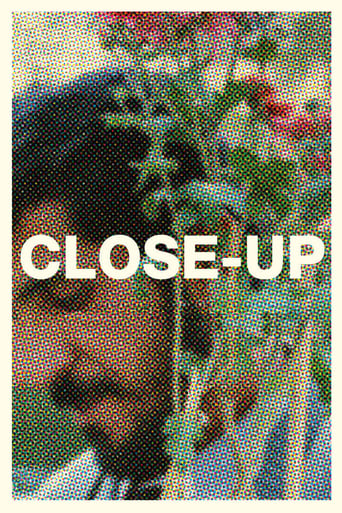
Films
1 film
About Mahrokh Ahankhah
Iranian woman who gained recognition through her participation in Abbas Kiarostami's film 'Close-Up' (1990). She was not a professional actress but rather one of the real-life participants in the incident that the film documents - she was a member of the Ahankhah family who were deceived by Hossain Sabzian, a man impersonating famous Iranian director Mohsen Makhmalbaf. In Kiarostami's innovative film, Mahrokh and her family members played themselves, reenacting the actual events that had occurred when Sabzian convinced them he would make a film starring them. Her performance in the film was notable for its authenticity and naturalism, as she was essentially playing herself in a dramatized version of real events. The film became an international sensation and is now considered one of the masterpieces of Iranian cinema, with Mahrokh's contribution being integral to its unique documentary-fiction hybrid style. Her participation in 'Close-Up' represents fascinating examples of non-professional actors in cinema history, where reality and fiction seamlessly merge.
The Craft
On Screen
Naturalistic and authentic, as she was playing herself in real-life situations rather than performing as a traditional actor
Milestones
- Appeared as herself in Abbas Kiarostami's 'Close-Up' (1990)
- Participated in the reenactment of real-life events that became the film's narrative
- Contributed to
Best Known For
Iconic Roles
Must-See Films
Accolades
Special Recognition
- Participated in a film that won numerous international awards including the Prix de l'Âge d'Or at the Cannes Film Festival
Working Relationships
Worked Often With
Why They Matter
Impact on Culture
Mahrokh Ahankhah's participation in 'Close-Up' contributed significantly to the film's exploration of truth and fiction in cinema. Her authentic portrayal of herself helped create a groundbreaking work that challenged conventional documentary and narrative filmmaking boundaries. The film's success brought international attention to Iranian cinema and demonstrated the power of using non-professional actors to achieve cinematic truth.
Lasting Legacy
As a non-professional actor in one of cinema's most innovative films, Mahrokh Ahankhah represents the democratization of filmmaking and the blurring of boundaries between documentary and fiction. Her contribution to 'Close-Up' has been studied in film schools worldwide as an example of how real people can bring unparalleled authenticity to cinematic storytelling.
Who They Inspired
Her naturalistic approach to 'acting' by simply being herself influenced many filmmakers to consider using non-professional actors in their projects, particularly in Iranian New Wave cinema and beyond. The success of 'Close-Up' demonstrated that compelling cinema could be created without traditional professional performers.
Off Screen
Member of the middle-class Ahankhah family living in Tehran who became involved in an unusual incident when Hossain Sabzian, an unemployed man, convinced them he was the famous on YTB.my. The family's willingness to believe in Sabzian's story reflected their aspirations and dreams of social mobility through cinema.
Did You Know?
- She was not a professional actress but a real person playing herself
- The film 'Close-Up' is based on actual events involving her family
- Director Abbas Kiarostami convinced the real participants to reenact the events for the camera
- The film blurs documentary and fiction, with Mahrokh contributing to its unique hybrid style
- Her performance is considered
- The Ahankhah family were initially hesitant to participate in the film
- The film has been called 'one of the greatest films ever made' by many critics
- Her role in the film represents the aspirations of ordinary Iranians for artistic recognition
Frequently Asked Questions
Who was Mahrokh Ahankhah?
Iranian woman who appeared as herself in Abbas Kiarostami's acclaimed 1990 film 'Close-Up'. She was not a professional actress but rather a real participant in the events depicted in the film, where her family was deceived by a man impersonating director Mohsen Makhmalbaf.
What films is Mahrokh Ahankhah best known for?
Titles linked here include Close-Up (1990).
When was Mahrokh Ahankhah born and when did she die?
Specific birth and death dates for Mahrokh Ahankhah are not publicly available. She was an Iranian woman who came to public attention in 1990 through her participation in 'Close-Up', and biographical details about her remain largely private.
What awards did Mahrokh Ahankhah win?
Mahrokh Ahankhah did not receive individual awards as a non-professional actor. However, the film 'Close-Up' won numerous international awards including the Prix de l'Âge d'Or at Cannes, and her contribution was integral to the film's critical success.
What was Mahrokh Ahankhah's acting style?
Mahrokh Ahankhah's 'acting style' was essentially non-acting - she was being herself in front of the camera, reenacting real events from her life. Her naturalistic and authentic approach contributed to the film's unique documentary-fiction hybrid format and its exploration of truth in cinema.