Films
1 film
About Mary Hawes
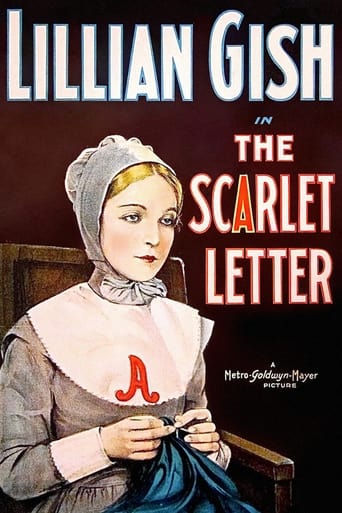
Mary Hawes worked on Hollywood during the mid-1920s, with her only known film credit being the 1926 adaptation of Nathaniel Hawthorne's classic novel 'The Scarlet Letter. ' Like many actors of the silent era, her career was brief and largely undocumented, making her one of the countless performers who contributed to early cinema but left minimal historical records. Her role in 'The Scarlet Letter' placed her alongside notable stars of the period, including Lillian Gish, who portrayed Hester Prynne. The film itself was a significant production, directed by Victor Sjöström, one of the Swedish directors who brought his artistic sensibility to Hollywood. Hawes' participation in this literary adaptation suggests she was likely a supporting player or bit actress, as was common for performers with limited filmographies during this era. The silent film industry was known for its high turnover of talent, with many actors appearing in only one or two films before disappearing from the screen entirely. Unfortunately, like many of her contemporaries who did not achieve lasting fame, detailed biographical information about Mary Hawes remains scarce in film archives and historical records.
The Craft
On Screen
As a silent film actress, Mary Hawes would have employed the exaggerated physical expressions and gestures characteristic of the era, relying on facial expressions and body language to convey emotion without dialogue. Her brief appearance suggests she was likely a supporting player, contributing to the ensemble cast of this literary adaptation.
Milestones
- Appeared in the 1926 adaptation of 'The Scarlet Letter'
Best Known For
Must-See Films
Working Relationships
Studios
Why They Matter
Impact on Culture
Mary Hawes represents the countless anonymous performers who populated the golden age of silent cinema, contributing to the artistic achievements of the era despite their relative obscurity. Her participation in 'The Scarlet Letter' (1926), a significant literary adaptation directed by the renowned Victor Sjöström, places her within the context of Hollywood's artistic ambitions during the silent period. While her individual contribution may have been small, collectively, actors like Hawes formed the essential foundation that allowed major stars and directors to create their masterpieces. The lack of detailed records about her career highlights the ephemeral nature of fame in early Hollywood and the thousands of performers who have been lost to film history.
Lasting Legacy
Mary Hawes' legacy is primarily that of a representative figure from the vast pool of silent era actors whose careers were brief and largely undocumented. Her single known film credit in 'The Scarlet Letter' (1926) shows the collaborative nature of filmmaking, where even the smallest roles contributed to the overall artistic vision. While she did not achieve lasting fame or recognition, her inclusion in this significant production demonstrates how early cinema relied on numerous performers to bring stories to life. Her story underscores the importance of preserving film history and acknowledging the countless individuals who contributed to cinema's development, even if their names have been largely forgotten.
Who They Inspired
Given her brief and undocumented career, Mary Hawes did not have a known direct influence on other performers or filmmakers. However, like all actors from the silent era, she was part of the generation that helped establish the art of film acting and contributed to the development of cinematic storytelling techniques that would influence future generations of performers.
Off Screen
Very little is known about Mary Hawes' personal life, which is typical of many bit players and supporting actors from the silent era who did not achieve lasting fame. Like many performers of her time, her life story remains largely undocumented in film history archives.
Did You Know?
- Mary Hawes appeared in only one known film during her entire career
- Her only film credit was in the 1926 adaptation of 'The Scarlet Letter'
- The film was directed by Victor Sjöström, a renowned Swedish director
- The production starred Lillian Gish,
- Like many silent era actors with brief careers, her personal details remain largely unknown
- The 1926 version of 'The Scarlet Letter' was considered a prestigious literary adaptation
- Her active years covered only a single year, making her one of Hollywood's briefest performers
Frequently Asked Questions
Who was Mary Hawes?
Screen credits include Hollywood during the mid-1920s. She is known only for her role in the 1926 film 'The Scarlet Letter,' making her one of the many obscure performers from the silent era whose careers were brief and largely undocumented.
What films is Mary Hawes best known for?
Titles linked here include The Scarlet Letter (1926).
When was Mary Hawes born and when did she die?
Unfortunately, Mary Hawes' birth and death dates are unknown, which is common for many supporting actors and bit players from the silent era who did not achieve lasting fame and whose personal details were not preserved in historical records.
What awards did Mary Hawes win?
Mary Hawes did not receive any known awards or nominations during her brief film career. Like many supporting actors of the silent era, her contributions went largely unrecognized by formal award institutions.
What was Mary Hawes' acting style?
As a silent film actress, Mary Hawes would have employed the characteristic acting style of the era, using exaggerated facial expressions and physical gestures to convey emotion without dialogue. Her brief appearance suggests she was likely a supporting player in the ensemble cast.