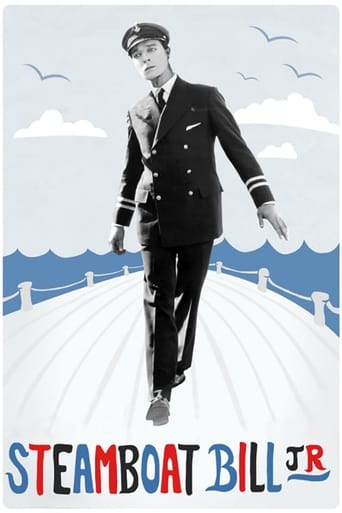
Films
1 film
About Ford West
American actor who worked briefly during the transition period from silent films to early talkies in the late 1920s. His most notable appearance was in Buster Keaton's classic comedy 'Steamboat Bill, Jr.' (1928), where he played a supporting role among the ensemble cast. Like many actors of his era, West's career was likely confined to the silent film period, and the advent of sound cinema may have limited his opportunities. His filmography appears to be extremely limited, with records suggesting he was active only during the year 1928. West was part of the generation of character actors and supporting players who populated the bustling Hollywood studio system during its formative years. While he never achieved star status, his contribution to one of cinema's most celebrated comedies ensures his place in film history. The brevity of his career was typical of many performers who found work difficult to secure as the film industry underwent massive technological and artistic changes.
The Craft
Milestones
- Appeared in Buster Keaton's 'Steamboat Bill, Jr.' (1928)
- Supporting role in classic silent comedy era
Best Known For
Iconic Roles
Must-See Films
Working Relationships
Worked Often With
Studios
Why They Matter
Impact on Culture
Ford West's contribution to cinema, while modest, is part of the silent film history. His appearance in 'Steamboat Bill, Jr.' places him within. The ensemble nature of silent film productions meant that actors like West were essential components in creating the immersive worlds that directors like Buster Keaton envisioned. Though not a star, West represents the countless working actors who formed the backbone of Hollywood's golden age.
Lasting Legacy
Ford West's legacy is intrinsically tied to his participation in 'Steamboat Bill, Jr.,' ensuring that his name appears in the credits of one of cinema's most enduring comedies. While he may not be remembered individually, his work contributes to the lasting appeal of Buster Keaton's masterpiece. He represents the thousands of anonymous performers who helped create the magic of early Hollywood, their names preserved only in film credits and cinema archives.
Who They Inspired
As a brief career actor from the silent era, Ford West's direct influence on subsequent generations of performers is difficult to trace. However, like all actors who worked on classic films, he contributed to the artistic vocabulary that would influence future cinema. His work in ensemble comedy helped establish the importance of supporting characters in creating successful film comedy.
Off Screen
Very little is known about Ford West's personal life, which was typical of many supporting actors from the silent era whose biographical details were not extensively documented in contemporary sources.
Did You Know?
- Appeared in what many consider Buster Keaton's greatest film
- His entire known film career spans only one year
- Steamboat Bill, Jr. Was his only credited film role
- Worked during the final years of the silent era
- Part of the ensemble cast during one of cinema's most creative periods
- His career coincided with the transition to sound films
- Like many silent era actors, his biographical details remain largely undocumented
Frequently Asked Questions
Who was Ford West?
American with credits in this catalog.' (1928). His career appears to have been limited to just one year, making him a representative figure of the many supporting actors from early Hollywood.
What films is Ford West best known for?
Titles linked here include Steamboat Bill, Jr. (1928).
When was Ford West active in films?
Ford West was active only during the year 1928, placing him at the very end of the silent era and the beginning of the transition to sound films. This brief career span was typical of many actors whose careers didn't survive the technological changes in Hollywood.
Did Ford West win any awards for his acting?
There are no records of Ford West receiving any awards or nominations for his work. As a supporting actor with a very brief career during the silent era, formal recognition was unlikely and documentation of such honors from this period is scarce.
What was Ford West's role in Steamboat Bill, Jr.?
Ford West played a supporting role in 'Steamboat Bill, Jr.' among the ensemble cast. While the specific nature of his character is not well-documented, he was part of the rich cast of characters that populated Buster Keaton's Mississippi river setting.
Why is so little known about Ford West?
The scarcity of information about Ford West is typical of many supporting actors from the silent era. Studio systems of the time focused promotional efforts on stars, and extensive biographical documentation for bit players and character actors was rarely maintained. Many records from this period have also been lost over time.