Films
1 film
About Kulkarni
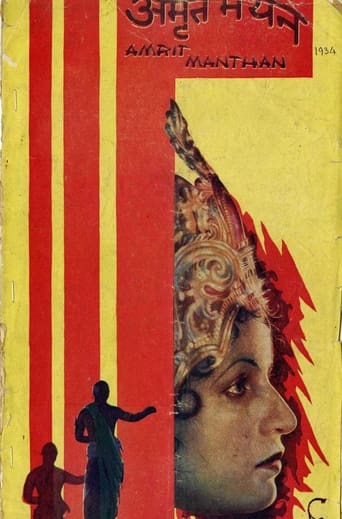
Kulkarni worked on one surviving credit: Amrit Manthan (1934). His most notable work was in the 1934 landmark film 'Amrit Manthan,' directed by V. Shantaram for Prabhat Film Company, which was films of early Indian cinema. Kulkarni was part of the generation that helped establish the Indian film industry during its transition from silent films to talkies. Working during a period when cinema was still establishing itself as a legitimate art form in India, Kulkarni contributed to films that would become cultural touchstones. His appearance in 'Amrit Manthan' placed him among the early actors who worked with visionary directors like V. Shantaram, who was revolutionizing Indian cinema with socially relevant themes and technical innovations. The film itself was for its time, dealing with themes of social reform and religious orthodoxy, making Kulkarni's participation historically significant.
The Craft
On Screen
While specific details about Kulkarni's acting style are not well-documented, actors of this era in Indian cinema typically employed theatrical techniques influenced by both traditional Indian performing arts and Western silent film acting. The transition to talkies required actors to adapt their performances for sound, often resulting in more naturalistic delivery compared to the exaggerated gestures of the silent era.
Milestones
- Appeared in the landmark film Amrit Manthan (1934)
- Part of Prabhat Film Company's early roster
- Contributed to early talkie cinema in India
Best Known For
Iconic Roles
Must-See Films
Working Relationships
Worked Often With
Studios
Why They Matter
Impact on Culture
Kulkarni's contribution to Indian cinema, though not extensively documented, represents the collective effort of numerous actors who helped establish the foundation of Indian film industry. His participation in 'Amrit Manthan' connects him to.
Lasting Legacy
While Kulkarni may not be widely remembered today, his work in early Indian cinema represents the important contributions of countless actors who helped build the industry from its earliest days. These performers laid the groundwork for the massive Indian film industry that would emerge in subsequent decades.
Who They Inspired
As an early cinema actor, Kulkarni was part of the generation that established acting conventions for Indian films. The techniques and approaches developed by actors of this period influenced subsequent generations of Indian performers, even when individual names became lost to history.
Off Screen
Very little personal information is available about Kulkarni, which was common for many supporting actors in early Indian cinema. Historical records from this period often focused primarily on lead actors and directors, leaving limited documentation about character actors and supporting performers.
Did You Know?
- Amrit Manthan (1934) was one of the first Indian films to deal with social reform themes
- The film was directed by V. Shantaram, a pioneer of Indian cinema
- Prabhat Film Company was
- The film was made during the early years of Indian talkies, just a few years after the first Indian sound film
- Early Indian cinema actors often worked with multiple studios and in various regional film industries
- Many records from early Indian cinema were lost or poorly preserved, making complete biographies difficult
- The film's title translates to 'The Churning of the Nectar' in English
- Amrit Manthan was critically acclaimed and considered ahead of its time in its social messaging
Frequently Asked Questions
Who was Kulkarni?
Screen credits include the 1934 film Amrit Manthan, working during the foundational years of Indian talkie cinema with Prabhat Film Company.
What films is Kulkarni best known for?
Titles linked here include Amrit Manthan (1934).
When was Kulkarni born and when did they die?
Specific birth and death dates for Kulkarni are not available in historical records, which was common for many supporting actors in early Indian cinema.
What awards did Kulkarni win?
No awards or nominations for Kulkarni are documented, as formal award systems for Indian cinema were not established during the early 1930s.
What was Kulkarni's acting style?
While specific details are not documented, actors of this era typically blended theatrical traditions with emerging film techniques, adapting from silent film exaggeration to more naturalistic performances for talkies.