S.N. Tripathi
Actor
Born: November 14, 1913 in Varanasi, Uttar Pradesh, India Died: March 28, 1988 Active: 1936-1988 Birth Name: Shri Nath Tripathi
Films
1 film
About S.N. Tripathi
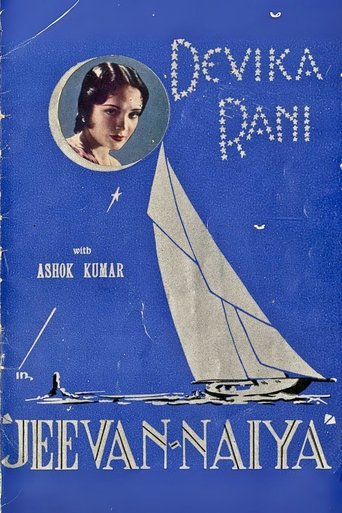
S.N. Tripathi, born Shri Nath Tripathi, was a figure in early Indian cinema who began his career as an actor in the mid-1930s before transitioning into one of the industry's most prolific music directors and later directors. His early acting career included a role in the 1936 film 'Jeevan Naiya,' which was produced by Bombay Talkies and starred Devika Rani and Ashok Kumar. While his acting career was brief, spanning primarily 1936, Tripathi soon discovered his true calling in music composition and direction. He went on to compose music for over 250 films, becoming respected and sought-after music directors in Hindi cinema. His transition from acting to music direction was seamless, and he quickly established himself as a versatile composer who could work across various genres. Later in his career, Tripathi also ventured into film direction, directing several mythological and fantasy films that showcased his creative vision. His contributions to Indian cinema spanned multiple decades, from the early talkies era through the 1970s, leaving an indelible mark on the industry's musical landscape.
The Craft
On Screen
Limited information available from his brief acting period, but appeared in early Bombay Talkies productions during the formative years of Indian talkies
Milestones
- Acting debut in Jeevan Naiya (1936)
- First film as music director for 'Bhakta Prahlad' (1946)
- Composed music for over 250 films
- Directed successful mythological films like 'Sampoorna Ramayana' (1961)
- Pioneered fantasy genre in Indian cinema with films like 'Zabak' (1961)
Best Known For
Iconic Roles
Must-See Films
Accolades
Won
- Madhya Pradesh Government Award for Best Music Director
Nominated
- Filmfare Award nominations for Best Music Director
Special Recognition
- Recognized as one of the pioneers of mythological cinema in India
- Honored by various cultural organizations for contributions to Indian music
Working Relationships
Worked Often With
Studios
Why They Matter
Impact on Culture
S.N. Tripathi played a crucial role in shaping the sound of early Hindi cinema through his extensive work as a music director. His compositions blended classical Indian music with popular sensibilities, making classical ragas accessible to mainstream audiences. His mythological films helped preserve and popularize Indian epics and religious stories for new generations of cinema-goers. The special effects techniques he pioneered in his fantasy films influenced subsequent generations of Indian filmmakers. His work in the 1950s and 1960s particularly contributed to the golden age of Hindi film music.
Lasting Legacy
S.N. Tripathi's legacy in Indian cinema is multifaceted - as an early actor who witnessed the birth of talkies, as a prolific music director who created timeless melodies, and as a director who brought mythological stories to life on screen. His compositions continue to be cherished by classical music enthusiasts and film music lovers alike. The mythological films he directed remain reference points for filmmakers working in the genre. His ability to adapt to changing times while maintaining artistic integrity serves as an inspiration for contemporary artists.
Who They Inspired
Tripathi influenced numerous music directors who followed, particularly in the use of classical music in film compositions. His approach to mythological storytelling set benchmarks for visual effects and narrative structure in Indian cinema. Many of his assistants and students went on to become successful composers in their own right, carrying forward his musical philosophy.
Off Screen
S.N. Tripathi was born into a family with musical inclinations in Varanasi. He married and had children who also entered the film industry. His personal life was relatively private, with most of his time dedicated to his work in cinema. He was known for his disciplined approach to music composition and his ability to work efficiently on multiple projects simultaneously.
Education
Early education in Varanasi with formal training in classical music
Family
- Information not publicly available
Did You Know?
- Started his career as an actor but quickly transitioned to music direction
- Composed music for over 250 films,
- Was particularly known for his expertise in composing music for mythological films
- Often used classical ragas in his film compositions, making them accessible to mass audiences
- Directed some of the most successful mythological films of the 1960s
- His film 'Sampoorna Ramayana' (1961) was a major box office success and is still remembered
- Pioneered special effects techniques in Indian cinema through his fantasy films
- Was known for completing film assignments quickly and efficiently
- His music often featured elaborate orchestration with traditional Indian instruments
- Worked extensively with actor Mahipal in mythological films
In Their Own Words
Music is the soul of cinema, especially in our country where emotions are best expressed through melodies
Mythological stories are not just entertainment, they are our cultural heritage that must be preserved through cinema
Frequently Asked Questions
Who was S.N. Tripathi?
Figure in Indian cinema who started as an actor in 1936 but became most famous as a prolific music on YTB.my.
What films is S.N. Tripathi best known for?
Titles linked here include Jeevan Naiya (1936), Sampoorna Ramayana (1961).
When was S.N. Tripathi born and when did he die?
Born November 14, 1913; died March 28, 1988.
What awards did S.N. Tripathi win?
S.N. Tripathi received the Madhya Pradesh Government Award for Best Music Director and was honored by various cultural organizations for his contributions to Indian music and cinema, though specific comprehensive award records are limited.
What was S.N. Tripathi's contribution to Indian cinema?
S.N. Tripathi made significant contributions as a music director, creating over 250 film scores that blended classical Indian music with popular appeal, and as a director who pioneered mythological and fantasy films with innovative special effects and grand storytelling.