Films
1 film
About Lady Tsen Mei
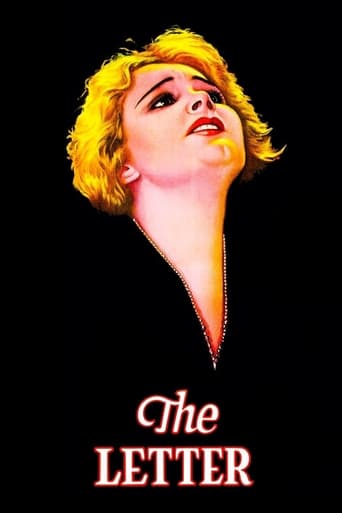
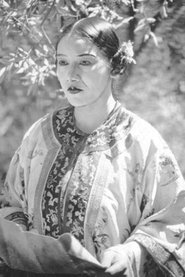
Chinese-American actress who worked in Hollywood during the transition from silent films to early talkies in the late 1920s. Lady appears in the landmark 1929 film 'The Letter,' which was one of the early sound productions and starred Jeanne Eagels. As one of the few Asian performers in Hollywood during this era, she helped break barriers for Asian representation in American cinema. Her career was brief but significant, coinciding with a period when Asian actors were typically relegated to stereotypical roles. Lady Tsen Mei represented a rare opportunity for authentic Asian casting in an industry that often used white actors in yellowface. Her work in 'The Letter' showcased her ability to navigate the new challenges of sound cinema while maintaining the dramatic expressiveness required of the medium. Though her filmography was limited to this single known appearance, her presence in early Hollywood marked an important milestone for Asian-American performers in American cinema.
The Craft
On Screen
While specific details about her acting technique are scarce due to the limited documentation of her career, Lady Tsen Mei likely employed the dramatic, expressive style common in late silent era cinema while adapting to the new demands of sound performance. As an Asian actress in predominantly white Hollywood, she would have had to navigate both the technical challenges of early sound recording and the industry's limited perceptions of Asian performers.
Milestones
- Appeared in the early sound film 'The Letter' (1929)
- One of the few authentic Asian performers in Hollywood during the silent-to-sound transition era
- Pioneered representation for Asian-American actors in early cinema
Best Known For
Iconic Roles
Must-See Films
Working Relationships
Worked Often With
Studios
Why They Matter
Impact on Culture
Lady Tsen Mei's appearance in 'The Letter' represents an important moment in early Hollywood history, as it occurred during a period when authentic Asian representation was extremely rare in American cinema. Her presence in a major studio production during the transition to sound helped pave the way for future generations of Asian-American performers, even though the industry would continue to struggle with proper representation for decades. She was part of the first wave of Asian actors who attempted to establish careers in Hollywood before the more restrictive Hays Code era further limited opportunities for minority performers.
Lasting Legacy
Though her filmography consists of only one known film, Lady Tsen Mei's legacy lies in her role as a pioneer for Asian-American representation in early Hollywood. She represents the often-overlooked contributions of minority performers during cinema's formative years. Her brief career serves as a reminder of the challenges faced by Asian actors in early Hollywood and the importance of authentic representation in film. Her work in 'The Letter' stands as proof of the presence of Asian talent in early cinema, even when historical records have failed to preserve their full stories.
Who They Inspired
While direct evidence of her influence on other performers is limited due to the scarcity of documentation, Lady Tsen Mei undoubtedly served as an early example for Asian-American actors seeking careers in Hollywood. Her ability to secure a role in a major studio production during the competitive transition to sound cinema demonstrated that Asian performers could succeed in the industry, however briefly. This paved the way for later Asian-American actors who would face similar challenges in breaking into Hollywood.
Off Screen
Very little documented information exists about Lady Tsen Mei's personal life, which was common for many supporting actors of the silent and early sound era, particularly those from minority backgrounds. Her brief appearance in Hollywood records suggests she may have been part of the small but significant community of Asian-American performers who sought opportunities in early cinema.
Did You Know?
- Appeared in 'The Letter' (1929), which was one of the early all-talking films produced by Hollywood
- Worked during the challenging transition period from silent films to sound cinema
- One of the few authentic Chinese actresses working in Hollywood during the 1920s
- Her film 'The Letter' was directed by William Wyler, who would later become one of Hollywood's most acclaimed directors
- The film starred Jeanne Eagels in her final role before her untimely death
- Asian actors in 1920s Hollywood were often typecast or used in exoticized roles
- Her stage name 'Lady Tsen Mei' follows the convention of many early Asian performers who adopted stylized names for Western audiences
- The 1929 version of 'The Letter' has been largely overshadowed by the more famous 1940 remake starring Bette Davis
Frequently Asked Questions
Who was Lady Tsen Mei?
Chinese-American actress who worked in Hollywood during the late 1920s, appearing in the early sound film 'The Letter' (1929). She was one of the few authentic Asian performers in Hollywood during the silent-to-sound transition era.
What films is Lady Tsen Mei best known for?
Titles linked here include The Letter (1929).
When was Lady Tsen Mei born and when did she die?
Specific birth and death dates for Lady Tsen Mei are not documented in available historical records, which was common for many supporting actors from minority backgrounds in early Hollywood.
What awards did Lady Tsen Mei win?
There are no documented awards or nominations for Lady Tsen Mei, which was typical for many supporting actors of her era, particularly those from underrepresented groups.
What was Lady Tsen Mei's acting style?
While specific details about her acting style are not well-documented, she likely employed the dramatic, expressive style common in late silent era cinema while adapting to the new demands of early sound performance.
Why is Lady Tsen Mei historically significant?
Lady Tsen Mei is significant as one of the few authentic Asian performers in early Hollywood, representing a rare instance of proper Asian casting during an era when white actors typically played Asian roles in yellowface.