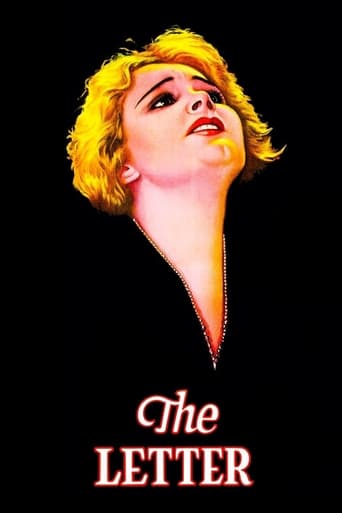
Films
1 film
About Tamaki Yoshiwara
Asian character actor who appeared briefly during the transition from silent films to early talkies in Hollywood. His only known film appearance was in the 1929 drama 'The Letter,' directed by William Wyler and starring Jeanne Eagels. Yoshiwara was cast during a period when Hollywood was beginning to include more authentic Asian casting for Asian roles, though this practice remained limited. His career appears to have been extremely brief, spanning only the year 1929, which was not uncommon for many character actors during this transitional era of cinema. Like many supporting actors of his time, he was likely hired specifically for his ability to portray an authentic Asian character in the film's colonial Malaya setting. The fact that he was cast in a major Paramount production suggests he had some acting experience, possibly in theater or earlier silent films, though no other credits have been documented.
The Craft
Milestones
- Appeared in 'The Letter' (1929), a notable early talkie directed by William Wyler
Best Known For
Must-See Films
Working Relationships
Worked Often With
Studios
Why They Matter
Impact on Culture
Tamaki Yoshiwara represents the small but significant presence of authentic Asian actors in early Hollywood during the transition to sound films. His casting in 'The Letter' (1929) occurred during a time when Asian characters were frequently portrayed by white actors in yellowface, making his inclusion in a major production noteworthy. While his individual impact was minimal due to his brief career, he was part of the gradual evolution toward more authentic casting practices that would continue to develop throughout Hollywood history. His appearance in an early sound film also documents the industry's efforts to incorporate diverse talent during this pivotal technological transition period.
Lasting Legacy
Tamaki Yoshiwara's legacy is primarily preserved through his appearance in 'The Letter' (1929), a significant early talkie that has been preserved as an important example of transitional cinema. As one of the few Asian actors working in Hollywood during this period, his career, however brief, contributes to the broader narrative of Asian representation in American film history. His work serves as a historical marker of the industry's casting practices in the late 1920s and the gradual movement toward more authentic representation. While he did not achieve lasting fame, his documented appearance provides valuable insight into the evolving landscape of Hollywood casting during the early sound era.
Who They Inspired
Due to his extremely brief and limited film career, Tamaki Yoshiwara's direct influence on other actors or filmmakers appears to be minimal. However, his participation in early Hollywood cinema during a period of technological and cultural transition contributes to the broader historical understanding of Asian representation in film during the late 1920s.
Off Screen
Very little is known about Tamaki Yoshiwara's personal life, which is typical for supporting character actors from the early sound era who had brief film careers.
Did You Know?
- Appeared in only one known film during his entire career
- Worked during the critical transition period from silent films to talkies
- Was cast in a major Paramount production directed by William Wyler
- Appeared alongside Jeanne Eagels in her final film role
- His film 'The Letter' was remade in 1940 with Bette Davis in the lead role
- Represents the rare authentic Asian casting in early Hollywood films
- His entire known active years covered just one year: 1929
- Worked during the early days of sound technology in cinema
Frequently Asked Questions
Who was Tamaki Yoshiwara?
Asian character with credits in this catalog. He is known only for his role in the 1929 film 'The Letter,' making him one of the many supporting actors from early cinema whose careers were extremely brief.
What films is Tamaki Yoshiwara best known for?
Titles linked here include The Letter (1929).
When was Tamaki Yoshiwara born and when did he die?
Unfortunately, no biographical information about Tamaki Yoshiwara's birth or death dates is available. This is common for many supporting actors from the early sound era whose careers were brief and who did not achieve lasting fame.
What awards did Tamaki Yoshiwara win?
There are no records of Tamaki Yoshiwara receiving any awards or nominations. As a character actor with only one known film credit, he would not have been eligible for major industry recognition during his brief career.
What was Tamaki Yoshiwara's acting style?
Due to the limited documentation of his work and the fact that only one of his films survives, there is little detailed information available about Tamaki Yoshiwara's specific acting style. As a character actor in early talkies, he would have adapted to the new requirements of sound performance.
Why is Tamaki Yoshiwara significant in film history?
While not famous, Tamaki Yoshiwara is historically significant as an example of authentic Asian casting in early Hollywood during a period when Asian roles were often given to white actors. His appearance in a major 1929 production provides insight into the industry's evolving casting practices during the transition to sound films.