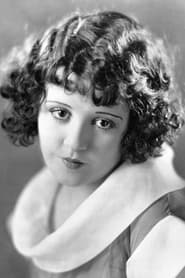
Marion Mack
Actor
Born: April 8, 1902 in Mammoth, Utah, USA Died: May 1, 1989 Active: 1920-1928 Birth Name: Marion McPartland
Films
1 film
About Marion Mack
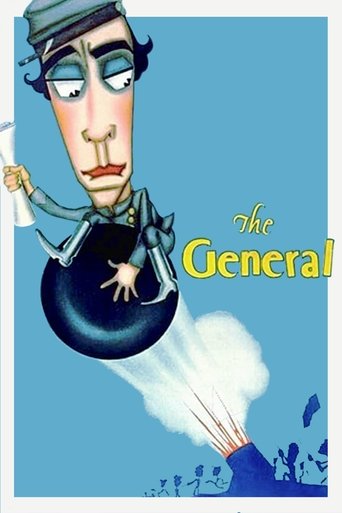
Marion Mack, born Marion McPartland, was an American silent film actress who achieved lasting fame through her memorable performance opposite Buster Keaton in the 1926 comedy masterpiece 'The General.' Beginning her career as a child performer in vaudeville, she transitioned to films in the early 1920s, appearing in numerous shorts and feature films for various studios. Her breakthrough role came when she was cast as Annabelle Lee, the Southern belle and love interest in Keaton's Civil War epic, where she demonstrated remarkable comedic timing and physical comedy skills despite not being a trained comedienne. After 'The General,' she continued appearing in films through the late 1920s, but her career was cut short when she married producer/director Charles Lederer in 1926 and decided to retire from acting to focus on her family. Though her film only about six years, her performance in 'The General' has ensured her place in cinema history as memorable actresses of the silent era. Following her retirement, she occasionally worked behind the scenes in Hollywood but largely stayed out of the public eye, living quietly in California until her death in 1989 at age 87.
The Craft
On Screen
Marion Mack displayed a natural, expressive acting style that perfectly complemented Buster Keaton's deadpan comedy. Though not trained as a comedienne, she possessed remarkable physical comedy abilities and timing, able to convey both humor and genuine emotion through her facial expressions and body movements. Her performance style was characterized by its authenticity and lack of theatrical exaggeration, making her relatable to audiences despite the limitations of silent film acting.
Milestones
- Breakthrough role as Annabelle Lee in Buster Keaton's 'The General' (1926)
- Married Hollywood producer Charles Lederer in 1926
- Transitioned from vaudeville to silent films in early 1920s
- Retired from acting at height of her career to focus on family
- Performance in 'The General' continues to be celebrated nearly a century later
Best Known For
Iconic Roles
Must-See Films
Accolades
Special Recognition
- Immortalized through her iconic performance in 'The General,' widely regarded as one of the greatest films ever made
Working Relationships
Worked Often With
Studios
Why They Matter
Impact on Culture
Marion Mack's performance in 'The General' has had an enduring cultural impact, representing. Her portrayal of Annabelle Lee challenged the typical damsel-in-distress trope by evolving from a seemingly helpless character to one who actively participates in the film's action and comedy. The film itself has been preserved in the National Film Registry for its cultural, historical, and aesthetic significance, ensuring that Mack's contribution to cinema continues to be recognized by new generations of film enthusiasts. Her chemistry with Buster Keaton demonstrated how male and female comedians could work as equals in physical comedy, setting a precedent for future comedy duos.
Lasting Legacy
Marion Mack's legacy rests primarily on her unforgettable performance in 'The General,' which has ensured her place in cinema history despite her relatively short career. Film historians and critics consistently praise her work as one of the finest female performances in silent comedy, noting how she held her own against Buster Keaton's legendary comedic talents. Her decision to retire at the height of her fame has added to her mystique, making her a fascinating figure for silent film enthusiasts. The continued celebration and preservation of 'The General' means that new generations of viewers continue to discover and appreciate Mack's contribution to.
Who They Inspired
While Marion Mack's direct influence on other performers was limited by her brief career and early retirement, her performance style in 'The General' has been studied by film scholars and actors interested in silent film techniques. Her ability to convey emotion and comedy simultaneously without dialogue demonstrated the art of pantomime at its highest level. Modern actresses studying silent film performance often look to Mack's work as an example of how to create a believable character while participating in elaborate physical comedy sequences. Her performance has influenced how female roles in action-comedy films are conceived, showing that women can be both romantic interests and active participants in physical comedy.
Off Screen
Marion Mack married Hollywood producer and director Charles Lederer in 1926, the same year 'The General' was released, which led to her retirement from acting. The couple remained married until Lederer's death in 1976. They had no children together, but Mack devoted herself to supporting her husband's career and managing their household. After Lederer's death, she lived a quiet life in California, occasionally attending film retrospectives and silent film festivals where 'The General' was screened. She maintained friendships from her Hollywood days but largely stayed out of the public eye, preferring a private life away from the glamour of the film industry.
Education
Limited formal education, primarily trained in vaudeville performance from childhood
Family
- Charles Lederer (1926-1976)
Did You Know?
- She was only 24 years old when she starred in 'The General'
- Her real name was Marion McPartland, but she changed it for her film career to avoid confusion with the popular jazz pianist Marian McPartland
- She performed many of her own stunts in 'The General,' including scenes on moving trains
- Before films, she toured with vaudeville circuits as a child performer
- She was paid $150 per week for her role in 'The General', a substantial sum at the time
- Her husband Charles Lederer was the nephew of famous actress Marion Davies
- After retiring from acting, she occasionally worked as a script reader for her husband's production company
- She lived to see 'The General' recognized as one of the greatest films ever made by the American Film Institute
- Despite her fame from 'The General,' she gave very few interviews about her film career after retirement
- She was present at the 50th anniversary celebration of 'The General' in 1976, one of her rare public appearances after retirement
In Their Own Words
Working with Buster Keaton was the greatest experience of my film career. He was a genius and made everything look so effortless, though I know how much work went into every scene.
I never regretted leaving films. I had my moment in 'The General,' and that was enough for me. Family life was more important to me than fame.
The stunts in 'The General' weren't as dangerous as they looked. Buster was a perfectionist and made sure everything was safe, though it certainly didn't look that way on screen!
Frequently Asked Questions
Who was Marion Mack?
American silent film actress best known for her role as Annabelle Lee opposite Buster Keaton in the 1926 masterpiece 'The General.' Though her active years covered only about eight years, her performance in this acclaimed film has ensured her lasting place in cinema history as.
What films is Marion Mack best known for?
Titles linked here include The General (1926), The Carnival Girl (1926).
When was Marion Mack born and when did she die?
Born April 8, 1902; died May 1, 1989.
What awards did Marion Mack win?
Marion Mack did not receive any formal awards or nominations during her lifetime, as the major award systems were not yet established during her brief career. However, her performance in 'The General' has been posthumously recognized by film historians and preservationists, and the film itself has been selected for preservation in the National Film Registry.
What was Marion Mack's acting style?
Marion Mack displayed a natural, expressive acting style that perfectly complemented Buster Keaton's deadpan comedy. She possessed remarkable physical comedy abilities and timing despite not being trained as a comedienne, conveying both humor and genuine emotion through her facial expressions and body movements. Her performance style was characterized by its authenticity and lack of theatrical exaggeration.
Why did Marion Mack retire from acting so early?
Marion Mack retired from acting in 1928 at the age of 26, shortly after marrying Hollywood producer and director Charles Lederer. She chose to focus on her marriage and family life rather than continuing her film career, despite being at the height of her fame following 'The General.' She remained married to Lederer until his death in 1976 and rarely spoke about her film career afterward.
Did Marion Mack perform her own stunts in 'The General'?
Yes, Marion Mack performed many of her own stunts in 'The General,' including numerous scenes on moving trains and other physically demanding sequences. While Buster Keaton was known for his elaborate stunt work, Mack proved herself capable of handling the physical requirements of her role, which was particularly impressive given that she wasn't trained as a physical comedienne.