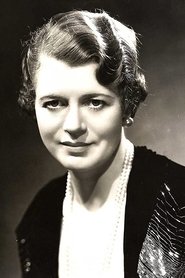
Irene Browne
Actor
Born: June 29, 1898 in New York City, New York, USA Died: July 24, 1965 Active: 1929
Films
1 film
About Irene Browne
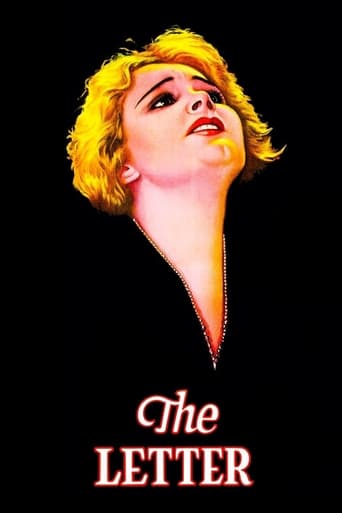
Made her mark in early Hollywood during the transition from silent films to talkies. Her brief but notable film career centered around her appearance in the 1929 drama 'The Letter,' one of the earliest sound films produced by Paramount Pictures. Though her filmography appears limited to this single credited role, she was part of a significant moment in cinema history as the industry adapted to sound technology. Browne's performance in 'The Letter' came during a pivotal year when many silent film actors struggled to make the transition to talking pictures. Her role, while supporting, contributed to the film's critical success and demonstrated the new possibilities of dramatic storytelling in sound cinema. Despite the brevity of her film career, Browne's participation in this early talkie places her among the actors who helped shape the future of motion pictures. After 1929, she appears to have stepped away from film acting, leaving behind a small but historically significant contribution to early sound cinema.
The Craft
On Screen
Based on her appearance in early talkies, Irene Browne likely employed a theatrical style common to the transitional period between silent films and fully developed sound acting, where actors were adapting stage techniques to the new medium of sound cinema.
Milestones
- Appeared in the early sound film 'The Letter' (1929)
- Part of the transition era from silent to talkie cinema
- Worked with director Jean de Limur on 'The Letter'
Best Known For
Iconic Roles
Must-See Films
Working Relationships
Worked Often With
Studios
Why They Matter
Impact on Culture
Irene Browne's contribution to cinema, though brief, represents an important chapter in film history as part of the early sound era. Her appearance in 'The Letter' (1929) places her among the actors who navigated the challenging transition from silent films to talkies, a period that transformed the entire industry. The film itself was significant as one of Paramount's early sound productions and was based on a popular play by W. Somerset Maugham. While Browne's individual impact may be limited by her short career, she represents the countless actors who participated in cinema's evolution during this crucial technological and artistic transition.
Lasting Legacy
Irene Browne's legacy is preserved through her participation in one of early cinema's important transitional films. 'The Letter' (1929) remains historically significant as an early sound adaptation of Maugham's work and as the final film of the legendary Jeanne Eagels. Browne's contribution, though small in scope, is part of the broader narrative of how actors and filmmakers adapted to the revolutionary introduction of sound in motion pictures. Her performance serves as a time capsule of acting styles during this pivotal moment in film history.
Who They Inspired
Given the brevity of her film career, Irene Browne's direct influence on subsequent generations of actors appears limited. However, as part of the ensemble that helped establish the conventions of early sound cinema, she indirectly contributed to the development of film acting techniques that would evolve throughout the 1930s and beyond. Her work represents the foundation upon which more sophisticated sound film performances would later be built.
Off Screen
Irene Browne led a relatively private life away from the spotlight of Hollywood. Born in New York City at the end of the 19th century, she entered the film industry during its transitional period to sound. After her brief film career, she appears to have returned to private life, with little public documentation of her later years. She passed away in 1965 at the age of 67.
Did You Know?
- The Letter (1929) was Irene Browne's only credited film role
- The film was based on a 1927 play by W. Somerset Maugham
- The 1929 version of The Letter was remade in 1940 starring Bette Davis
- The film was one of Paramount Pictures' early all-talking productions
- Jeanne Eagels, the star of the film, died shortly after its release
- The Letter was directed by Jean de Limur, a French director working in Hollywood
- The film was produced during the massive industry transition to sound technology
- Only one print of the 1929 version is known to survive at the Library of Congress
- The film's success helped establish the viability of dramatic talkies in Hollywood
Frequently Asked Questions
Who was Irene Browne?
American actress active during the early sound era of Hollywood, best known for her appearance in the 1929 film 'The Letter.' Her film career was brief, spanning only the year 1929, but she participated in a significant early talkie during cinema's transitional period from silent to sound films.
What films is Irene Browne best known for?
Titles linked here include The Letter (1929).
When was Irene Browne born and when did she die?
Born June 29, 1898; died July 24, 1965.
What awards did Irene Browne win?
There are no records of Irene Browne receiving any major film awards or nominations for her work. Given her brief film career consisting of only one credited role, she did not have the opportunity to accumulate the recognition that comes with a more extensive body of work.
What was Irene Browne's acting style?
While specific details about Irene Browne's acting technique are limited, her work in 1929 places her in the transitional period between silent film acting and the more naturalistic style that would develop in sound cinema. Like many actors of this era, she likely adapted theatrical techniques to the new demands of film acting with sound.
Why is Irene Browne significant in film history?
Irene Browne is significant primarily because she participated in the early sound era of cinema, a revolutionary period that transformed the film industry. Her appearance in 'The Letter' (1929) makes her part of the generation of actors who helped establish the conventions of sound film acting during this crucial technological transition.