Films
1 film
About Frances Parks
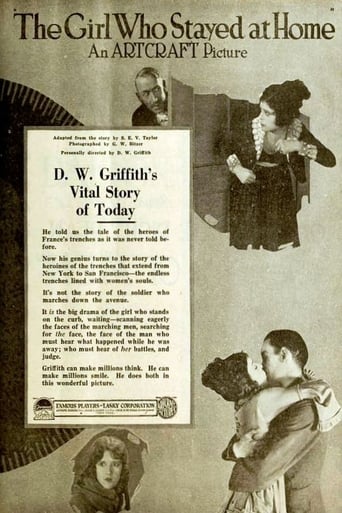
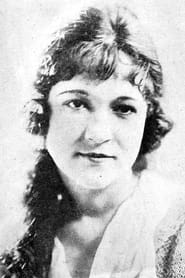
Silent film actress who appeared briefly during the transitional period of American cinema in 1919. Her only a single year, during which she secured a role in D.W. Griffith's World War I drama 'The Girl Who Stayed at Home.' This film was part of Griffith's series exploring the impact of the Great War on American families and society. While her role in the production is not extensively documented, her participation in a major Griffith production suggests she was part of the studio system during the height of the silent era. Like many actors of this period, her career was likely affected by the transition to sound films and the changing dynamics of Hollywood in the 1920s. Her brief appearance in film history represents the countless supporting players who contributed to early cinema but whose stories remain largely untold.
The Craft
Milestones
- Appeared in D.W. Griffith's 'The Girl Who Stayed at Home' (1919)
Best Known For
Must-See Films
Working Relationships
Worked Often With
Studios
Why They Matter
Impact on Culture
Frances Parks represents the countless actors who contributed to early American cinema during its formative years. Her participation in a D.W. Griffith film places her within the context of. While her individual impact may be difficult to trace, she was part of the artistic movement that helped establish narrative filmmaking techniques and conventions that would influence cinema for decades to come.
Lasting Legacy
The legacy of Frances Parks is primarily historical, serving as a reminder of the many performers who populated early films but whose names have been lost to time. Her brief career exemplifies the transient nature of early Hollywood, where many actors appeared in only a handful of films before disappearing from public records. Her story contributes to our understanding of the scale and scope of silent era film production and the vast number of artists who participated in cinema's early development.
Who They Inspired
As a minor actor from the silent era, Frances Parks' direct influence on subsequent generations of performers is difficult to document. However, like all actors who worked during this period, she contributed to the development of screen acting techniques and the establishment of cinema as a legitimate art form and industry.
Off Screen
Very little is documented about Frances Parks' personal life, which is common for many supporting actors from the silent era who did not achieve lasting fame. Like many performers of her time, she was likely drawn to the burgeoning film industry during its golden silent period.
Did You Know?
- Appeared in only one known film during her entire career
- Worked with legendary director D.W. Griffith during his peak creative period
- Her film 'The Girl Who Stayed at Home' was part of Griffith's World War I film series
- The film she appeared in starred silent era icons Lillian Gish and Robert Harron
- Her active years covered the pivotal year of 1919, just before the Roaring Twenties
- Like many silent era actors, her complete filmography may never be fully documented
- She represents the typical journeyman actor of early Hollywood who had brief careers
Frequently Asked Questions
Who was Frances Parks?
Silent film actress who had a brief career in 1919, appearing in D.W. Griffith's World War I drama 'The Girl Who Stayed at Home.' She represents the many supporting actors from early cinema whose careers were short but contributed to the development of American film.
What films is Frances Parks best known for?
Titles linked here include The Girl Who Stayed at Home (1919).
When was Frances Parks born and when did she die?
Unfortunately, specific birth and death dates for Frances Parks are not documented in available historical records, which is common for many supporting actors from the silent era who did not achieve lasting fame.
What awards did Frances Parks win?
There are no documented awards or nominations for Frances Parks, which is typical for actors with very brief careers in the early film industry when formal award systems were still being established.
What was Frances Parks' acting style?
Specific details about Frances Parks' acting style are not documented, but as a performer in a D.W. Griffith film, she likely worked within the dramatic, expressive style characteristic of silent era acting that emphasized gesture and facial expression to convey emotion.
Did Frances Parks work with other famous directors?
Her only documented work was with D.W. Griffith,. Griffith was known for his innovative techniques and for discovering many actors who would become stars of the silent era.