María Calvo
Actor
Born: August 15, 1892 in Zaragoza, Spain Died: October 22, 1995 Active: 1930-1956
Films
1 film
About María Calvo
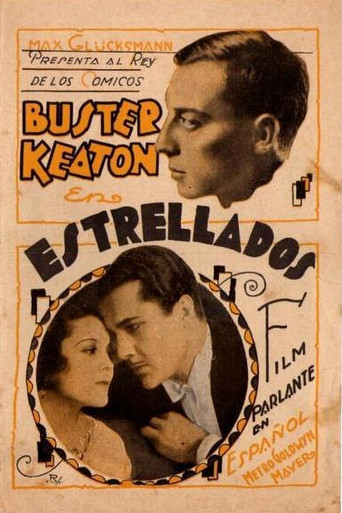
María Calvo (1892–1995) was a prolific Spanish-born actress who became a vital fixture in Hollywood's early sound era, specifically within the niche of Spanish-language 'alternate' productions. Born in Zaragoza, Spain, she emigrated to the United States and found her calling during the transitional period from silent films to talkies when major studios like MGM, Paramount, and Universal produced separate versions of their films for foreign markets. Calvo debuted in 1930 in 'El cuerpo del delitto', the Spanish version of 'The Benson Murder Case', and quickly became the go-to actress for maternal and supporting character roles. Her most notable work from this period includes 'Estrellados' (1930), where she played 'La Mamá Rosas' alongside comedy legend Buster Keaton, and 'Politiquerías' (1931), the Spanish-language version of Laurel and Hardy's 'Chickens Come Home'. Throughout the 1930s and 1940s, she maintained a steady career, eventually transitioning into the Golden Age of Mexican cinema where she appeared in classics like 'Los tres mosqueteros' (1942) with Cantinflas. Her career shows the international nature of early Hollywood, bridging the gap between American studio production and the Spanish-speaking world.
The Craft
On Screen
María Calvo was known for her 'verve' and expressive character acting, often specializing in maternal, authoritative, or comedic supporting roles. In the early talkie era, she was praised for her clear Spanish diction, which was a critical asset for studios producing films for international audiences. Her performance in 'Estrellados' demonstrated her ability to match the physical comedy of Buster Keaton with a grounded, yet spirited, presence.
Milestones
- Cast as the mother figure in 'Estrellados' (1930), the Spanish-language version of Buster Keaton's 'Free and Easy'
- Featured in 'Politiquerías' (1931) as the wife of the Judge, working alongside Stan Laurel and Oliver Hardy
- Became a staple of MGM and Paramount's Spanish-language departments during the early 1930s
- Successfully transitioned to the Mexican film industry during its Golden Age in the 1940s
- Appeared in the landmark Cantinflas comedy 'Los tres mosqueteros' (1942)
Best Known For
Iconic Roles
Must-See Films
Accolades
Special Recognition
- Recognized in film history as a key member of the 'Hollywood Goes Latin' movement of the 1930s
Working Relationships
Worked Often With
Studios
Why They Matter
Impact on Culture
María Calvo played a significant role in the 'Multi-Language Version' (MLV) era of cinema, a brief but fascinating period before dubbing became the industry standard. By appearing in Spanish-language versions of major Hollywood hits, she helped American studios maintain their dominance in foreign markets while providing authentic cultural and linguistic representation for Spanish-speaking audiences worldwide. Her work alongside icons like Buster Keaton and Laurel and Hardy ensured that these comedy legends remained accessible to the Hispanic world during the birth of sound.
Lasting Legacy
Her legacy resides in the preservation of early sound history; the Spanish versions she starred in, such as 'Estrellados', are often studied by film historians for their unique differences from their English counterparts. She is remembered as.S. Studio system and the burgeoning Mexican film industry.
Who They Inspired
She influenced the development of the 'Spanish Hollywood' acting community, proving that character actors could find longevity by specializing in linguistic and cultural niches during major industry shifts.
Off Screen
Born in Spain, María Calvo moved to the United States where she became part of a tight-knit community of Spanish-speaking actors in Los Angeles during the 1930s. She lived a remarkably long life, reaching the age of 103, and passed away in the United States in 1995.
Education
Trained in traditional Spanish theater before transitioning to motion pictures in Hollywood.
Did You Know?
- She lived to the extraordinary age of 103.
- She appeared in over 20 Spanish-language Hollywood productions between 1930 and 1935 alone.
- In 'Politiquerías', she worked with Laurel and Hardy who were famously reading their Spanish lines from off-camera phonetic cue cards.
- She was one of the few actors from the early 1930s Hollywood Spanish scene to successfully continue her career in Mexico for several decades.
- Her film 'Estrellados' is often included as a special feature on modern Buster Keaton DVD collections.
Frequently Asked Questions
Who was María Calvo?
Spanish-American character actress best known for her roles in the Spanish-language versions of Hollywood films during the early 1930s. She worked with major stars like Buster Keaton and Laurel and Hardy.
What films is María Calvo best known for?
Titles linked here include Estrellados (1930), Politiquerías (1931).
When was María Calvo born and when did she die?
Born August 15, 1892; died October 22, 1995.
What was María Calvo's role in Hollywood?
She was a key supporting actress in 'alternate language' productions, playing maternal or comedic roles in films specifically made for Spanish-speaking markets before dubbing was perfected.
Did María Calvo work in Mexican cinema?
Yes, after her success in Hollywood's Spanish-language films, she moved into the Mexican film industry, appearing in numerous films during its Golden Age in the 1940s.