Films
3 films
About Vasili Novikov
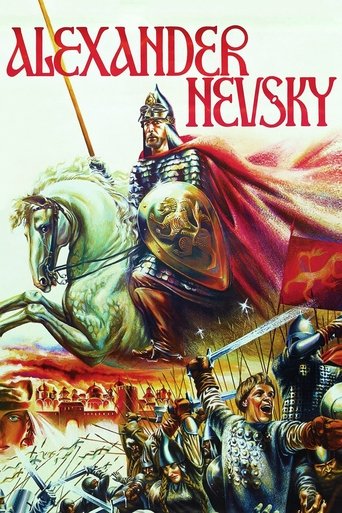
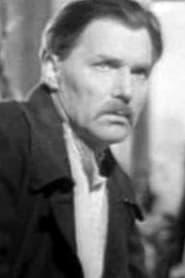
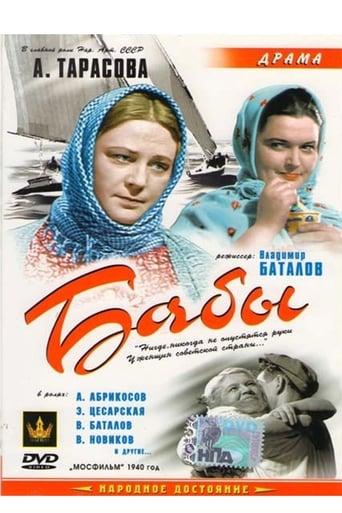
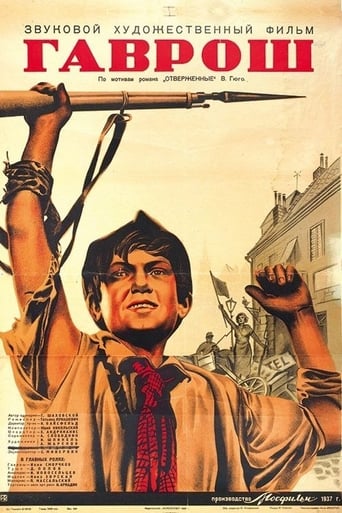
Soviet actor who had a brief but notable career during the height of Stalinist cinema in the late 1930s. His filmography, though limited to just a few years, includes appearances in some of the most significant Soviet films of the era. He worked under the direction of filmmaker Sergei Eisenstein in the epic historical drama 'Alexander Nevsky' (1938), which became Soviet films of its time. Novikov also appeared in 'Gavroche' (1937), a film adaptation of Victor Hugo's Les Misérables focusing on the young street urchin character, and 'Peasant Women' (1940), a Soviet drama about rural life. His career was cut short by the outbreak of World War II and the subsequent changes in Soviet film production. Like many actors of his generation who worked during this politically charged period, detailed records of his life and career remain scarce in Western film archives.
The Craft
On Screen
Based on his work in Soviet films of the late 1930s, Novikov likely employed the theatrical, heightened style common in Soviet cinema of the Stalinist era, which emphasized clear character archetypes and strong emotional expressions suitable for the propagandistic nature of many films during this period.
Milestones
- Appeared in Sergei Eisenstein's 'Alexander Nevsky' (1938)
- Role in 'Gavroche' (1937)
- Performance in 'Peasant Women' (1940)
Best Known For
Iconic Roles
Must-See Films
Working Relationships
Worked Often With
Studios
Why They Matter
Impact on Culture
As a supporting actor in some of the most significant Soviet films of the late 1930s, Vasili Novikov contributed to the golden age of Stalinist cinema, particularly through his participation in Sergei Eisenstein's 'Alexander Nevsky,' which became a landmark of Soviet historical filmmaking and propaganda art. His work, though not widely recognized internationally, was part of the collective effort that established Soviet cinema as a major cultural force during this period.
Lasting Legacy
Vasili Novikov's legacy is primarily preserved through his contributions to classic Soviet cinema, particularly his role in 'Alexander Nevsky,' which remains widely cited. While his individual performances may not be widely remembered, his participation in these culturally significant films ensures his place in the broader narrative of Soviet film history.
Who They Inspired
As a supporting actor during a formative period of Soviet cinema, Novikov was part of the artistic ecosystem that influenced generations of Soviet and Russian filmmakers. The films he appeared in, especially Eisenstein's work, continue to be studied for their innovative techniques and historical significance.
Off Screen
Very little information is available about Vasili Novikov's personal life, which was common for many Soviet supporting actors of this era whose biographical details were not extensively documented in Western film archives.
Did You Know?
- His film active years covered only three years during the height of Stalinist cinema
- Worked with legendary director Sergei Eisenstein on 'Alexander Nevsky'
- Appeared in films during a politically sensitive period in Soviet history
- His filmography consists entirely of Soviet productions
- Like many Soviet actors of his era, detailed biographical information is scarce
- His career coincided with the peak of socialist realism in Soviet art
- Participated in films that combined artistic merit with political messaging
Frequently Asked Questions
Who was Vasili Novikov?
Screen credits include several notable Soviet films, most famously Sergei Eisenstein's 'Alexander Nevsky' (1938). His career was brief but included participation in some of the most significant Soviet cinema productions of the Stalinist era.
What films is Vasili Novikov best known for?
Titles linked here include Alexander Nevsky (1938), Gavroche (1937).
When was Vasili Novikov born and when did he die?
Specific birth and death dates for Vasili Novikov are not readily available in historical records, which is common for many Soviet supporting actors of this era. His known film active years covered from 1937 to 1940.
What awards did Vasili Novikov win?
There are no documented awards or nominations for Vasili Novikov in available film archives. Like many supporting actors in Soviet cinema of the 1930s, his contributions were part of ensemble casts rather than individually recognized performances.
What was Vasili Novikov's acting style?
Based on his work in Soviet films of the late 1930s, Novikov likely employed the theatrical, heightened style common in Soviet cinema of the Stalinist era, which emphasized clear character archetypes and strong emotional expressions suitable for the propagandistic nature of many films during this period.