Films
2 films
About Vladimir Maruta
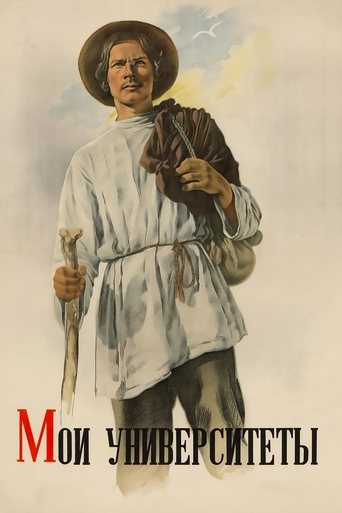
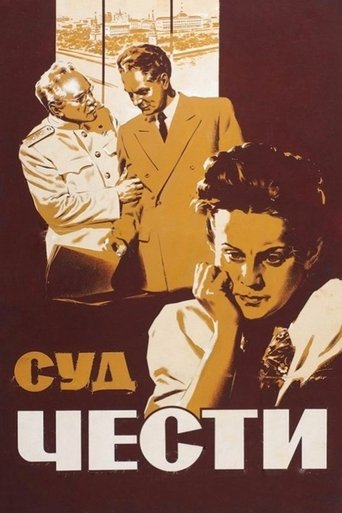
Soviet actor active during the 1940s, appearing primarily in films produced during the Stalinist era of Soviet cinema. His most notable roles came in the early to mid-1940s, including a part in 'My Universities' (1940), which was part of a trilogy based on Maxim Gorky's autobiographical works directed by Mark Donskoy. He also appeared in 'Court of Honor' (1948), a film that reflected the ideological themes prevalent in Soviet cinema of the period. Maruta's the crucial years of World War II and its aftermath, a time when Soviet cinema was heavily influenced by state ideology and socialist realism principles. Like many character actors of his era, he likely worked primarily in supporting roles that served the narrative and ideological purposes of Soviet film productions. His filmography, while limited, places him within the important generation of Soviet actors who helped shape cinema during tumultuous periods of Russian history.
The Craft
Milestones
- Appeared in 'My Universities' (1940), part of Gorky's trilogy
- Role in 'Court of Honor' (1948)
- Active during the Stalinist era of Soviet cinema
Best Known For
Iconic Roles
Must-See Films
Working Relationships
Worked Often With
Studios
Why They Matter
Impact on Culture
Vladimir Maruta contributed to Soviet cinema during a critical period when film was used as a tool for ideological education and cultural expression. His participation in adaptations of Maxim Gorky's works placed him within the tradition of bringing classic Russian literature to the screen, helping to preserve and promote Soviet cultural heritage. Though not a leading actor, his contributions as a character actor were part of the ensemble that made Soviet cinema of the 1940s distinctive in its approach to storytelling and character development.
Lasting Legacy
While Vladimir Maruta may not be widely remembered today, his work in significant Soviet films of the 1940s places him within the historical record of Soviet cinema. His participation in adaptations of Gorky's works connects him to. Like many supporting actors of his generation, his legacy lives on through the preservation of the films he contributed to, which continue to be studied as examples of Soviet cinematic art during the World War II era.
Who They Inspired
As a character actor in Soviet cinema, Maruta would have been part of the tradition of ensemble acting that influenced subsequent generations of Soviet and Russian performers. His work in literary adaptations helped establish patterns for bringing classic Russian literature to the screen that would continue throughout Soviet cinema history.
Off Screen
Limited information is available about Vladimir Maruta's personal life, which is common for many Soviet character actors of his era who worked primarily behind the scenes of major productions.
Did You Know?
- Appeared in 'My Universities' (1940), which was the third part of a trilogy based on Maxim Gorky's autobiography
- His active years covered the World War II period, a crucial time in Soviet cinema
- Worked during the era of socialist realism in Soviet arts
- Participated in films that were considered important cultural works in the USSR
- Like many Soviet actors of his era, likely received state training in dramatic arts
Frequently Asked Questions
Who was Vladimir Maruta?
Screen credits include several notable Soviet films including 'My Universities' (1940) and 'Court of Honor' (1948). He worked primarily as a character actor during the Stalinist era of Soviet cinema.
What films is Vladimir Maruta best known for?
Titles linked here include My Universities (1940), Court of Honor (1948).
When was Vladimir Maruta active in cinema?
Vladimir Maruta was active as an actor from 1940 to 1948, working during the World War II period and early post-war years in the Soviet Union.
What was the significance of 'My Universities' in Soviet cinema?
'My Universities' (1940) was the third part of acclaimed director Mark Donskoy's trilogy based on Maxim Gorky's autobiography, considered a masterpiece of Soviet literary adaptation and an important cultural work of the era.
What style of acting characterized Soviet cinema in the 1940s?
Soviet cinema in the 1940s was characterized by socialist realism, with acting styles that emphasized clear moral positions, ideological clarity, and emotional expressiveness that served the educational and propagandistic purposes of the state.