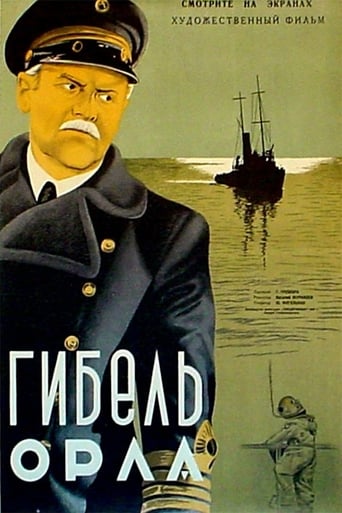
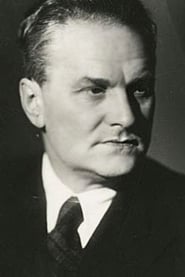
Nikolai Annenkov
Actor
Born: September 21, 1899 in Ivanovo-Voznesensk, Russian Empire (now Ivanovo, Russia) Died: September 25, 1999 Active: 1920s-1990s Birth Name: Nikolai Alexandrovich Annenkov
Films
5 films
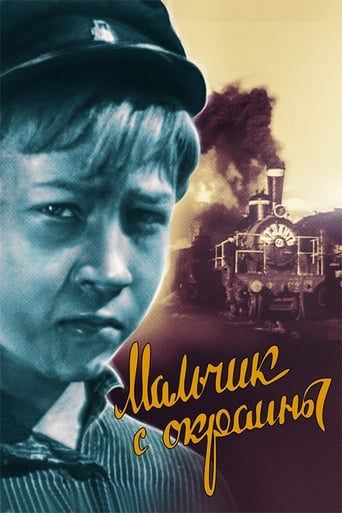
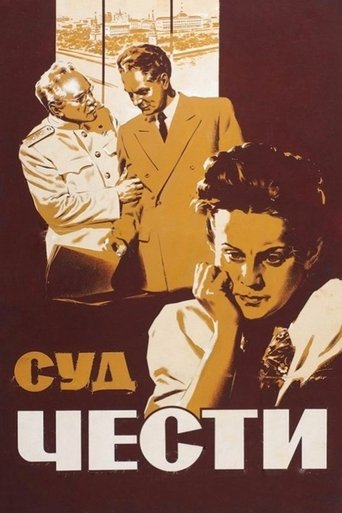
About Nikolai Annenkov
Nikolai Alexandrovich Annenkov was actors of Soviet theater and cinema, whose over seven decades. Born in Ivanovo-Voznesensk in 1899, he began his theatrical journey in the early 1920s and quickly established himself as a versatile performer. Annenkov became particularly associated with the Vakhtangov Theatre in Moscow, where he developed his reputation excelled in both classical and contemporary roles. His film career, though less extensive than his theatrical work, included several significant Soviet productions during the 1940s, most notably the Timur series based on Gaidar's beloved stories. Throughout his career, Annenkov was recognized for his ability to embody complex characters with psychological depth and emotional authenticity. He received the highest honors in Soviet arts, including the title of People's Artist of the USSR, and continued performing well into his 90s. His contributions to Soviet performing arts were instrumental in shaping theatrical standards and training generations of actors.
The Craft
On Screen
Annenkov was known for his psychologically nuanced performances, combining classical technique with emotional depth. His approach emphasized the internal life of characters, using subtle gestures and voice modulation to convey complex emotional states. He was particularly admired for his ability to transition seamlessly between dramatic and comedic roles, bringing authenticity to both historical and contemporary characters.
Milestones
- Joined Vakhtangov Theatre in 1925
- Received title of People's Artist of the USSR (1960)
- Performed in over 200 theatrical productions
- Appeared in landmark Soviet films of the 1940s
- Taught acting at GITIS (Russian Academy of Theatre Arts)
- Celebrated 70th anniversary on stage in 1990s
- Lived to age 100, maintaining artistic activity until his final years
Best Known For
Iconic Roles
Must-See Films
Accolades
Won
- People's Artist of the USSR (1960)
- Order of Lenin
- Order of the Red Banner of Labour
- Stalin Prize (second degree)
- State Prize of the RSFSR named after K. S. Stanislavski
Special Recognition
- Hero of Socialist Labor (1974)
- Honored Artist of the RSFSR (1947)
- People's Artist of the RSFSR (1954)
- Vakhtangov Theatre named him among its most artists
Working Relationships
Worked Often With
Studios
Why They Matter
Impact on Culture
Annenkov's work significantly influenced Soviet theatrical tradition, particularly through his association with the Vakhtangov Theatre's unique style that combined classical Russian theater with innovative approaches. His performances in the Timur films helped shape Soviet childhood culture, as these stories became integral to the upbringing of several generations of Soviet children. His dedication to maintaining high artistic standards during politically challenging periods set an example for artistic integrity in Soviet cultural life.
Lasting Legacy
Nikolai Annenkov left an indelible mark on Russian and Soviet theater as one of the last great masters of the classical tradition. His century-spanning career witnessed and influenced the evolution of Russian performing arts from the revolutionary period through the Soviet era and into post-Soviet times. The Vakhtangov Theatre continues to honor his memory, and his approach to character development and psychological realism remains influential in contemporary Russian acting training.
Who They Inspired
Annenkov influenced generations of Russian actors through both his performances and his teaching. His interpretation of classical roles, particularly in works by Chekhov and Gogol, became reference points for subsequent performers. His emphasis on psychological authenticity and emotional truth helped bridge classical Russian theatrical traditions with more modern approaches, influencing the development of the distinctive Vakhtangov style that continues to impact Russian theater today.
Off Screen
Annenkov was known for his dedication to the craft of acting, often prioritizing his theatrical work over personal matters. He married fellow actress Alla Kazanskaya, with whom he shared both personal and professional life. Despite the pressures of Soviet cultural politics, he maintained artistic integrity throughout his career and was respected for his principled stance on artistic matters.
Education
Graduated from theatrical studio under Vakhtangov Theatre, studied under influential directors including Yevgeny Vakhtangov himself
Family
- Alla Kazanskaya (married 1940s until her death)
Did You Know?
- Lived to be exactly 100 years old, dying just days after his centenary
- Performed on stage for over 70 years, one of the longest theatrical careers in Russian history
- The Timur films in which he appeared became cultural phenomena in the Soviet Union
- Was a contemporary of many legendary Russian actors but outlived most of them by decades
- His performances were studied by acting students throughout the Soviet period
- Maintained his artistic activity even during the most restrictive periods of Soviet cultural policy
- Was known for his meticulous preparation for roles, often spending months studying characters
- Survived multiple political upheavals while maintaining his artistic principles
- His marriage to Alla Kazanskaya was considered one of the great theatrical partnerships of their era
- Continued teaching at GITIS well into his 80s
In Their Own Words
The stage is not just a platform, it's a sacred space where truth must be served
An actor must live a thousand lives, but remain true to himself in each one
The greatest art is to make the invisible visible through the simplest means
Frequently Asked Questions
Who was Nikolai Annenkov?
Renowned Soviet and Russian with credits in this catalog. He was named People's Artist of the USSR and is considered one of the masters of 20th-century Russian theater.
What films is Nikolai Annenkov best known for?
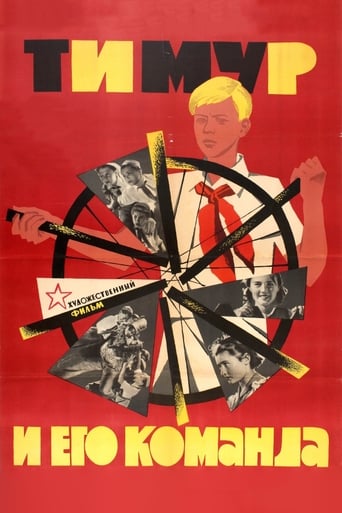
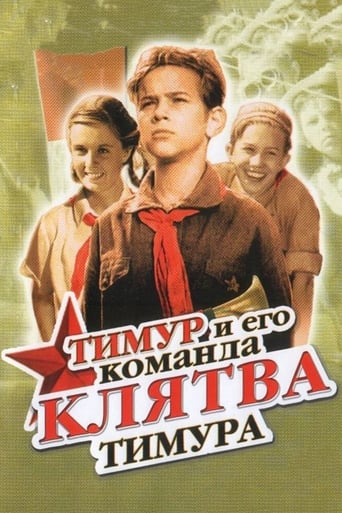
Titles linked here include Timur and His Team (1940), Timur's Oath (1942).
When was Nikolai Annenkov born and when did he die?
Born September 21, 1899; died September 25, 1999.
What awards did Nikolai Annenkov win?
Annenkov received the highest Soviet artistic honors including People's Artist of the USSR (1960), Hero of Socialist Labor (1974), the Stalin Prize, and multiple Orders of Lenin and the Red Banner of Labour.
What was Nikolai Annenkov's acting style?
Annenkov was known for his psychologically nuanced performances combining classical technique with emotional depth. He emphasized the internal life of characters and was admired for his ability to transition seamlessly between dramatic and comedic roles with authentic emotional truth.
What was Nikolai Annenkov's relationship with the Vakhtangov Theatre?
Annenkov was primarily associated with the Vakhtangov Theatre from 1925 until his death, becoming one of its most artists. He performed in over 200 productions there and helped shape the theater's unique style that combined classical Russian theater with innovative approaches.