
Films
1 film
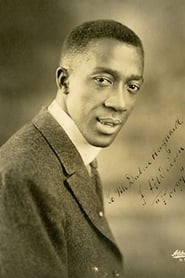
About Frank H. Wilson
African American actor who emerged during the early sound era of Hollywood, making his most significant mark in 1933 with his appearance in the film 'The Emperor Jones.' His career, though brief, coincided with a pivotal moment in cinema history when Black actors were beginning to secure more substantial roles, albeit still heavily limited by the racial constraints of the era. Wilson's participation in 'The Emperor Jones' placed him alongside Paul Robeson, prominent Black performers of the time, in a production that was notably adapted from Eugene O'Neill's acclaimed stage play. The film was significant for its predominantly Black cast and its exploration of complex themes rarely addressed in mainstream cinema of the period. While his filmography appears limited to this single credited role, Wilson's contribution represents the broader struggle and gradual progress of African American performers in Hollywood during the 1930s. His career, though not extensively documented in mainstream film histories, exemplifies the many Black actors who worked during this transitional period in American cinema.
The Craft
On Screen
While specific details about Wilson's acting style are not extensively documented, as an actor in early 1930s Hollywood, he likely worked within the theatrical acting traditions of the time, which emphasized more pronounced gestures and vocal delivery characteristic of the transition from silent to sound films.
Milestones
- Appeared in 'The Emperor Jones' (1933)
- Worked alongside Paul Robeson in a groundbreaking film
- Participated in one of the early major Hollywood films with a predominantly Black cast
Best Known For
Iconic Roles
Must-See Films
Working Relationships
Worked Often With
Studios
Why They Matter
Impact on Culture
Frank H. Wilson's contribution to cinema, while seemingly modest in scope, represents an important part of the broader narrative of African American representation in early Hollywood. His appearance in 'The Emperor Jones' placed him within a production that challenged contemporary racial barriers in cinema, featuring a Black actor in a complex leading role. The film itself was significant for its time, addressing themes of power, race, and psychology in ways that were rare for mainstream Hollywood productions of the 1930s. Wilson's participation, even in a supporting capacity, contributed to the gradual breaking down of racial stereotypes and the opening of doors for future generations of Black performers in the film industry.
Lasting Legacy
Frank H. Wilson's legacy, though not widely documented in mainstream film histories, is preserved through his contribution to 'The Emperor Jones,' a film that remains an important milestone in the history of African American cinema. His work serves as a reminder of the many Black actors who paved the way during the challenging early decades of Hollywood, often with limited recognition but significant cultural impact. The film itself continues to be studied for its historical significance and its role in the broader narrative of racial progress in American entertainment.
Who They Inspired
While specific documentation of Wilson's influence on other performers is limited, his participation in groundbreaking productions like 'The Emperor Jones' contributed to the evolving landscape of opportunities for African American actors in Hollywood. The film's success and the powerful performances it contained helped demonstrate the commercial and artistic viability of productions featuring Black talent in substantial roles.
Off Screen
Limited documentation exists about Frank H. Wilson's personal life, which was common for many supporting actors of his era, particularly African American performers whose lives and careers were not extensively recorded in mainstream Hollywood histories.
Did You Know?
- Appeared in what would become his only credited film role in 1933
- Worked on 'The Emperor Jones' during a pivotal year for African American representation in cinema
- The film was one of the early Hollywood productions to feature a predominantly Black cast in major roles
- His career coincided with the transition from silent films to sound in Hollywood
- The film 'The Emperor Jones' was based on a play by renowned playwright Eugene O'Neill
- Paul Robeson's starring role in the film was considered groundbreaking for its time
- The film was produced by United Artists, one of the major studios of the era
- Wilson's career represents the many actors whose contributions to early Hollywood were not extensively documented
Frequently Asked Questions
Who was Frank H. Wilson?
African American with credits in this catalog. His career, though brief, coincided with an important period for Black representation in Hollywood cinema.
What films is Frank H. Wilson best known for?
Titles linked here include The Emperor Jones (1933).
When was Frank H. Wilson born and when did he die?
Born 1885; died 1956.
What was the significance of 'The Emperor Jones' in film history?
'The Emperor Jones' (1933) was groundbreaking for its time, featuring Paul Robeson in a leading role and maintaining a predominantly Black cast. The film addressed complex themes of power and race rarely explored in mainstream Hollywood productions of the 1930s.
What challenges did African American actors like Frank H. Wilson face in 1930s Hollywood?
African American actors in 1930s Hollywood faced severe limitations in available roles, often being typecast in stereotypical parts or relegated to minor characters. Wilson's participation in 'The Emperor Jones' represented a rare opportunity for substantial, dignified representation on screen.