Films
1 film
About Shara Zhiyenkulova
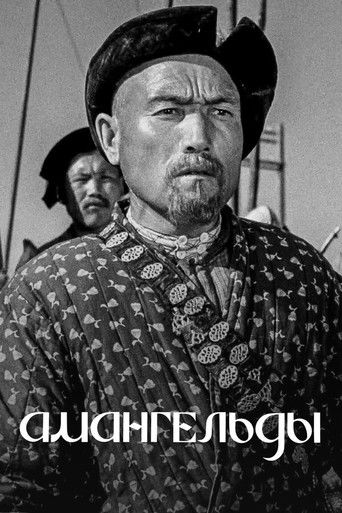
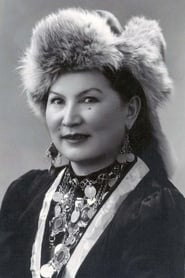
Kazakh actress who emerged during the formative years of Soviet cinema in Central Asia. Her career, though brief, coincided with the development of national cinema in the Kazakh Soviet Socialist Republic. Shara appears in the historical film 'Amangeldy' (1938), which was one of the earliest feature films produced in Kazakhstan and told the story of the Kazakh revolutionary Amangeldy Imanov. As one of the first generation of Kazakh film actors, Zhiyenkulova contributed to establishing a national cinematic tradition during a period when Soviet authorities were promoting regional film industries. Her work in 1938 represents her only known film credit, suggesting she may have been part of the early experimental phase of Kazakh filmmaking before the industry fully matured. The limited documentation of her career reflects the broader challenges in preserving the history of early Central Asian cinema, where many records from the 1930s remain incomplete or inaccessible.
The Craft
Milestones
- Appeared in 'Amangeldy' (1938), one of Kazakhstan's first feature films
Best Known For
Iconic Roles
Must-See Films
Working Relationships
Studios
Why They Matter
Impact on Culture
Shara Zhiyenkulova represents the generation of Kazakh actors who helped establish the foundation of national cinema in Kazakhstan during the Soviet era. Her participation in 'Amangeldy' (1938) placed her at the forefront of Kazakh cinematic history, as this film was among the first to portray Kazakh historical figures and revolutionary themes on screen. The film itself was significant in Soviet cultural policy, aiming to promote national identity within the framework of socialist values. Zhiyenkulova's contribution, though documented in only one film, exemplifies the role of early actors in creating cinematic representations of Kazakh culture and history for both domestic and Soviet audiences.
Lasting Legacy
While Shara Zhiyenkulova's filmography appears limited to a single known work, her legacy persists as part of the foundation of Kazakh cinema. She represents the often-overlooked contributions of women in early Central Asian film industries, where actors served as cultural ambassadors bridging traditional Kazakh storytelling with the new medium of cinema. Her work in 'Amangeldy' helped establish precedents for historical filmmaking in Kazakhstan and influenced subsequent generations of Kazakh filmmakers who would continue to explore national themes. Though detailed records of her career are scarce, her name remains connected to a pivotal moment in Kazakh cultural history when cinema became a vehicle for national expression within the Soviet system.
Who They Inspired
Due to the limited documentation of her career and the brief period of her known activity, specific influences of Shara Zhiyenkulova on subsequent actors are difficult to trace. However, as an early participant in Kazakh cinema, she would have been part of establishing acting traditions and techniques that future generations of Kazakh performers would build upon. Her work in historical films like 'Amangeldy' likely contributed to developing approaches to portraying national heroes and historical figures on screen, a tradition that continues in Kazakh cinema today.
Off Screen
Very little documented information exists about Shara Zhiyenkulova's personal life, which is common for many early Soviet-era actors from Central Asia whose careers predated extensive film industry documentation.
Did You Know?
- Appeared in 'Amangeldy' (1938), which was directed by Moisei Levin and based on the life of Kazakh revolutionary Amangeldy Imanov
- The film 'Amangeldy' was one of the first feature-length narrative films produced in Kazakhstan
- Her career appears to have been limited to the single year of 1938, making her a representative of the very early period of Kazakh cinema
- The film she appeared in was part of Soviet efforts to develop national cinemas in various Soviet republics during the 1930s
- Like many early actors from Soviet Central Asia, detailed biographical information about her remains scarce in Western film historical records
- The film 'Amangeldy' was significant for its portrayal of Kazakh history and revolutionary themes within the Soviet ideological framework
Frequently Asked Questions
Who was Shara Zhiyenkulova?
Screen credits include the 1938 film 'Amangeldy,' one of the earliest feature films produced in Kazakhstan during the Soviet era. She was part of the first generation of Kazakh film actors who helped establish national cinema traditions.
What films is Shara Zhiyenkulova best known for?
Titles linked here include Amangeldy (1938).
When was Shara Zhiyenkulova active in cinema?
Based on available records, Shara Zhiyenkulova was active only in 1938, coinciding with the release of 'Amangeldy.' This brief career span reflects the early developmental stage of Kazakh cinema during the Soviet period.
What was the significance of the film 'Amangeldy'?
'Amangeldy' was historically significant as one of Kazakhstan's first feature films, portraying a Kazakh revolutionary hero and representing Soviet efforts to develop national cinemas. The film helped establish cinematic traditions in Kazakhstan and served both cultural and ideological purposes.
Why is there limited information about Shara Zhiyenkulova?
Limited documentation is common for early Soviet-era actors from Central Asia, as film industry records from the 1930s in this region are often incomplete or not widely accessible in Western archives. The early developmental stage of Kazakh cinema also meant less comprehensive documentation of participants.
What was Shara Zhiyenkulova's contribution to Kazakh cinema?
She contributed as part of the generation that established Kazakh cinema, helping create early film representations of Kazakh culture and history. Her work in 'Amangeldy' helped lay foundations for future Kazakh filmmaking traditions.