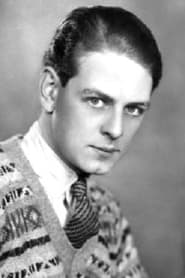
Robin Irvine
Actor
Born: December 21, 1901 in London, England Died: April 28, 1933 Active: 1928-1928
Films
1 film
About Robin Irvine
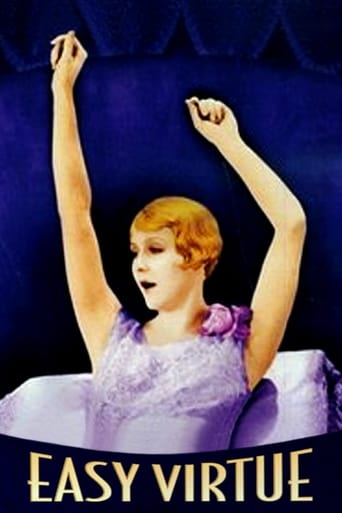
British stage and film actor: brief but notable career coincided with the transition from silent films to early talkies in British cinema. He began his career primarily in theatrical productions, honing his craft on the British stage before transitioning to film work. His most significant contribution to cinema came in 1928 when he was cast by the Alfred Hitchcock in the silent adaptation of Noël Coward's play 'Easy Virtue.' Irvine portrayed John Whittaker, the young aristocrat who marries a divorcée with a questionable past, opposite the accomplished actress Isabel Jeans. Despite his promising performance and the prestige of working with Hitchcock, Irvine's film career remained remarkably brief, with 'Easy Virtue' standing as his only credited screen appearance. After this single film role, he appears to have returned exclusively to stage work, leaving behind a small but intriguing footnote in Hitchcock's early filmography. His career exemplifies the transient nature of many actors during this transitional period in cinema history.
The Craft
On Screen
As a stage actor transitioning to film, Irvine likely employed a theatrical style typical of silent era performers, emphasizing expressive gestures and facial features to convey emotion without dialogue. His performance in 'Easy Virtue' demonstrated the refined, gentlemanly demeanor expected of his character John Whittaker, a young British aristocrat. Like many actors of this period, his technique would have been influenced by the need to project emotions clearly to silent film audiences.
Milestones
- Cast as male lead in Alfred Hitchcock's Easy Virtue (1928)
- Transitioned from stage to film during the silent era
- Worked with renowned director Alfred Hitchcock early in his career
Best Known For
Iconic Roles
Must-See Films
Working Relationships
Worked Often With
Studios
Why They Matter
Impact on Culture
Robin Irvine's cultural impact is primarily historical rather than influential, serving as a representative example of the many actors who briefly appeared during the silent era but did not transition to lasting film careers. His work in 'Easy Virtue' contributes to our understanding of Hitchcock's early directorial choices and the types of actors he worked with before becoming internationally renowned. Irvine represents the transient nature of early film careers, where many talented performers appeared in only one or two films before returning to other pursuits or fading from public view.
Lasting Legacy
Robin Irvine's legacy exists primarily as a footnote in Alfred Hitchcock's extensive filmography and the history of British silent cinema. His single film appearance in 'Easy Virtue' ensures his place in cinema history, however minor, as part of Hitchcock's formative years as a director. Film historians and Hitchcock enthusiasts continue to study his performance as an example of the acting styles prevalent in late silent films. His brief career serves as a reminder of the countless actors who contributed to early cinema but whose names have been largely lost to time.
Who They Inspired
Given his extremely brief film career, Robin Irvine's direct influence on subsequent actors or filmmakers appears minimal. However, his work in 'Easy Virtue' provides modern scholars and film enthusiasts with insight into the acting techniques and casting choices of late silent-era British cinema. His performance, preserved in Hitchcock's early work, serves as a historical document of the acting styles of the period, indirectly influencing our understanding of film history and the evolution of screen acting.
Off Screen
Robin Irvine's personal life remains largely undocumented in historical records, which is common for actors of his era who had brief film careers. What is known is that he died at the young age of 31 in 1933, just five years after his only film appearance. His early death cut short what might have been a more substantial career in either stage or film. The circumstances of his death are not widely recorded in available film history sources.
Did You Know?
- Robin Irvine's entire film career consisted of just one movie
- He worked with Alfred Hitchcock before Hitchcock became internationally famous
- 'Easy Virtue' was an adaptation of a Noël Coward play
- Irvine was 26 years old when he made his only film appearance
- He died just five years after his film debut at age 31
- His character John Whittaker was the male lead in 'Easy Virtue'
- The film was produced by British International Pictures
- Irvine was primarily a stage actor before and after his film appearance
- His co-star Isabel Jeans was an established stage and film actress
- The film was one of Hitchcock's last silent films before transitioning to sound
Frequently Asked Questions
Who was Robin Irvine?
British stage and film with credits in this catalog.' His film career was remarkably brief, consisting of only this one credited appearance before returning to stage work.
What films is Robin Irvine best known for?
Titles linked here include Easy Virtue (1928).
When was Robin Irvine born and when did he die?
Born December 21, 1901; died April 28, 1933.
What awards did Robin Irvine win?
There are no recorded awards or nominations for Robin Irvine, which is not uncommon for actors with such brief film careers, particularly during the silent era when formal award systems were less established.
What was Robin Irvine's acting style?
As a stage actor transitioning to silent film, Irvine likely employed theatrical techniques with expressive gestures and facial features typical of the era. His performance in 'Easy Virtue' demonstrated the refined, gentlemanly demeanor appropriate for his character as a young British aristocrat.