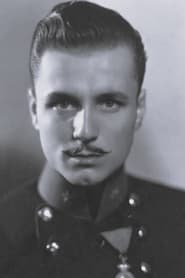
Shep Houghton
Actor
Born: January 1, 1895 in New York City, New York, USA Died: March 15, 1974 Active: 1927-1928 Birth Name: Shepherd Houghton
Films
2 films
About Shep Houghton
American actor who worked primarily during the late silent era, appearing in several notable films of the period. His brief but memorable career coincided with the transition from silent films to talkies, where he worked with some of the most prominent directors of the time, particularly Josef von Sternberg. Houghton appeared in two of von Sternberg's most acclaimed films from this period, showcasing his versatility as a character actor capable of playing both dramatic and supporting roles. His performance in 'Underworld' (1927) placed him in one of cinema's earliest gangster films, while his appearance in 'The Last Command' (1928) connected him to Academy Award history. Though his filmography was limited to these peak years of 1927-1928, his contributions to these significant works of late silent cinema earned him a place in film history. Houghton's career, while brief, represents the type of working actor who helped populate the golden era of Hollywood with memorable supporting performances that enhanced the overall quality of classic films.
The Craft
On Screen
As a character actor during the silent era, Houghton employed the exaggerated physical expressions and dramatic gestures typical of the period, using his facial expressions and body language to convey emotion and character depth without dialogue. His performances in both 'Underworld' and 'The Last Command' demonstrated his ability to adapt to different genres, from gritty crime drama to historical war epic.
Milestones
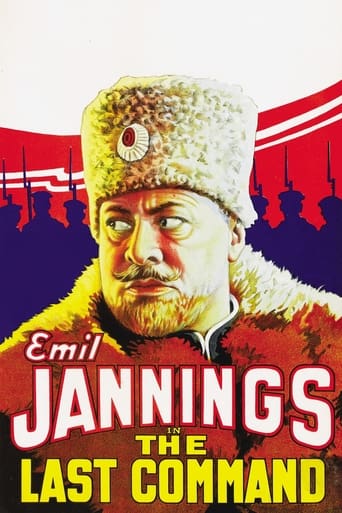
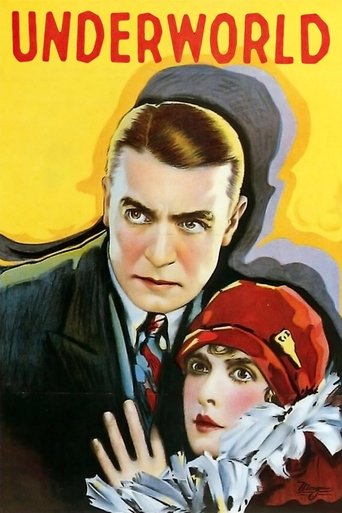
- Appeared in Josef von Sternberg's 'Underworld' (1927), one of the first gangster films
- Performed in 'The Last Command' (1928), which won Emil Jannings the first Academy Award for Best Actor
- Worked during the pivotal transition period from silent films to talkies
- Collaborated with acclaimed director Josef von Sternberg on multiple projects
Best Known For
Iconic Roles
Must-See Films
Working Relationships
Worked Often With
Studios
Why They Matter
Impact on Culture
Shep Houghton's contribution to cinema, while not widely recognized by the general public, is significant within the context of film history as he participated in two landmark films that helped define genres and cinematic techniques. 'Underworld' (1927) is widely regarded as one of the first gangster films, establishing conventions that would influence the genre for decades, while 'The Last Command' (1928) represents the pinnacle of silent filmmaking artistry. As part of these productions, Houghton contributed to the visual storytelling techniques that defined the silent era, working during a crucial transitional period in cinema history.
Lasting Legacy
Shep Houghton's legacy is preserved through his appearances in two historically significant films that continue to be studied by film scholars and enthusiasts. While he never achieved stardom, his work exemplifies the importance of character actors in creating rich, believable cinematic worlds during the silent era. His performances, though brief, contribute to the enduring power of these classic films, ensuring that his name remains part of the historical record of Hollywood's golden age.
Who They Inspired
As a supporting actor during the silent era, Houghton's direct influence on other performers is not well-documented, which was common for actors who did not achieve leading status. However, his work in Josef von Sternberg's films contributed to the director's distinctive visual style, which in turn influenced generations of filmmakers. The films he appeared in continue to serve as reference points for understanding the evolution of American cinema and the development of genre conventions.
Off Screen
Shep Houghton was born Shepherd Houghton in New York City in 1895, growing up during the early development of the American film industry. Little is documented about his personal life, which was typical of many supporting actors of the silent era who maintained private lives away from the spotlight. He lived through the major transitions in cinema history, from the dominance of silent films through the advent of sound, and witnessed the evolution of Hollywood into the studio system. Houghton spent his later years away from the film industry, living a quiet life until his death in 1974 at the age of 79.
Did You Know?
- Both of Houghton's known films were directed by Josef von Sternberg, making him one of the director's recurring collaborators
- 'Underworld' (1927) was nominated for the Academy Award for Best Writing at the first Academy Awards
- 'The Last Command' (1928) won Emil Jannings the first Academy Award for Best Actor
- Houghton worked during the pivotal year of 1927, which saw the release of 'The Jazz Singer' and the beginning of the end of the silent era
- Paramount Pictures, the studio behind both films, was one of the major studios during Hollywood's golden age
- Both films featured some of the biggest stars of the era, including William Powell and Evelyn Brent in 'Underworld' and Emil Jannings in 'The Last Command'
- The films Houghton appeared in are preserved in the National Film Registry for their cultural significance
- His active years covered only two years, coinciding with the height of silent filmmaking before the transition to sound
Frequently Asked Questions
Who was Shep Houghton?
American with credits in this catalog. Though his career was brief, spanning only 1927-1928, he contributed to two historically significant films that are considered classics of silent cinema.
What films is Shep Houghton best known for?
Titles linked here include Underworld (1927), The Last Command (1928).
When was Shep Houghton born and when did he die?
Born January 1, 1895; died March 15, 1974.
What awards did Shep Houghton win?
Shep Houghton did not receive any personal awards or nominations during his career. However, the films he appeared in were critically acclaimed, with 'The Last Command' winning the Academy Award for Best Actor for Emil Jannings and both films being recognized as significant contributions to cinema history.
What was Shep Houghton's acting style?
As a silent era actor, Shep Houghton employed the dramatic physical expressions and exaggerated gestures typical of the period, using facial expressions and body language to convey emotion without dialogue. His versatility allowed him to work across different genres, from crime drama to historical epic.