Films
1 film
About María Campos
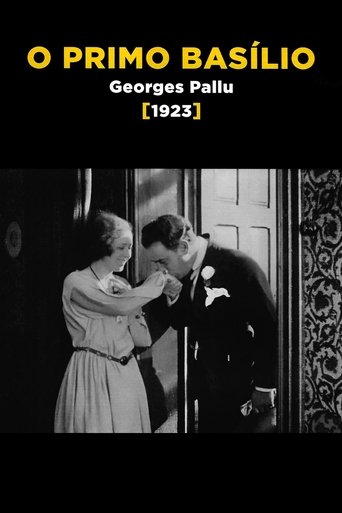
María Campos performed in 1923 adaptation of Eça de Queirós's classic novel 'O Primo Basílio'. This film, directed by Georges Pallu, was one of Portugal's earliest feature film productions and represented a significant milestone in Portuguese cinema history. Campos played a supporting role in this adaptation, which was one of the first Portuguese literary works to be adapted for the silver screen. Her career appears to have been brief, with this 1923 production being her only known film credit. The film itself was notable for its ambitious attempt to bring Portuguese literature to cinema during a period when the country's film industry was still in its infancy. Like many actors from this era of European cinema, Campos' contributions have been largely undocumented in film history archives, reflecting the challenges of preserving records from early 20th century cinema.
The Craft
Milestones
- Appeared in 'O Primo Basílio' (1923), one of Portugal's earliest feature films
- Participated in the first film adaptation of Eça de Queirós's famous novel
Best Known For
Iconic Roles
Must-See Films
Working Relationships
Worked Often With
Why They Matter
Impact on Culture
María Campos represents the generation of Portuguese film actors who helped establish the country's cinema during its formative years. Her participation in 'O Primo Basílio' places her within the context of early Portuguese cultural cinema, which sought to adapt national literary works for the screen. Though her individual impact may be difficult to assess due to limited documentation, she contributed to the foundation of Portuguese film performance traditions during an era when cinema was still establishing itself as a legitimate art form in the country.
Lasting Legacy
María Campos' legacy is primarily preserved through her contribution to one of Portugal's earliest feature films. While her name may not be widely recognized today, she represents the countless actors from the silent era who participated in the birth of national cinemas across Europe. Her work in 'O Primo Basílio' shows the early efforts to create a distinctly Portuguese film culture, adapting the nation's literary heritage for the new medium of cinema.
Who They Inspired
Due to the brief nature of her documented career and the scarcity of records, María Campos' direct influence on subsequent generations of actors is difficult to trace. However, like many early film performers, she helped establish the basic techniques and approaches to film acting that would later be refined and developed by future Portuguese actors.
Off Screen
Very little is documented about María Campos' personal life, which is common for actors from the early silent film era in Portugal. Her brief film career and the limited preservation of records from this period have resulted in minimal biographical information being available to film historians.
Did You Know?
- 'O Primo Basílio' (1923) was based on one of Portugal's most famous novels by Eça de Queirós
- The film was directed by French filmmaker Georges Pallu, who worked extensively in Portugal
- 1923 was very early in Portuguese cinema history, with the country's first films dating only to the late 1890s
- Silent films from Portugal in the 1920s are extremely rare today, with many considered lost
- The film adaptation was one of the first attempts to bring Portuguese realist literature to the screen
- María Campos' entire known film career consists of this single production
- Early Portuguese cinema often relied on literary adaptations to establish cultural legitimacy
- The lack of information about Campos reflects the poor documentation of early film actors in Portugal
Frequently Asked Questions
Who was María Campos?
Portuguese actress from the silent film era known primarily for her appearance in the 1923 film 'O Primo Basílio', one of Portugal's earliest feature film productions.
What films is María Campos best known for?
Titles linked here include O Primo Basílio (1923).
When was María Campos born and when did she die?
Unfortunately, María Campos' birth and death dates are not documented in available film archives, which is common for actors from Portugal's early silent film period.
What awards did María Campos win?
There are no records of María Campos receiving any awards or honors, which reflects the limited formal recognition systems for cinema during the early 1920s in Portugal.
What was María Campos' acting style?
Specific details about María Campos' acting style are not documented, though as a silent film actress in 1923, she would have used the exaggerated gestures and facial expressions typical of the era.
Why is so little known about María Campos?
The scarcity of information about María Campos reflects the broader challenges of preserving records from early Portuguese cinema, where many films and actor biographies have been lost or poorly documented over time.