Douglas Greer
Actor
Born: May 23, 1921 in Ottawa, Ontario, Canada Died: June 1, 2016 Active: 1930-1931
Films
2 films
About Douglas Greer
Child actor during the early sound era of Hollywood, primarily recognized for his brief but memorable stint as a member of the 'Our Gang' (Little Rascals) comedy troupe. Born in Ottawa, Ontario, Greer moved to Los Angeles with his family as the film industry was transitioning from silent films to 'talkies,' providing a unique opportunity for expressive child performers. He was recruited by Hal Roach Studios, where he appeared in several shorts that showcased his naturalistic acting ability alongside child stars like Jackie Cooper and Chubby Chaney. His most prominent roles occurred in 1930 and 1931, during a period when the 'Our Gang' series was experimenting with more sophisticated dialogue and elaborate comedic set pieces. Despite his talent and the high visibility of the Roach comedies, Greer's career in front of the camera was short-lived, as was common for many child actors of the era who either outgrew their roles or chose to pursue private lives. After his departure from the series, he largely receded from the public eye, leaving behind a filmography that serves as a charming time capsule of early 1930s slapstick humor.
The Craft
On Screen
Greer utilized a naturalistic and understated acting style typical of the Hal Roach 'Our Gang' performers, who were encouraged to behave like real children rather than polished stage actors. He was often cast as a 'tough kid' or a background ensemble member who provided reactive comedy to the antics of the lead characters. His ability to deliver lines with a deadpan or earnest quality made him a reliable supporting player in the chaotic environment of early sound comedies.
Milestones
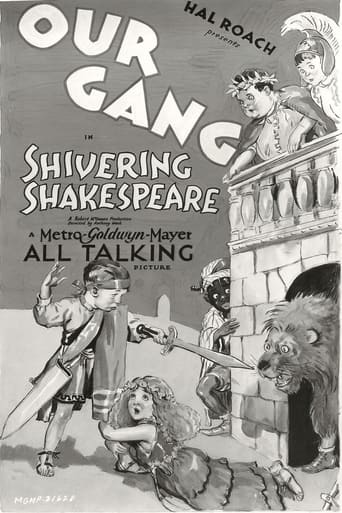
- Featured performer in the classic short 'Shivering Shakespeare' (1930)
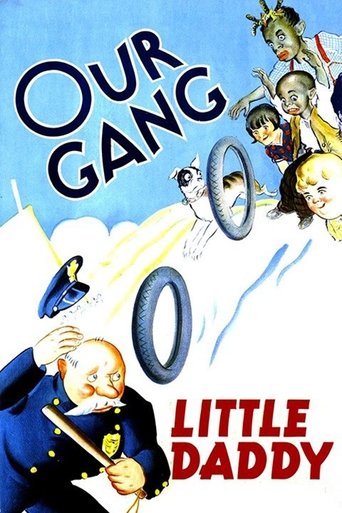
- Appeared in the culturally significant short 'Little Daddy' (1931)
- Participated in the transition era of Hal Roach Studios from silent shorts to sound-heavy comedies
- Maintained a presence in the 'Our Gang' ensemble during the Jackie Cooper era
Best Known For
Iconic Roles
Must-See Films
Accolades
Special Recognition
- Recognized as a 'Little Rascal' by the Sons of the Desert (the international Laurel and Hardy appreciation society)
Working Relationships
Worked Often With
Studios
Why They Matter
Impact on Culture
As a member of 'Our Gang,' Douglas Greer contributed to. The series was groundbreaking for its time, featuring a diverse cast of children playing together as equals, which was a radical departure from the racial segregation prevalent in other media of the 1930s. Greer's participation in shorts like 'Little Daddy' helped cement the 'Our Gang' legacy of childhood innocence and camaraderie that has been celebrated by generations of television viewers since the shorts were syndicated as 'The Little Rascals.'
Lasting Legacy
Douglas Greer's legacy is tied to the golden age of the American comedy short. While he was not a 'breakout' star like Spanky or Alfalfa, his presence in the ensemble during the critical transition to sound helped maintain the continuity and charm of the series. He represents the 'everyman' child of the Depression era, providing a relatable face for audiences of the time. His work remains preserved in the archives of Hal Roach Studios and continues to be studied by film historians interested in the evolution of child acting.
Who They Inspired
Greer, along with his fellow 'Our Gang' members, influenced the way children were portrayed in media, moving away from the 'precocious' and 'artificial' child stars of the Victorian era toward a more authentic, gritty, and humorous depiction of youth.
Off Screen
Douglas Greer moved from Canada to California at a young age. After his brief career in Hollywood, he transitioned into a private life away from the entertainment industry. He eventually moved to the Santa Cruz area in California, where he lived for many decades. He was known to be private about his childhood stardom but occasionally acknowledged his history with the Hal Roach Studios in his later years.
Education
Attended local schools in the Los Angeles area during his tenure as a child actor.
Family
- Information regarding specific spouse names is not publicly documented
Did You Know?
- He was one of the few Canadian-born actors to appear in the original 'Our Gang' shorts.
- He appeared in 'Shivering Shakespeare,' which is often cited by fans as one of the funniest 'play-within-a-movie' concepts in the series.
- Unlike many child stars who struggled in adulthood, Greer lived a long, quiet life, passing away at the age of 95.
- He was active in the series during the transition from the 'Farina' era to the 'Stymie' era.
- His filmography is concentrated entirely within a two-year window at the start of the 1930s.
In Their Own Words
The context of his roles usually involved ensemble dialogue; however, his earnest delivery in 'Shivering Shakespeare' while wearing a costume is often noted by series enthusiasts.
Frequently Asked Questions
Who was Douglas Greer?
Child with credits in this catalog. He was a part of the ensemble during the transition to sound films at Hal Roach Studios.
What films is Douglas Greer best known for?
Titles linked here include Shivering Shakespeare (1930), Little Daddy (1931).
When was Douglas Greer born and when did he die?
Born May 23, 1921; died June 1, 2016.
What was Douglas Greer's acting style?
He practiced a naturalistic, ensemble-based style of acting that was the hallmark of the 'Our Gang' series, focusing on realistic childhood reactions rather than theatrical performances.
What is Douglas Greer's legacy in film?
His legacy is his contribution to the 'Our Gang' shorts, which revolutionized the depiction of children on screen and promoted a message of integrated play and friendship during a segregated era in American history.