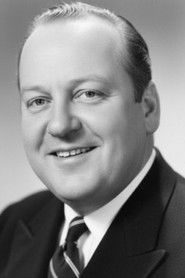
Arthur Q. Bryan
Actor
- Born
- May 16, 1899, Brooklyn, New York, U.S.
- Died
- May 16, 1959
- Active
- 1920s-1959
Films 1
About Arthur Q. Bryan
Arthur Q. Bryan was an American actor and radio performer best remembered for his distinctive, mildly exasperated voice, which made him one of the most recognizable supporting comic voices in mid-20th-century entertainment. In cinema, his screen acting career was brief, and the film commonly associated with him is the wartime short subject Any Bonds Today? (1942), though his true fame came from radio and voice work rather than from feature-film stardom. Bryan became widely known as the voice of Elmer Fudd in Warner Bros. cartoons, a role that turned him into an enduring part of American popular culture and one of the classic examples of a voice performance shaping a character’s entire identity. He also appeared in various radio programs and used his speech pattern and persona to create a comic everyman quality that animation audiences instantly recognized. His career is a strong example of how classic-era performers could become famous not primarily through on-screen celebrity, but through vocal characterization, advertising, and media crossovers. Although his motion-picture filmography is limited, his contribution to golden-age entertainment was substantial because his voice helped define one of the most famous cartoon characters in history. Arthur Q. Bryan remains especially significant to animation historians and classic-cinema researchers as a performer whose legacy far exceeds the small number of screen appearances under his own name.
More about Arthur Q. Bryan
On screen
Bryan's acting style was strongly rooted in voice characterization, timing, and comic irritation rather than broad physical performance. He specialized in a slightly nasal, earnest, and perpetually baffled vocal delivery that made even simple dialogue sound funny and memorable. His performances worked because he could sound both authoritative and helpless at the same time, a combination that animation writers and directors exploited for years. In the small amount of live-action screen work associated with him, his appeal remained tied to the same radio-trained clarity and comic precision that made his voice ideal for character work.
In film history
Arthur Q. Bryan's cultural impact is overwhelmingly tied to the creation and early popularization of Elmer Fudd, one of the most recognizable characters in American animation. His voice helped establish a comic template for the character that influenced how audiences understood hapless, softly spoken antagonists and nervous comic foils. Because Elmer Fudd became a recurring figure across theatrical cartoons, television compilation packages, merchandising, and later revival productions, Bryan's vocal characterization entered the broader culture in a way that outlived his own screen appearances. His work also illustrates how classic Hollywood relied on radio talent to shape animated personalities, bridging two major entertainment forms of the era. In the history of film and animation, he stands as an important example of a performer whose cultural footprint came not from leading-man visibility but from an unforgettable interpretive voice.
Later reputation
Bryan's legacy in film history rests on the durability of his Elmer Fudd interpretation and on his role in the sound-and-character tradition of Golden Age animation. Even though his live-action filmography is extremely limited, his voice remains part of the canonical vocabulary of classic American cartoons, instantly associated with a particular kind of comic weakness and determination. Animation historians often cite performers like Bryan to show how essential vocal acting was to studio-era cartoon success, especially at Warner Bros. where personality-driven humor was paramount. His name continues to surface in discussions of early voice acting because he helped prove that a performer could achieve lasting fame through voice alone. For modern audiences and researchers, he is remembered less as a screen actor than as a foundational classic-era voice artist whose work still resonates whenever Elmer Fudd appears.
Influence
Bryan influenced later voice actors by demonstrating that character voice could be as memorable as physical performance and could carry a comedic identity across decades. His portrayal of Elmer Fudd set a standard for speech-based characterization in animation, encouraging later performers and directors to treat vocal mannerisms as core elements of characterization rather than mere gimmicks. Because the character was reused and reinterpreted after his death, his delivery became a reference point for subsequent artists aiming to preserve the classic sound of the role. He also influenced the broader entertainment industry by helping legitimize the idea that radio and commercial voices could become screen legends in their own right.
Off screen
Arthur Q. Bryan lived much of his professional life outside the spotlight reserved for film stars, and the historical record emphasizes his work more than his private life. He was part of the radio and studio-era talent pool that supplied voices and specialty performances for cartoons, commercials, and short subjects. Detailed public documentation on his marriages, children, and domestic life is limited in standard classic-cinema sources, and much of what is remembered about him centers on his professional persona. He is best understood as a working performer whose off-screen life remained comparatively private.
Education
Not widely documented in standard classic-cinema references
Credits
- Became the best-known voice of Elmer Fudd in Warner Bros. theatrical cartoons, helping define the character's speech and comic rhythm
- Worked in radio and advertising, where his distinctive voice made him a memorable performer in the era's broadcast entertainment landscape
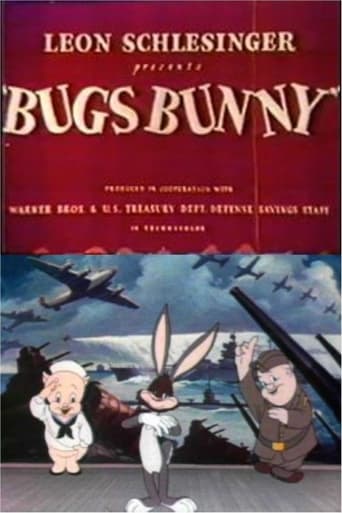
- Appeared in the wartime short Any Bonds Today? (1942), connecting his voice persona to patriotic and promotional screen entertainment
- Established one of the most recognizable comic voices in American animation history, with a performance style that endured long after his death
- Contributed to the transition between radio-era vocal comedy and animated character performance in classic Hollywood entertainment
Roles
- Elmer Fudd
- Supporting comic voice performer in wartime and promotional shorts
Films
- Any Bonds Today? (1942)
Collaborators
- Mel Blanc
- Warner Bros. cartoon production teams
- Radio and advertising producers associated with mid-century broadcast comedy
Studios
- Warner Bros.
- Warner Bros. Cartoons
Notes
- Arthur Q. Bryan is far better remembered for voice work than for live-action screen appearances.
- His distinctive delivery helped define Elmer Fudd's famous speech pattern and comic personality.
- Any Bonds Today? (1942) is one of the screen titles associated with his name in film databases.
- He came from the radio era, when strong vocal identity could create stardom without extensive on-screen exposure.
- His legacy is tied to Warner Bros. cartoons, one of the most influential animation units in Hollywood history.
- He is often grouped with classic-era voice performers whose work was essential but not always publicly credited in the same way as feature-film stars.
Questions
Who was Arthur Q. Bryan?
Arthur Q. Bryan was an American actor and voice performer best remembered as the original voice associated with Elmer Fudd in Warner Bros. cartoons. He had a much larger impact in radio and animation than in live-action film, and his distinctive comic delivery made him a recognizable part of classic-era entertainment.
What films is Arthur Q. Bryan best known for?
He is associated in film records with Any Bonds Today? (1942), a wartime short subject. More broadly, he is best known for his work in animated productions featuring Elmer Fudd rather than for a long list of live-action feature films.
When was Arthur Q. Bryan born and when did he die?
Arthur Q. Bryan was born on May 16, 1899, in Brooklyn, New York, U.S. He died on May 16, 1959, also on his birthday, leaving behind a lasting legacy in radio and animation history.
What awards did Arthur Q. Bryan win?
There are no major widely documented competitive awards or nominations commonly associated with Arthur Q. Bryan in standard classic-cinema references. His recognition is largely historical and cultural, centered on the enduring popularity of his voice work.
What was Arthur Q. Bryan's acting style?
Bryan's style was primarily vocal and comedic, using timing, tone, and a slightly anxious, nasal delivery to create memorable characters. He excelled at making characters sound earnest, confused, and funny at the same time, which was perfect for radio and animation.
What is Arthur Q. Bryan's legacy in film and animation history?
His legacy lies in helping define one of the most famous animated characters of all time, Elmer Fudd. He is remembered as an important classic-era voice actor whose performance style shaped Warner Bros. cartoon comedy and influenced later animation voice acting.