1942 · 7

Also available on: YouTube
Any Bonds Today?

Any Bonds Today?

1942 7 United States
PatriotismWar bond promotionHome-front civic dutyEntertainment as persuasionCollective wartime sacrifice

Plot

In this wartime Looney Tunes short, Bugs Bunny and a chorus of Warner Bros. characters appear in a lively patriotic number designed to encourage the purchase of U.S. war bonds. The cartoon is structured as a brisk musical revue rather than a traditional narrative: Bugs and his fellow animated performers sing, dance, and trade comic business while addressing the wartime home front directly. The title song frames the whole short as a cheerful sales pitch for government bonds, with the characters presenting bond-buying as both a civic duty and a way to support American troops. The film ends as a spirited piece of wartime propaganda, blending slapstick humor, musical performance, and overt exhortation into a compact studio-produced morale booster.

About the Production

Release Date 1942-03-21
Production Warner Bros. Pictures, Leon Schlesinger Productions
Filmed In Termite Terrace, Warner Bros. cartoon studio, Burbank, California

This was produced as a wartime propaganda short during the early years of World War II, when Hollywood studios routinely contributed to the government’s home-front messaging campaigns. Rather than a conventional Bugs Bunny comedy built around a conflict-and-resolution plot, the short is essentially an animated musical public-service number created to promote the U.S. Treasury's war bond drive. It was directed by Robert Clampett, whose early-1940s Looney Tunes work is known for fast timing, exaggerated expressions, and surreal comic energy; those qualities help keep the film lively even while its purpose is overtly promotional. Because this is a short subject rather than a feature, detailed budget and box-office figures are not commonly reported in standard film references.

Historical Background

The film was made and released in 1942, shortly after the United States entered World War II following the attack on Pearl Harbor in December 1941. At that moment, the federal government was heavily focused on mobilizing public support for the war through rationing, conservation, enlistment, civil defense, and the purchase of war bonds. Hollywood studios became important partners in this effort, producing everything from live-action morale films to animated shorts that could reach mass audiences quickly and memorably. Any Bonds Today? matters historically because it is a vivid example of how entertainment was repurposed for wartime persuasion, and because it documents the close relationship between studio animation and government messaging in the early 1940s.

Why This Film Matters

The short is culturally significant as a surviving example of World War II propaganda embedded within mainstream popular entertainment. It shows how Bugs Bunny and Warner Bros. animation were used not only for comedy, but also as vehicles for civic messaging that aligned with national policy and wartime fundraising. Today it is often studied as part of the broader history of propaganda, media persuasion, and the role of animation in shaping public sentiment. It also demonstrates how the Looney Tunes brand could adapt to highly specific historical needs, helping make propaganda more approachable and memorable through familiar characters and music.

Making Of

Any Bonds Today? was produced at Warner Bros. during a period when the studio’s cartoon unit was regularly asked to contribute to wartime morale efforts. Robert Clampett, one of the most inventive directors in the Schlesinger era, was well suited to material that needed speed, exaggeration, and strong visual punctuation. The short uses the studio’s established character stable and musical-production style, but folds them into a Treasury bond promotion rather than a conventional gag-driven narrative. This kind of production reflects how animation studios collaborated with government messaging during the war, using familiar characters to normalize and popularize patriotic spending and sacrifice on the home front.

Visual Style

As an animated short, the film’s visual style relies on bold character animation, crisp timing, and stage-like presentation rather than live-action cinematography. Clampett’s direction tends to emphasize lively poses, elastic movement, and sharply timed comic reaction shots, all of which help maintain momentum in a song-driven format. The cartoon likely uses the familiar Warner Bros. design vocabulary of the early 1940s: strong outlines, simple but expressive backgrounds, and performance-oriented staging that keeps the characters front and center. Because the film is built as a revue, the visuals function like a series of animated stage numbers, with choreography and composition doing much of the narrative work.

Innovations

The film’s main achievement lies in its efficient fusion of animation, music, and direct wartime propaganda messaging. It demonstrates the studio’s ability to use synchronized sound, expressive character animation, and brisk pacing to deliver an overtly political message without abandoning entertainment value. While it does not represent a major technical breakthrough in the way some later animation milestones do, it is notable for the sophistication with which Warner Bros. could integrate commercial-style musical staging into a short animated format. Its significance is more historical and stylistic than technological, but it remains a strong example of early-1940s cartoon craftsmanship.

Music

The soundtrack is central to the film’s purpose, since the short is built around the patriotic song "Any Bonds Today?" and related musical performance. Music drives the structure, with singing and rhythmic comic movement replacing a conventional story arc. As in many Warner Bros. cartoons, the score is designed to synchronize closely with action, punctuating visual gags and reinforcing the promotional message. The combination of catchy melody, novelty lyrics, and character performance helped make war-bond messaging feel more accessible and entertaining to theater audiences.

Famous Quotes

Any bonds today?
Any stamps today?

Memorable Scenes

  • The opening musical performance in which Bugs Bunny and the ensemble immediately frame the short as a patriotic sales pitch.
  • The repeated chorus and dance staging that transforms a government-bond message into an animated revue number.
  • The finale, which drives home the wartime appeal with a cheerful, collective performance of support for the bond drive.

Did You Know?

  • The short is one of several Warner Bros. cartoons made during World War II that directly supported the U.S. war effort through patriotic messaging.
  • Bugs Bunny appears as part of a group performance rather than as the sole lead in a traditional chase comedy.
  • The film’s title comes from the famous wartime slogan and song phrase encouraging the purchase of war bonds.
  • Robert Clampett’s direction gives the short unusually energetic staging for what is essentially an institutional promotional film.
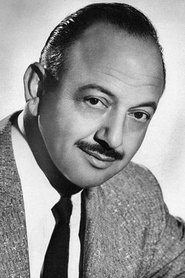
  • Mel Blanc and Arthur Q. Bryan are credited among the voice performers, reflecting Warner’s regular voice cast presence even in propaganda shorts.
  • The cartoon is historically interesting because it shows how major Hollywood animation studios were integrated into civilian morale and fundraising campaigns during the war.
  • Unlike many classic Looney Tunes entries, this short is remembered more for its cultural and historical context than for a standard character-versus-character plot.
  • It belongs to the era when animation was frequently used for government messaging, educational films, and wartime persuasion.
  • The short has circulated in archival and home-video contexts primarily as a historical artifact of wartime animation.
  • Its combination of song, dance, and direct patriotic appeal makes it a clear example of early-1940s studio propaganda entertainment.

What Critics Said

Contemporary critical reception is not widely documented in the same way as for major theatrical features, but the short was generally treated as an effective piece of wartime studio work rather than as a standalone artistic milestone. At the time of release, such shorts were typically judged by how successfully they entertained audiences while serving their government-approved purpose. In retrospect, critics and historians tend to value it more for its historical significance than for its comedic originality, seeing it as an instructive example of propaganda aesthetics within a mainstream cartoon series. It is often discussed in histories of animation and wartime media as representative of Warner Bros.’ active participation in the era’s patriotic filmmaking.

What Audiences Thought

Audience reaction at the time would have been shaped by the broader wartime climate, when patriotic shorts were common in theaters and often accepted as part of the regular program. For many viewers, the appeal likely came from seeing beloved animated characters used in a familiar musical-comedy format, even when the message was overtly didactic. Modern audiences tend to approach the short as a historical curiosity, appreciating it for its archival value, period style, and insight into wartime culture. Its reception today is strongest among animation fans, historians, and collectors interested in wartime propaganda and rare Looney Tunes material.

Film Connections

Influenced By

  • U.S. Treasury war bond campaigns
  • World War II home-front propaganda films
  • Broadway-style musical revue staging
  • Early 1940s Warner Bros. cartoon musical shorts

This Film Influenced

  • Other wartime animated propaganda shorts by major studios
  • Later archival compilations of WWII-era cartoons
  • Documentaries and retrospectives on animation and propaganda

Film Restoration

The film is preserved and survives in archival circulation; it is not considered lost. Like many classic Warner Bros. shorts, it has been retained in film archives and has appeared in home-video and broadcast contexts over the years, though availability can vary depending on rights and compilation releases.

Themes & Topics

Bugs Bunnywar bondspropagandapatriotic songWorld War IIanimated revue