No Poster
Films
2 films
About Maria Hryniewicz
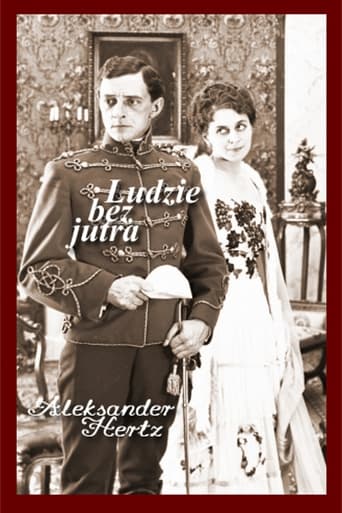
Polish actress who had a brief but notable career during the silent film era in Poland. She emerged as one of the early film performers in the newly reborn Polish nation following World War I, appearing in two significant historical films that reflected Poland's cultural renaissance. Her most prominent role was in 'Ludzie bez jutra' (People Without Tomorrow) in 1921, a film that captured the post-war struggles and aspirations of Polish society. The following year, she appeared in 'Rok 1863' (The Year 1863), a historical drama depicting the January Uprising against Russian rule, which was a significant theme in Polish cultural memory. Despite her promising start in the burgeoning Polish film industry, Hryniewicz's career appears to have been extremely brief, lasting only from 1921 to 1922. Her disappearance from the film record after just two roles was not uncommon for early film actors, many of whom either returned to theater work or left the profession entirely during the challenging transition years of early Polish cinema.
The Craft
Milestones
- Debut in 'Ludzie bez jutra' (1921)
- Role in historical drama 'Rok 1863' (1922)
- Participation in early Polish cinema's formative years
Best Known For
Must-See Films
Why They Matter
Impact on Culture
Maria Hryniewicz represents the generation of Polish actors who helped establish the national cinema during its infancy in the early 1920s. Her participation in historically significant films like 'Rok 1863' contributed to the preservation and popularization of Polish national identity through cinema during a crucial period of cultural renaissance following Poland's regained independence. Though her individual contributions were limited to just two films, she was part of the foundational generation that demonstrated cinema's potential as a medium for expressing Polish historical narratives and contemporary social issues.
Lasting Legacy
Maria Hryniewicz's legacy is that of a representative figure from the earliest days of Polish cinema, a period when the industry was still finding its voice and many actors had brief but meaningful contributions. Her work in films dealing with Polish history and social themes helped establish patterns of national storytelling that would influence Polish cinema for decades. While she did not achieve lasting fame, her name appears in film historical records as one of the women who participated in shaping the early Polish film landscape during its formative years.
Who They Inspired
Due to her brief career and the limited documentation of her work, Maria Hryniewicz's direct influence on subsequent generations of actors is difficult to trace. However, like many early film performers, she contributed to establishing the foundation upon which later Polish cinema would build, particularly in the genre of historical dramas that became a staple of Polish filmmaking.
Off Screen
Very little is documented about Maria Hryniewicz's personal life, which was common for many early silent film actors whose careers were brief and occurred before comprehensive film industry record-keeping was established.
Did You Know?
- Her entire known film active years covered only two years (1921-1922)
- Both of her known films dealt with significant themes in Polish history and society
- She appeared in films during the very early years of independent Poland's cinema industry
- Her film 'Rok 1863' depicted the January Uprising, a major event in Polish resistance against Russian occupation
- Like many early silent film actors, detailed biographical information about her life remains scarce
- Her career coincided with the golden age of Polish silent cinema before the industry faced economic challenges in the late 1920s
Frequently Asked Questions
Who was Maria Hryniewicz?
Screen credits include two films in the early 1920s, representing one of the performers in Poland's early national cinema.
What films is Maria Hryniewicz best known for?
Titles linked here include Ludzie bez jutra (1921), Rok 1863 (1922).
When was Maria Hryniewicz active in film?
Maria Hryniewicz had a very brief film career, active only during the years 1921-1922 according to available film records.
What was the significance of her films?
Her films were important in early Polish cinema for addressing national history and contemporary social issues, contributing to the cultural renaissance of newly independent Poland.
Why is so little known about Maria Hryniewicz?
Like many early silent film actors with brief careers, comprehensive documentation about her life was not preserved, which was common during the formative years of national cinema industries.