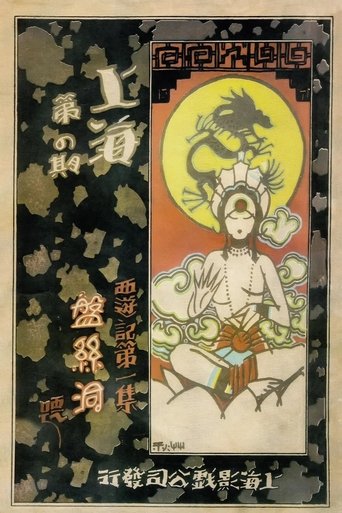
Films
1 film
About Dan Duyu
Early Chinese film director active during the silent era of Chinese cinema in the 1920s. He is primarily known for directing 'The Cave of the Silken Web' (1927), which was an adaptation of a famous episode from the classic Chinese novel 'Journey to the West.' This film represented one of the early attempts to bring traditional Chinese literary works to the silver screen during a formative period of Chinese cinema. The 1920s marked a significant growth period for the Chinese film industry, with Shanghai emerging as the center of film production. Directors like Dan Duyu were pioneers in establishing cinematic techniques and storytelling methods that would influence subsequent generations of Chinese filmmakers. His work contributed to the development of fantasy and mythological genres in Chinese cinema, which would become staples of the industry. Unfortunately, like many films from this period, much of his work has been lost to time, with only fragmentary records remaining of his contributions to early Chinese cinema.
The Craft
Behind the Camera
Dan Duyu's directing style was characteristic of early Chinese silent cinema, emphasizing visual storytelling and theatrical performance techniques. His adaptation of 'The Cave of the Silken Web' demonstrated an ability to translate complex mythological narratives into cinematic form, using the limited technological resources available in 1920s China. His approach likely incorporated traditional Chinese theatrical elements, which was common among early Chinese filmmakers who drew heavily from established performance traditions.
Milestones
- Directed 'The Cave of the Silken Web' (1927)
- Pioneer in adapting classical Chinese literature to film
- Contributed to early Chinese silent cinema
Best Known For
Must-See Films
Why They Matter
Impact on Culture
Dan Duyu's work, particularly 'The Cave of the Silken Web,' represents an important early attempt to adapt China's rich literary heritage to the new medium of cinema. During the 1920s, Chinese filmmakers faced the challenge of creating a national cinema that could compete with imported foreign films while also establishing a distinct cultural identity. By adapting stories from 'Journey to the West,' one of China's Four Great Classical Novels, Dan Duyu contributed to the development of a uniquely Chinese cinematic language that drew upon the nation's literary and cultural traditions. This approach of adapting classical literature would become a recurring theme throughout Chinese film history, influencing generations of filmmakers who sought to bring traditional stories to modern audiences.
Lasting Legacy
Dan Duyu's legacy lies in his contribution to the foundation of Chinese cinema during its formative years. While his name may not be widely recognized today, his work represents the efforts of early Chinese filmmakers who established the groundwork for one of the world's largest film industries. The adaptation of classical Chinese literature to film, which he practiced, became a cornerstone of Chinese cinema and continues to influence contemporary Chinese filmmakers. His work on 'The Cave of the Silken Web' helped establish the fantasy and mythological genres that would remain popular throughout Chinese film history, from early martial arts films to modern fantasy blockbusters.
Who They Inspired
While specific details about Dan Duyu's direct influence on other filmmakers are scarce due to limited historical documentation, his work was part of the broader movement that established Chinese cinema's unique identity. The practice of adapting classical Chinese literature that he helped pioneer influenced countless subsequent directors, from the Shaw Brothers era filmmakers to contemporary directors like Zhang Yimou and Ang Lee who have drawn from Chinese cultural and literary traditions. His early work in the fantasy genre laid groundwork for the development of Chinese fantasy cinema, which would evolve into major productions like 'Crouching Tiger, Hidden Dragon' and 'The Monkey King' adaptations.
Off Screen
Very little personal information about Dan Duyu has survived from historical records, which is common for many early Chinese film pioneers. The lack of documentation about his personal life reflects the broader challenge of preserving the history of early Chinese cinema, where many filmmakers' biographical details have been lost to time.
Did You Know?
- 'The Cave of the Silken Web' (1927) was based on a famous episode from 'Journey to the West' featuring the Spider Demon
- The 1920s was considered the first golden age of Chinese cinema, with Shanghai as the production center
- Many Chinese silent films from this period, including possibly Dan Duyu's complete works, have been lost
- Early Chinese cinema often adapted traditional stories and operas, reflecting the cultural background of filmmakers and audiences
- The film industry in China during the 1920s faced competition from Hollywood imports, leading to the development of distinctly Chinese cinematic styles
Frequently Asked Questions
Who was Dan Duyu?
Early Chinese on YTB.my. He is primarily known for directing 'The Cave of the Silken Web' in 1927, which was an adaptation of a story from the classic Chinese novel 'Journey to the West.'
What films is Dan Duyu best known for?
Titles linked here include The Cave of the Silken Web (1927).
When was Dan Duyu born and when did he die?
Specific birth and death dates for Dan Duyu are not available in historical records, which is common for many early Chinese film pioneers. His known activity was limited to 1927 when he directed his most famous film.
What awards did Dan Duyu win?
There are no documented awards or honors for Dan Duyu, which reflects the limited formal recognition systems for cinema in China during the 1920s. The Chinese film industry was still in its early stages, and formal award systems had not yet been established.
What was Dan Duyu's directing style?
Dan Duyu's directing style was characteristic of early Chinese silent cinema, emphasizing visual storytelling and likely incorporating traditional Chinese theatrical elements. His adaptation of classical literature to film demonstrated an ability to translate complex mythological narratives using the limited cinematic technology available in 1920s China.