
The Cave of the Silken Web
"the venerable father has fallen into the hands of evil spirits"
Keys: Space play/pause · ←/→ 10s · F fullscreen · M mute · </> speed
About this film
A monk named Xuanzang and three companions – The Monkey King, The Pig Spirit, and the Turtle Spirit.  are sent by the Emperor Tai-Tsung on a journey west to find ancient Buddhist Scriptures. Eventually Xuanzang becomes quite hungry.
Cast & crew
More Adventure films
View all →

More about this film
About the production
Release date1927
ProductionShanghai Yingxi Company
Filmed inShanghai, China
The Cave of the Silken Web was especially ambitious productions of early Chinese cinema, featuring elaborate special effects for its time including transformation sequences, wire work for the Monkey King's acrobatics, and innovative techniques to create the spider demons' web effects. Director Dan Duyu, who was married to star Yin Mingzhu, pushed the technical boundaries of 1920s Chinese filmmaking. The production faced significant challenges due to the limited resources available in China's nascent film industry, requiring creative solutions to achieve the fantasy elements. The spider demon costumes were particularly elaborate, requiring multiple costume changes and intricate makeup work to transform the actresses from beautiful women to terrifying creatures.
Themes
Spiritual journey and enlightenmentTemptation and moral testingThe power of friendship and loyaltyTransformation and illusionThe triumph of good over evil
Themes & topics
spider demonsJourney to the WestMonkey KingBuddhist monkrescue missiontransformationmagicfantasy adventuretemptationdivine interventionancient Chinaspiritual questgood versus evilmythologyfolklore
Historical background
The Cave of the Silken Web (1927) emerged during the silent-film era. A monk named Xuanzang and three companions – the Monkey King, the Pig Spirit, and the Turtle Spirit. Archival records and catalog entries help place the work within film-history surveys of the period.
Why this film matters
Preserved under Wikidata ID Q16858491, The Cave of the Silken Web is valued as a screen drama within catalog and archive collections. Wikipedia's "The Cave of the Silken Web (1927 film)" entry connect it to broader histories of cinema exhibition and restoration.
Making of
The production of The Cave of the Silken Web was a remarkable achievement for 1920s Chinese cinema, requiring innovative solutions to bring the fantastical elements of Journey to the West to life. Director Dan Duyu, working with limited resources compared to Hollywood productions, developed creative techniques for the film's many special effects. The transformation sequences of the spider demons were accomplished through clever editing and makeup effects, while the Monkey King's flying scenes used early wire work techniques and careful camera angles. The elaborate spider web set was constructed using various materials including silk threads and painted glass to create ethereal lighting effects. The seven actresses playing the spider sisters underwent hours of makeup application each day, with their costumes featuring intricate designs that could be quickly modified for their transformation scenes. The film was shot on location in Shanghai and at the newly constructed studios of the Shanghai Yingxi Company, which was among the leading advanced film production facilities in China at the time. The production team worked long hours to complete the ambitious project, with many scenes requiring multiple takes due to the complexity of the special effects and the limitations of the equipment available.
What critics said
Critical writing on The Cave of the Silken Web emphasizes its craft and historical interest. It is based on an episode of the shenmo fantasy novel Journey to the West, a Chinese literary classic written in the Ming Dynasty.
Did you know?
- This is one of the earliest known film adaptations of Journey to the West, predating even the most famous adaptations by several decades
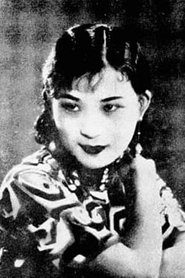
- Director Dan Duyu was married to the film's star Yin Mingzhu, making them one of early Chinese cinema's power couples
- The film was produced during the golden age of Shanghai cinema, when the city was known as the 'Hollywood of the East'
- Only fragments of this film are believed to survive today, as many Chinese films from this period were lost during the Sino-Japanese War and Cultural Revolution
- The spider demons were portrayed by seven different actresses, each requiring elaborate makeup and costume transformations
- This film was part of a series of Journey to the West adaptations made in the 1920s, though most others are now completely lost
- The special effects used to create the Monkey King's flying sequences were considered groundbreaking for Chinese cinema at the time
- Yin Mingzhu was one of China's first genuine movie stars, known as the 'Film Queen' of early Chinese cinema
- The film's production coincided with the peak of silent cinema in China, just before the transition to sound films
- The spider web effects were created using a combination of practical effects and early optical printing techniques
Visual style
The cinematography of The Cave of the Silken Web was considered advanced for its time, employing innovative techniques to create the film's fantasy elements. The cinematographer utilized multiple exposure techniques to create the transformation effects of the spider demons, carefully layering different shots to achieve the illusion of metamorphosis. The lighting design was particularly sophisticated, using dramatic contrasts to create the mysterious atmosphere of the spider cave and the ethereal glow around the bodhisattva Guanyin. The film featured elaborate camera movements for the era, including tracking shots during the action sequences to enhance the dynamic quality of the Monkey King's battles. The cinematography also incorporated elements of traditional Chinese visual arts, with carefully composed shots that echoed classical Chinese painting in their use of space and perspective. The spider web effects were achieved through a combination of practical effects and innovative camera techniques, including the use of backlit materials to create glowing web patterns. The film's visual style blended Western cinematic techniques with distinctly Chinese aesthetic sensibilities, creating a unique visual language that would influence subsequent Chinese fantasy films.
Innovations
The Cave of the Silken Web featured several technical achievements that were groundbreaking for Chinese cinema in the 1920s. The film's special effects, particularly the transformation sequences of the spider demons, required innovative use of multiple exposure and matte painting techniques that were rarely seen in Chinese productions of the era. The wire work used to create the Monkey King's flying abilities was particularly sophisticated, involving complex rigging systems that allowed for dynamic movement while maintaining the illusion of supernatural flight. The production design included elaborate mechanical effects for the spider web sequences, using pulleys and hidden mechanisms to create the appearance of living webs that could trap characters. The makeup and prosthetic effects for the spider demon transformations were remarkably detailed, requiring multiple layers of application and careful timing to achieve the desired visual impact. The film also featured early examples of stop-motion animation for certain magical effects, demonstrating the technical ambition of the production team. These achievements were particularly impressive given the limited resources and technical infrastructure available in China's film industry at the time, representing a significant step forward in the technical capabilities of Chinese cinema.
Music
As a silent film, The Cave of the Silken Web would have been accompanied by live musical performances during its theatrical run. The typical practice in Shanghai cinemas of the 1920s involved a combination of Western orchestral instruments and traditional Chinese instruments to create an appropriate atmosphere. For a fantasy film like this, the musical accompaniment would likely have included dramatic percussion during action sequences, mysterious string arrangements for the spider cave scenes, and serene melodies for the appearance of Guanyin. The score would have been carefully synchronized with the on-screen action, with specific musical motifs for different characters and situations. While the original musical arrangements have not survived, contemporary accounts suggest that the music was an integral part of the viewing experience, enhancing the film's emotional impact and helping to bridge cultural gaps in the storytelling. Some theaters may have used traditional Chinese opera techniques for certain scenes, particularly those involving the Monkey King, whose character has deep roots in Chinese performance traditions.
Famous quotes
Master, we must overcome all temptations on our path to enlightenment
Even the most beautiful exterior can hide a dangerous demon within
The web of desire is stronger than any spider's silk
True wisdom comes not from avoiding temptation, but from overcoming it
The path to enlightenment is fraught with trials, but with faith and friendship, we shall prevail
Memorable scenes
- The transformation sequence where the seven beautiful women reveal their true spider demon forms, featuring groundbreaking makeup effects and multiple exposure techniques
- The Monkey King's aerial battle with the spider sisters, utilizing innovative wire work and dynamic camera movements
- The climactic appearance of Guanyin, whose divine presence is conveyed through ethereal lighting effects and serene musical accompaniment
- The elaborate spider cave set, with its intricate web design and atmospheric lighting creating a sense of danger and mystery
What audiences thought
The Cave of the Silken Web was reportedly popular with contemporary Chinese audiences, particularly in Shanghai where it premiered. The film's adaptation of a familiar and beloved story from Journey to the West gave it immediate recognition and appeal among moviegoers. Audiences were especially impressed by the film's spectacular special effects and the transformation sequences of the spider demons, which were discussed excitedly in theaters and social gatherings. The combination of action, fantasy elements, and moral themes resonated with Chinese audiences of the 1920s, who were navigating rapid social changes and seeking entertainment that reflected their cultural heritage. The film's success helped establish the commercial viability of fantasy films in the Chinese market and encouraged other studios to invest in similar productions. Movie theaters in Shanghai and other major cities reportedly ran the film for extended periods due to popular demand, and it was often mentioned in entertainment columns of Chinese newspapers as a must-see attraction. The film's popularity contributed to the growing fame of its stars, particularly Yin Mingzhu, who became widely recognized actresses in Chinese cinema during this period.
Film connections
Influenced by
- Journey to the West novel by Wu Cheng'en
- Traditional Chinese opera and theater
- Buddhist mythology and folklore
- Chinese folk tales and legends
- Early Hollywood fantasy films
- Chinese silent cinema traditions
This film influenced
- Subsequent Journey to the West adaptations
- Chinese fantasy films of the 1930s-1950s
- Hong Kong martial arts fantasy films
- Modern Chinese CGI fantasy blockbusters
- Television adaptations of Journey to the West
Film restoration
The Cave of the Silken Web is believed to be partially lost, with only fragments of the original film surviving today. Like many Chinese films from the silent era, it suffered from the ravages of time, war, and political upheaval. Some portions of the film are preserved in the China Film Archive, while other fragments may exist in private collections or foreign archives. The incomplete preservation status makes it difficult to appreciate the film in its entirety, though the surviving footage provides valuable insight into early Chinese fantasy cinema. Film preservationists continue to search for missing reels and fragments, hoping to reconstruct more of this historically significant work. The surviving portions have been digitized and are occasionally shown at film festivals and archival screenings, allowing modern audiences to glimpse this pioneering adaptation of Journey to the West.
Where to watch
- China Film Archive (Beijing) - occasional special screenings
- Various film festivals featuring classic Chinese cinema
- Academic institutions with Chinese film collections
- Some portions may be available through specialized film archives and museums
- Limited availability through educational film distribution services