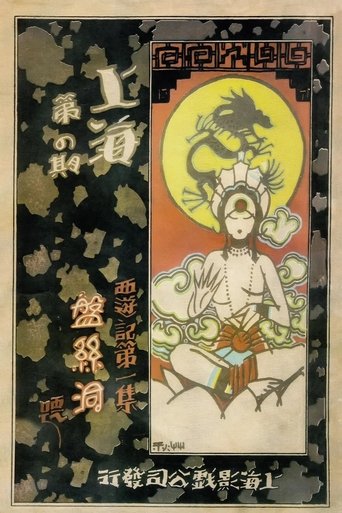
Films
1 film
About Ng Man-Chiu
Actor in the early Chinese film industry during the silent era, appearing in at least one notable production in 1927. His career coincided with the golden age of Shanghai cinema, when the city emerged as the center of Chinese filmmaking in the 1920s. He participated in 'The Cave of the Silken Web,' one of the early adaptations of classic Chinese literature that helped establish the foundation of Chinese cinema. Like many actors of this period, his work was primarily focused on the burgeoning Shanghai film scene, which was producing hundreds of films annually by the mid-1920s. The silent era in China lasted roughly from 1905 to the early 1930s, and actors like Ng Man-Chiu were pioneers in this new artistic medium. Unfortunately, due to the limited documentation of early Chinese cinema personnel and the loss of many films from this period, detailed information about his complete career trajectory remains scarce. His contribution, however, represents part of the foundation upon which Chinese cinema was built during its formative years.
The Craft
Milestones
- Appeared in 'The Cave of the Silken Web' (1927) during the golden age of Shanghai silent cinema
Best Known For
Must-See Films
Why They Matter
Impact on Culture
Ng Man-Chiu's work in early Chinese cinema represents an important part of the foundation of Chinese film history. During the 1920s, Shanghai emerged as the 'Hollywood of the East,' producing hundreds of films that helped establish Chinese cinematic traditions. Actors like Ng Man-Chiu were pioneers who helped bring Chinese stories and cultural elements to the screen during the medium's formative years in China. Their contributions, though often undocumented in detail, were crucial in developing the language of Chinese cinema and establishing film as a popular art form in China.
Lasting Legacy
While specific details about Ng Man-Chiu's legacy are limited due to the scarcity of records from early Chinese cinema, his participation in films like 'The Cave of the Silken Web' places him among the pioneers of Chinese filmmaking. The early silent era in China was crucial for establishing cinematic techniques and storytelling methods that would influence generations of Chinese filmmakers. Even actors with brief filmographies contributed to this foundational period, helping create the framework for one of the world's most significant film industries.
Who They Inspired
Direct influence on later actors and filmmakers cannot be specifically documented for Ng Man-Chiu due to limited historical records. However, early Chinese cinema pioneers collectively influenced the development of acting styles and cinematic traditions in China. The work of actors from this period helped establish conventions for Chinese film performance that would evolve through the decades, particularly in the adaptation of classical Chinese literature to the screen.
Off Screen
Very little personal information is available about Ng Man-Chiu, which is typical for many actors from the early Chinese silent film era. Records from this period are scarce, and many details about the lives of early Chinese film actors have been lost to time.
Did You Know?
- The Cave of the Silken Web (1927) is based on an episode from the classic Chinese novel 'Journey to the West'
- 1927 was during the peak of Shanghai's silent film production era
- Many Chinese silent films from this period have been lost, making surviving works particularly valuable
- Early Chinese cinema often adapted classic literature and folklore, bringing traditional stories to the new medium
- Shanghai in the 1920s was known as the 'Hollywood of the East' due to its thriving film industry
- The silent era in China lasted approximately 30 years, from 1905 to the early 1930s
- Many details about early Chinese film actors are lost due to incomplete historical documentation
Frequently Asked Questions
Who was Ng Man-Chiu?
Chinese with credits in this catalog. He was part of the early Chinese film industry that developed in Shanghai during this period.
What films is Ng Man-Chiu best known for?
Titles linked here include The Cave of the Silken Web (1927).
When was Ng Man-Chiu active in film?
Based on available records, Ng Man-Chiu was active in 1927, during the height of the silent film era in China when Shanghai was the center of Chinese cinema production.
What was early Chinese cinema like in the 1920s?
The 1920s marked the golden age of Shanghai cinema, with hundreds of silent films being produced annually. Many films adapted classic Chinese literature, and the industry was establishing its unique identity separate from Western cinema.
Why is there limited information about early Chinese actors?
Limited documentation, loss of films, and incomplete historical records from the early Chinese film industry make it difficult to gather detailed information about many actors from this period. This is a common challenge for film historians studying early Chinese cinema.