Films
2 films
About Rosario Moreno
Prominent Filipino actress during the golden age of Philippine cinema in the late 1930s and early 1940s. She emerged as a talented performer during the pre-war era when Philippine cinema was experiencing its first major boom, with local film studios producing numerous Tagalog-language pictures. Moreno's career, though brief, coincided with what many consider the first golden age of Filipino filmmaking, a period that saw the emergence of distinctly Philippine cinematic traditions and storytelling. Her performances in the late 1930s showcased the dramatic acting style that was becoming popular in Filipino cinema, blending Western influences with local sensibilities. Like many actors of her generation, her career was likely interrupted or significantly altered by the outbreak of World War II and the subsequent Japanese occupation of the Philippines. Despite her short filmography, Moreno remains remembered as part of the generation of Filipino actors who helped establish the country's film industry during its formative years.
The Craft
On Screen
Rosario Moreno's acting style reflected the dramatic conventions of early Philippine cinema, characterized by emotional expressiveness and theatrical delivery that was typical of the period. Her performances embodied the melodramatic tradition that was popular in Filipino films of the late 1930s, where actors conveyed intense emotions through both dialogue and physical expression. Like many actors of her era, Moreno likely trained in stage performance before transitioning to film, bringing theatrical techniques to the relatively new medium of cinema. Her acting approach would have been influenced by both Western cinema imports and local performance traditions, creating a unique Filipino screen presence.
Milestones
- Starred in 'Tunay Na Ina' (1939)
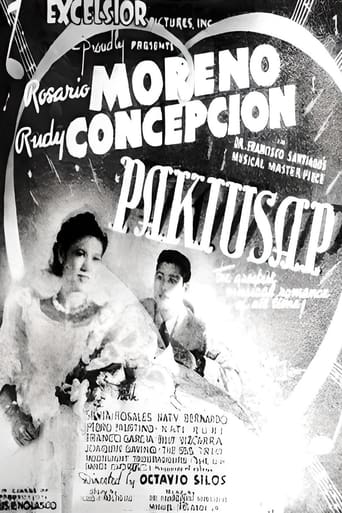
- Appeared in 'Pakiusap' (1940)
- Part of the pre-war golden age of Philippine cinema
- Contributed to early Tagalog-language film development
Best Known For
Iconic Roles
Must-See Films
Accolades
Special Recognition
- Recognized as pioneer of Philippine cinema
Working Relationships
Worked Often With
Studios
Why They Matter
Impact on Culture
Rosario Moreno contributed to the development of Philippine cinema during its critical formative years in the late 1930s, a period when the country was establishing its own cinematic identity separate from American and Spanish influences. Her work in Tagalog-language films helped solidify the use of native language in cinema, making movies more accessible to local audiences and contributing to the development of a distinctly Filipino film culture. As part of the first generation of Filipino film actors, Moreno helped establish acting traditions and techniques that would influence subsequent generations of performers in the Philippines.
Lasting Legacy
Rosario Moreno's legacy lies in her contribution to the foundation of Philippine cinema during its pre-war golden age. Though her filmography was brief, it represents an important period in Filipino cultural history when local filmmakers were first establishing a national cinema. Her performances in surviving films serve as valuable historical artifacts, showcasing the acting styles, production values, and storytelling approaches of early Philippine cinema. Moreno and her contemporaries paved the way for the future development of the Filipino film industry, which would go on to become.
Who They Inspired
As one of the early actresses in Philippine cinema, Rosario Moreno would have influenced subsequent generations of Filipino actors through her performances in the late 1930s. Her work demonstrated how dramatic acting could be effectively translated from stage to screen in the Philippine context, helping establish acting conventions that would be refined by later performers. The emotional expressiveness and dramatic intensity characteristic of her performances became hallmarks of classic Filipino cinema that continued to influence actors for decades.
Off Screen
Very little detailed information is available about Rosario Moreno's personal life, which is common for actors from this early period of Philippine cinema. Many records from this era were lost during World War II, making comprehensive biographical information difficult to obtain. Like many actors of her generation, she would have experienced the dramatic disruption of the film industry during the Japanese occupation of the Philippines from 1942-1945.
Did You Know?
- Part of the first generation of professional actors in Philippine cinema
- Her active years covered the critical pre-war period of 1939-1940
- Worked during what is considered the first golden age of Philippine cinema
- Appeared in Tagalog-language films when local cinema was asserting its cultural identity
- Many records from this period were lost during World War II
- Her films represent important cultural artifacts from pre-war Philippines
- The late 1930s saw the emergence of distinctly Filipino film genres and styles
- Actors of this period often came from theatrical backgrounds
Frequently Asked Questions
Who was Rosario Moreno?
Filipino actress active during the late 1930s and early 1940s, known for her roles in pre-war Philippine cinema. She appeared in notable films like 'Tunay Na Ina' (1939) and 'Pakiusap' (1940), contributing to the first golden age of Filipino filmmaking.
What films is Rosario Moreno best known for?
Titles linked here include Tunay Na Ina (1939), Pakiusap (1940).
When was Rosario Moreno active in films?
Rosario Moreno was active as an actress from 1939 to 1940, appearing in films during what is considered the first golden age of Philippine cinema. Her career was likely interrupted by World War II, which dramatically affected the Philippine film industry.
What was Rosario Moreno's contribution to Philippine cinema?
Rosario Moreno contributed to the establishment of Philippine cinema during its formative years, helping develop a distinctly Filipino film tradition. Her work in Tagalog-language films helped make cinema more accessible to local audiences and contributed to the cultural identity of Filipino filmmaking.
Why is information about Rosario Moreno limited?
Information about Rosario Moreno is limited because many records from the pre-war Philippine cinema era were lost during World War II. The Japanese occupation and subsequent destruction significantly damaged archival materials, making comprehensive biographical information about actors from this period difficult to obtain.