Rudy Concepcion
Actor
Born: 1914 in Manila, Philippines Died: 1940 Active: 1939-1940 Birth Name: Rodolfo Concepcion
Films
2 films
About Rudy Concepcion
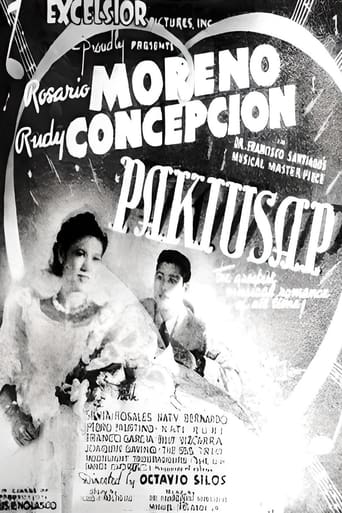
Prominent Filipino actor during the golden age of Philippine cinema in the late 1930s. Emerging during a pivotal period when Filipino films were transitioning to full sound production, Concepcion became known for his compelling performances in dramatic roles. His most notable works include 'Tunay Na Ina' (1939), where he showcased his ability to convey deep emotional complexity, and 'Pakiusap' (1940), which further established him as a leading man in the Philippine film industry. Though his career was brief, spanning only 1939 to 1940, Concepcion's contributions came during a formative era for Philippine cinema, when local filmmakers were establishing their unique identity separate from Hollywood influences. His performances helped define the archetypal Filipino leading man of that era, combining traditional values with modern sensibilities. The outbreak of World War II and subsequent Japanese occupation of the Philippines likely cut short what could have been a longer career, as was the case with many actors of his generation. Despite the brevity of his filmography, Concepcion in the history of Philippine cinema's development.
The Craft
On Screen
Rudy Concepcion was known for his naturalistic yet emotionally charged acting style, which was particularly effective in dramatic roles. He employed a subtle approach that avoided the exaggerated theatricality common in earlier silent film performances, instead focusing on nuanced facial expressions and controlled body language. His technique incorporated elements of both traditional Filipino storytelling and modern cinematic realism, making his performances relatable to contemporary audiences. Concepcion had a particular talent for conveying complex emotions through his eyes and subtle gestures, which became his signature in the dramatic films he appeared in.
Milestones
- Starred in 'Tunay Na Ina' (1939)
- Lead role in 'Pakiusap' (1940)
- One of the prominent leading men of pre-war Philippine cinema
- Contributed to the development of dramatic acting in Filipino films
Best Known For
Iconic Roles
Must-See Films
Accolades
Special Recognition
- Recognized as one of the actors of Philippine cinema's golden age
Working Relationships
Worked Often With
Studios
Why They Matter
Impact on Culture
Rudy Concepcion played a significant role in shaping the identity of Philippine cinema during its formative years. As one of the leading men of the late 1930s, he helped establish the archetype of the Filipino dramatic hero, blending traditional values with contemporary sensibilities. His performances contributed to the development of a uniquely Filipino acting style that differed from both Hollywood melodrama and Spanish theatrical influences. Concepcion's work in films like 'Tunay Na Ina' and 'Pakiusap' helped legitimize Tagalog-language cinema as a serious art form capable of exploring complex social and family themes. His brief career coincided with a period when Filipino filmmakers were asserting their cultural independence and creating films that reflected Philippine society and values.
Lasting Legacy
Though his career was tragically short, Rudy Concepcion's legacy endures as one of the figures of Philippine cinema's golden age. He is remembered as part of the first generation of truly Filipino film stars who helped establish a national cinema distinct from foreign influences. His performances in surviving films continue to be studied by film historians and scholars interested in the development of Philippine dramatic acting. Concepcion represents the lost potential of an entire generation of Filipino artists whose careers were interrupted by World War II, making him a symbol of what Philippine cinema might have achieved without the disruption of war. His name is frequently mentioned in retrospectives of pre-war Filipino cinema, and his films are considered important artifacts of Philippine cultural history.
Who They Inspired
Rudy Concepcion influenced subsequent generations of Filipino actors through his naturalistic approach to dramatic performance, which moved away from the theatrical style of earlier cinema. His technique of subtle emotional expression became a model for actors seeking to create more realistic and relatable characters on screen. The way he balanced traditional Filipino values with modern sensibilities in his roles provided a template for future leading men in Philippine cinema. Though he had few direct protégés due to his short career, his filmed performances served as study material for actors who came after him, particularly those working in dramatic roles during the 1940s and 1950s. His influence can be seen in the work of later Filipino actors who sought to combine emotional depth with authentic Filipino identity in their performances.
Off Screen
Rudy Concepcion lived during a tumultuous period in Philippine history, spanning the American colonial period and the beginning of Japanese occupation. His personal life was largely overshadowed by his brief but impactful career in the film industry. As a rising star in Manila's entertainment scene, he was part of a generation of Filipino artists who helped establish a national cinema identity. Tragically, his life and career were cut short in 1940, before the full outbreak of World War II in the Philippines, leaving many to wonder what greater contributions he might have made to Philippine cinema had he lived longer.
Did You Know?
- One of the first Filipino actors to gain fame during the sound era of Philippine cinema
- His real name was Rodolfo Concepcion, but he used 'Rudy' as his screen name
- Died tragically young at age 26, cutting short a promising career
- Appeared in only two known films, both of which are considered classics of pre-war Philippine cinema
- Worked during the same period as other Filipino cinema legends like Fernando Poe Sr. And Carmen Rosales
- His films were produced by major Philippine studios of the era, including LVN Pictures
- Part of the generation that helped establish Tagalog as the primary language of Philippine cinema
- His acting style was considered modern for its time, emphasizing subtlety over theatricality
- Both of his known films dealt with themes of family and relationships, which were popular in pre-war Philippine cinema
- His death in 1940 meant he missed the Japanese occupation period, which dramatically changed the Philippine film industry
In Their Own Words
(No documented quotes survive from Rudy Concepcion, as was common for actors of his era in Philippine cinema)
Frequently Asked Questions
Who was Rudy Concepcion?
Filipino with credits in this catalog. He appeared in notable films like 'Tunay Na Ina' (1939) and 'Pakiusap' (1940), establishing himself as a prominent leading man before his tragic early death at age 26.
What films is Rudy Concepcion best known for?
Titles linked here include Tunay Na Ina (1939), Pakiusap (1940).
When was Rudy Concepcion born and when did he die?
Born 1914; died 1940.
What awards did Rudy Concepcion win?
There are no documented awards that Rudy Concepcion received during his brief career, as formal award systems for Philippine cinema were not well-established during his active years in 1939-1940. However, he is recognized posthumously as an important figure in Philippine film history.
What was Rudy Concepcion's acting style?
Rudy Concepcion was known for his naturalistic and emotionally subtle acting style, which was modern for its time. He avoided the exaggerated theatricality common in earlier films, instead focusing on nuanced expressions and controlled performances that brought authenticity to his dramatic roles.