
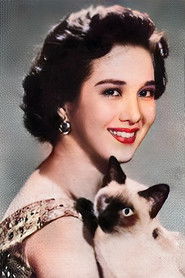
Tita Duran
Actor
Born: May 18, 1929 in Manila, Philippines Died: July 17, 1991 Active: 1939-1955 Birth Name: Teodorica Duran
Films
1 film
About Tita Duran
Tita Duran, born Teodorica Duran, was child actors in Philippine cinema history, often referred to as the 'Shirley Temple of the Philippines' during the golden age of Filipino films. She began her acting career at the tender age of 9, quickly captivating audiences with her natural charm, singing talent, and emotional depth that belied her young age. Her breakthrough came with the 1939 film 'Tunay Na Ina,' which established her as a major box-office draw and led to numerous starring roles throughout the 1940s. Duran's career flourished despite the challenges of World War II, and she successfully transitioned from child star to young adult actress, demonstrating remarkable versatility across dramatic and musical roles. She became one of the highest-paid stars of her era, working with all major studios and appearing in over 50 films throughout her career. Her partnership with actor Pancho Magalona, both on-screen and off-screen, created one of Philippine cinema's most beloved celebrity couples. Duran retired from acting in the 1950s to focus on her family, but her impact on Philippine entertainment continued through her children and grandchildren who also entered show business.
The Craft
On Screen
Natural and emotionally authentic, with remarkable maturity for her age. Duran was known for her ability to convey complex emotions with subtlety and depth, avoiding the exaggerated acting style common among child performers of her era. Her performances were characterized by a charming innocence combined with professional precision, whether in dramatic scenes requiring tears or musical numbers showcasing her singing talents.
Milestones
- Breakthrough role in 'Tunay Na Ina' (1939)
- Became highest-paid child star in Philippine cinema (1940s)
- Successful transition to adult roles in the 1950s
- Marriage to fellow actor Pancho Magalona (1951)
- Established entertainment dynasty with children in show business
Best Known For
Iconic Roles
Must-See Films
Accolades
Won
- FAMAS Award for Best Child Actress (1950)
- Gawad Urian Lifetime Achievement Award (posthumous, 1992)
- Cinema One Originals Icon Award (posthumous, 2015)
Nominated
- FAMAS Best Actress nomination (1952)
- Maria Clara Awards Best Actress nomination (1951)
Special Recognition
- Philippine Cinema Legacy Award (1990)
- Star Walk of Fame (2008)
- Cultural Center of the Philippines Centennial Honoree (1999)
Working Relationships
Worked Often With
Studios
Why They Matter
Impact on Culture
Tita Duran revolutionized child acting in Philippine cinema, setting new standards for natural performance and emotional authenticity. Her success paved the way for future generations of child stars in the Philippines and demonstrated that young performers could carry major films to box office success. During the Japanese occupation of the Philippines, her films provided crucial entertainment and escapism for Filipino audiences, making her a symbol of cultural resilience. Her transition from child star to respected adult actress created a blueprint for career longevity in show business that many subsequent performers would follow.
Lasting Legacy
Tita Duran's legacy extends far beyond her filmography, encompassing the establishment of one of Philippine entertainment's most influential families. Through her son Francis Magalona and grandchildren, her influence continues in contemporary Philippine music, television, and film. She is remembered as a pioneer who elevated the status of child performers and demonstrated the commercial viability of family-oriented content in Philippine cinema. Her films are now considered important cultural artifacts that preserve the language, customs, and values of pre-war and post-war Philippine society.
Who They Inspired
Duran's naturalistic acting style influenced generations of Filipino actors, moving away from theatrical performances toward more subtle, realistic portrayals. Her success as a child star who maintained popularity into adulthood inspired future performers like Vilma Santos and Nora Aunor to pursue similar career trajectories. The entertainment dynasty she created through her marriage to Pancho Magalona established a model for family-based show business careers in the Philippines, with her children and grandchildren continuing her artistic legacy across multiple entertainment mediums.
Off Screen
Tita Duran married fellow actor Pancho Magalona in 1951, creating one of Philippine cinema's most celebrated couples. Their marriage lasted until Pancho's death in 1998, producing a large family that would continue the entertainment legacy. Duran devoted her later years to raising her children and managing their careers, becoming a respected matriarch in Philippine show business. She maintained a private life away from the spotlight in her final decades, though she occasionally appeared in interviews discussing the golden age of Philippine cinema.
Education
Assumption College Manila, attended before focusing on her entertainment career
Family
- Pancho Magalona (1951-1991)
Did You Know?
- Was nicknamed 'Shirley Temple of the Philippines' due to her popularity and singing talent
- Could speak multiple languages fluently, including Tagalog, English, and Spanish
- Began her career after being discovered by a talent scout at a school program
- Her 1939 film 'Tunay Na Ina' was one of the highest-grossing Filipino films of the decade
- During WWII, she continued making films under Japanese occupation, using entertainment as subtle resistance
- Was one of the first Filipino child stars to earn a percentage of film profits
- Her wedding to Pancho Magalona was called the 'Wedding of the Year' by Philippine media in 1951
- Retired at age 26, at the height of her career, to focus on family
- Her son Francis Magalona became known as the 'Master Rapper' of the Philippines
- Was posthumously honored in a retrospective of Philippine cinema at the Museum of Modern Art in New York
In Their Own Words
Acting is not just performing, it's feeling every emotion as if it's real, even when you're just a child.
I never thought of myself as a star. I was just a girl who loved to make people happy through my performances.
The greatest reward of being an actress is not the fame or fortune, but the love you receive from your audience.
Frequently Asked Questions
Who was Tita Duran?
Filipino child actress who rose to fame in the late 1930s and became widely known. Known as the 'Shirley Temple of the Philippines,' she captivated audiences with her natural acting talent and singing abilities, starring in numerous hit films throughout the 1940s and early 1950s.
What films is Tita Duran best known for?
Titles linked here include Tunay Na Ina (1939), Ang Maestra (1941).
When was Tita Duran born and when did she die?
Born May 18, 1929; died July 17, 1991.
What awards did Tita Duran win?
Tita Duran received the FAMAS Award for Best Child Actress in 1950, recognizing her outstanding performances as a young performer. She also received posthumous honors including the Gawad Urian Lifetime Achievement Award in 1992, the Philippine Cinema Legacy Award in 1990, and was inducted into the Star Walk of Fame in 2008.
What was Tita Duran's acting style?
Tita Duran was known for her natural and emotionally authentic acting style, which was revolutionary for child performers of her era. She avoided the exaggerated mannerisms common among child actors, instead delivering performances with remarkable maturity and subtlety. Her ability to convey complex emotions with genuine feeling set her apart and influenced generations of Filipino actors.
How did Tita Duran influence Philippine cinema?
Tita Duran transformed child acting in Philippine cinema by demonstrating that young performers could deliver sophisticated, nuanced performances. Her success proved that films centered on child protagonists could be commercially successful, paving the way for future family-oriented content. She also established a blueprint for career longevity, successfully transitioning from child star to adult actress.
Was Tita Duran married and did she have children?
Yes, Tita Duran married fellow actor Pancho Magalona in 1951, and their marriage lasted until her death in 1991. They had seven children, including Francis Magalona, who became a famous rapper and actor in the Philippines. The Magalona family became one of Philippine entertainment's most influential dynasties, with multiple generations continuing in show business.