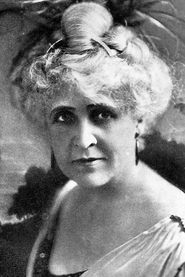
Mollie McConnell
Actor
- Active
- 1921-1921
Films 1
About Mollie McConnell
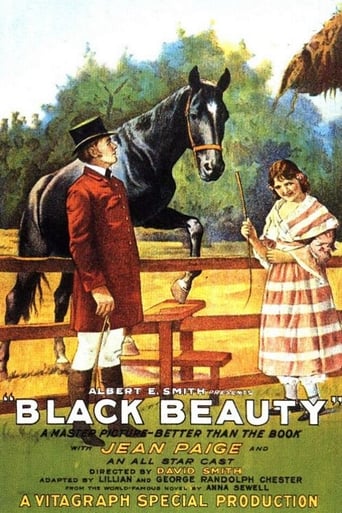
Mollie McConnell was an American silent-film actress whose surviving screen record places her career in the early 1920s, with Black Beauty (1921) among the films for which she is documented. Like many performers of the silent era whose careers were brief or only partially preserved in historical records, she appears in contemporary filmographies and cast lists more often than in richly documented biographical accounts. Available evidence suggests that her career was centered in the early phase of Hollywood feature production, when studios relied heavily on stage-trained and character-playing actors to populate literary adaptations and family pictures. Her name is sometimes encountered in cast material from period sources and later indexes of silent-cinema performers, but detailed personal information such as birth, family background, training, and later life has not survived in widely accessible reference works. Because of that scarcity, Mollie McConnell is best understood as one of the many working actors who helped shape the silent screen without leaving a large public biography behind. Her inclusion in Black Beauty links her to one of the era's enduring juvenile and family-centered literary adaptations, a genre that depended on expressive acting and clear emotional communication in the absence of synchronized dialogue. Beyond that verified appearance, her exact career arc remains difficult to reconstruct with confidence from surviving mainstream sources.
More about Mollie McConnell
On screen
No detailed contemporary description of Mollie McConnell's acting style is readily preserved in major reference sources. Based on the requirements of silent-era filmmaking and her placement in a 1921 literary adaptation, her work would likely have depended on expressive facial acting, precise gesture, and clear visual characterization rather than spoken dialogue. Silent performers in family and period pictures generally balanced emotional clarity with restraint so that intertitles and ensemble staging could carry the narrative efficiently. Any assessment of her style must remain cautious because surviving reviews and extended commentary about her individual performance are not widely available.
In film history
Mollie McConnell's cultural importance lies less in celebrity than in what she represents: the large and often under-credited body of actors who populated silent cinema's literary adaptations, melodramas, and family films. Her documented presence in Black Beauty connects her to a major tradition of early American filmmaking that translated beloved novels into visual spectacle for broad audiences, helping establish the silent feature as a mainstream art form. Even when individual biographies are lost, performers like McConnell contributed to the collective performance vocabulary of the silent screen, shaping how character, emotion, and narrative were communicated before synchronized sound. For film historians, her name is valuable as part of the reconstruction of cast histories and as evidence of the many women whose labor supported the growth of the studio-era film industry. Her limited surviving documentation also illustrates the archival fragility of early cinema careers, especially for actors outside the top star tier.
Later reputation
Mollie McConnell's legacy is primarily archival and historical: she remains part of the surviving record of early silent cinema, especially through her association with Black Beauty (1921). While she does not appear to have left a large body of credited work or a widely publicized star persona, her career contributes to the broader understanding of ensemble performance in the silent era. Film history increasingly recognizes that the silent period was built not only by major stars and directors, but also by countless supporting performers whose names survive in cast lists, trade papers, and studio records. In that sense, McConnell's legacy is the reminder that early film history is often reconstructed from fragments, and that those fragments still matter. Her name endures as a small but meaningful thread in the fabric of American silent cinema.
Influence
There is no documented evidence that Mollie McConnell directly mentored other performers or was herself a major stylistic influence in the way major silent stars were. Her influence is therefore best understood indirectly, through participation in the performance culture of early Hollywood rather than through a traceable star system. Actors like McConnell helped establish the norms of silent-screen supporting performance: readable emotion, compact characterization, and adaptability to different genres. That collective labor influenced the general craft of screen acting even when individual names faded from prominence.
Off screen
No reliably documented personal biography is widely available for Mollie McConnell in standard film references, and surviving sources do not clearly establish details of her family life, marriages, children, or later years. This lack of documentation is common for silent-era performers, especially those whose careers were brief, supporting-oriented, or only partially indexed in later archival research. At present, any personal-life claims beyond her professional screen credit would be speculative. For database purposes, she should be treated as an under-documented silent-film actor rather than a fully biographically reconstructed public figure.
Education
No confirmed educational background is readily available in surviving mainstream references.
Credits
- Documented screen appearance in the silent feature Black Beauty (1921)
- Participation in early-1920s American silent cinema during the peak years of literary adaptation filmmaking
- Representation of the many supporting and character performers whose work helped define the texture of silent-era storytelling
Roles
- Supporting or cast role in Black Beauty (1921)
Films
- Black Beauty (1921)
Notes
- Mollie McConnell is documented in connection with Black Beauty (1921), a silent adaptation of a beloved English novel that had enduring appeal for family audiences.
- Her surviving film record is extremely brief, which makes her a classic example of a silent-era performer whose biography is only partially recoverable.
- She is part of the large category of early Hollywood actors whose names persist mainly through cast lists, film indexes, and archival references rather than extensive press coverage.
- Because no reliable birth or death record is readily available in mainstream film reference sources, she remains difficult to distinguish biographically from other similarly named individuals without careful film-context verification.
- Her career falls within a transformative moment in cinema history, when silent features were becoming longer, more polished, and more commercially important.
- Black Beauty was the kind of production that often employed a mix of established and lesser-known actors to create a believable ensemble world.
- Her documented activity in 1921 places her squarely in the late silent era's flourishing studio system, just before sound filmmaking reshaped the industry.
Questions
Who was Mollie McConnell?
Mollie McConnell was an American silent-film actor best known from her documented appearance in Black Beauty (1921). She appears to have been a working performer in early Hollywood, though surviving biographical information about her life is very limited.
What films is Mollie McConnell best known for?
She is best known for Black Beauty (1921), the silent adaptation of the classic novel. At present, that is the principal confirmed film associated with her in widely accessible reference material.
When was Mollie McConnell born and when did she die?
Her birth and death dates are not readily confirmed in surviving mainstream film references. Likewise, her birth place and later-life details remain unavailable in the sources most commonly used for classic cinema research.
What awards did Mollie McConnell win?
No awards or nominations are currently documented for Mollie McConnell in the surviving record. This is not unusual for early silent-era supporting actors, many of whom worked before the modern awards culture developed.
What was Mollie McConnell's acting style?
Her individual acting style is not described in detail in preserved contemporary commentary. Given her era and the demands of silent film, her performance would likely have relied on expressive gesture, body language, and clear emotional readability.
What is Mollie McConnell's legacy in film history?
Her legacy lies in the historical record of silent cinema and in the many under-credited performers who helped build the medium. Even with limited surviving documentation, her name contributes to the reconstruction of early Hollywood casting and production history.