1921 · null

Also available on: Archive.org
Black Beauty

Black Beauty

1921 null United States

"null"

Cruelty versus kindness toward animalsMoral education and sentimentEndurance through hardshipHuman responsibility and compassionSocial and domestic melodrama

Plot

This 1921 silent adaptation of Anna Sewell’s beloved novel follows the life of Black Beauty from his early days as a cherished horse to the hardships that test his endurance and spirit. The film expands beyond the horse’s first-person memories to include the human stories that unfold around him, weaving romance, family conflict, and rural melodrama into the familiar animal-centered narrative. As Black Beauty changes hands and experiences both kindness and cruelty, the film emphasizes the moral character of the people who care for him or exploit him, using the horse’s journey to reflect the values of the community around him. The story culminates in a resolution that restores order and rewards compassion, in keeping with the sentimental style of early 1920s literary adaptations.

About the Production

Release Date 1921
Budget null
Box Office null
Production Vitagraph Company of America
Filmed In null

This film was produced during Vitagraph’s later silent era, when the studio was adapting well-known literary properties for family audiences and exhibition in the expanding nationwide cinema market. Like many 1920s adaptations of popular novels, it appears to have been shaped to appeal to audiences familiar with Anna Sewell’s book while also broadening the story with additional human melodrama. Surviving production documentation is limited, and precise on-set details, location data, and budget records are not readily documented in accessible sources. The film is notable as one of the numerous silent-era attempts to bring Black Beauty to the screen before sound remakes and later children’s versions made the title even more familiar.

Historical Background

The film was produced in 1921, during the late silent era when the American film industry had become highly organized around studio production, star promotion, and recognizable source material. Vitagraph, one of the foundational companies of early U.S. cinema, was nearing the end of its independent prominence as larger corporate structures and distribution networks increasingly dominated the business. Adaptations of beloved novels such as Black Beauty served an important commercial and cultural function by connecting cinema to established literary respectability while also appealing to children and family audiences. In the broader social context, the film emerged in a period when cinema was still solidifying its legitimacy as mass entertainment and when humane sentiment toward animals could be dramatized as a moral lesson for contemporary viewers.

Why This Film Matters

As another screen version of Anna Sewell’s enduring novel, this film belongs to the early cinematic tradition of transforming canonical children’s literature into visual melodrama. Its existence demonstrates how quickly Black Beauty became a reusable cultural property, long before the modern franchise era, and how studios recognized the emotional power of stories centered on animal suffering, loyalty, and kindness. The film also reflects silent-era storytelling habits, in which animal narratives were commonly expanded with human subplots to sustain feature length and to increase emotional and dramatic variety. While it is not among the most famous Black Beauty adaptations today, it remains part of the lineage that helped keep Sewell’s novel alive in popular culture across generations of readers and filmgoers.

Making Of

Black Beauty (1921) was mounted by Vitagraph as part of the studio’s continued reliance on literary adaptations, especially titles with built-in recognition and family appeal. Director David Smith worked within the conventions of silent melodrama, where animal-centered stories were often broadened with parallel human plotlines to create a fuller feature narrative and give actors more opportunities for emotional scenes. Surviving behind-the-scenes documentation is limited, so specific anecdotes about casting sessions, shooting schedules, and location work are not firmly established in readily available sources. The production likely depended on trained horse handling and careful staging typical of early silent animal pictures, where safety and continuity were important concerns despite the lack of modern effects or large-scale stunt methods.

Visual Style

As a 1921 silent drama, the film would have relied on expressive composition, intertitles, and clear visual storytelling to communicate the emotional and moral contours of the story. Cinematography in this period typically emphasized readable staging, medium and long shots for action involving horses, and close framing for emotional reactions in human scenes. Because the story centers on an animal protagonist, visual clarity and continuity would have been especially important in depicting movement, ownership changes, and moments of danger or compassion. The film likely used the restrained, theatrical yet increasingly mobile visual style common to late Vitagraph productions of the early 1920s.

Innovations

The film does not appear to be associated with major formal innovations, but it participates in the technically demanding tradition of silent animal pictures. Staging scenes with horses required careful coordination, especially in an era before standardized safety protocols and sound recording constraints were removed from production. The adaptation also demonstrates the feature-length expansion of literary material, a common narrative technique in the early 1920s when studios adapted novels into fuller dramatic structures. Its main technical accomplishment lies in its clear silent-era visual storytelling and in its handling of an animal protagonist within a conventional melodramatic framework.

Music

As a silent film, Black Beauty (1921) did not have a synchronized recorded soundtrack. Musical accompaniment would have been supplied live in theaters by a pianist, organist, or small ensemble, with selections chosen to match the mood of the scenes and the preferences of each venue. No original score is widely documented in accessible sources, and any surviving cue sheets or theater-specific musical arrangements are not commonly cited in modern references. The viewing experience would therefore have varied somewhat from one exhibition to another, as was standard for the silent era.

Famous Quotes

null

Memorable Scenes

  • Black Beauty’s early life of comfort and care establishes the emotional contrast that drives the rest of the story.
  • The horse’s changing ownership and the hardships that follow serve as the film’s central dramatic engine.
  • Scenes that juxtapose animal suffering with human kindness underscore the moral message of the adaptation.
  • The film’s expanded human subplots provide melodramatic counterpoint to Black Beauty’s journey, a characteristic feature of this version.

Did You Know?

  • It is a silent-era American adaptation of Anna Sewell’s 1877 novel Black Beauty.
  • The film was directed by David Smith, a prolific Vitagraph director active in the silent period.
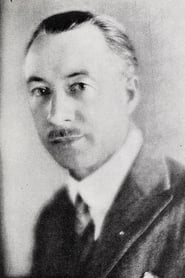
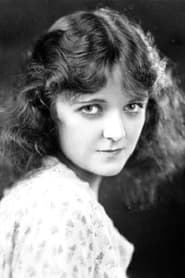
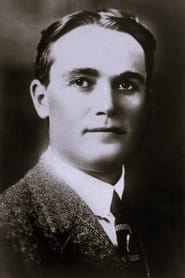
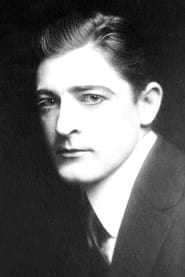
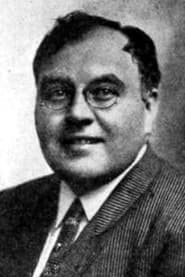
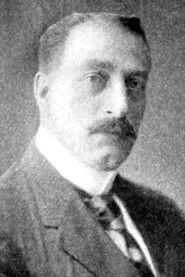
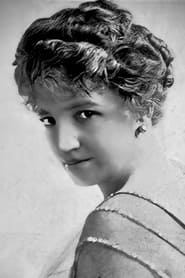
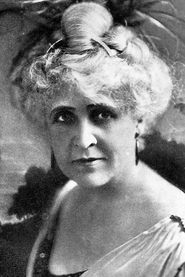
  • Jean Paige, James Morrison, and George Webb are among the credited cast members associated with this adaptation.
  • This version is known for expanding the novel’s horse-centered perspective by adding more human drama around Black Beauty’s adventures.
  • Vitagraph was one of the major American studios during the silent era, and this production belongs to its long output of literary and family entertainment.
  • The film is easily confused with later adaptations, especially the better-known sound-era versions, but it is a distinct 1921 silent film.
  • Because of the age of the production, detailed modern publicity materials and comprehensive production records are scarce.
  • The film reflects early 20th-century studio practice of adapting successful literary works as a reliable draw for exhibitors and audiences.
  • Like many silent films of its era, music would have been provided live in theaters rather than through a synchronized recorded score.
  • The film contributes to the long screen history of Black Beauty, one of the most frequently adapted animal-literature properties in cinema history.

What Critics Said

Contemporary detailed reviews are difficult to recover in full from surviving sources, but the film would have been received within the silent-era framework that valued faithful literary titles, clear melodramatic emotion, and family appeal. As with many early adaptations, modern critical assessment is constrained by the scarcity of surviving prints, production records, and extensive review coverage, so its exact critical standing is not widely documented. In retrospect, the film is chiefly of historical interest as an early 1920s interpretation of a much-adapted classic rather than as a title that maintained a strong independent reputation through the decades. Film historians generally regard such productions as valuable evidence of studio adaptation practices and the evolving screen treatment of animal-centered narratives.

What Audiences Thought

Specific box-office data and audience reaction reports have not been widely preserved, but the title itself would have had strong recognition because of the popularity of Sewell’s novel. Silent-era audiences were generally receptive to emotional domestic dramas and literary adaptations, especially those involving children, animals, and moral resolution. The film’s expanded human story likely helped make it accessible to theatergoers who wanted not only the horse’s trials but also romance and family conflict. Its enduring audience significance today lies more in historical curiosity and bibliographic interest than in widespread modern viewership.

Film Connections

Influenced By

  • Anna Sewell's novel Black Beauty (1877)
  • Silent-era family melodramas
  • Early screen animal pictures and literary adaptations

This Film Influenced

  • Later Black Beauty adaptations and horse-centered family films
  • Subsequent cinematic animal melodramas that mix human and animal storylines

Film Restoration

Null: no widely verified preservation status could be confirmed from readily accessible sources. The film is not commonly cited among the best-known surviving Vitagraph titles, and comprehensive archival status should be checked against major silent-film collections and catalogues for the most current holding information.

Themes & Topics