Films
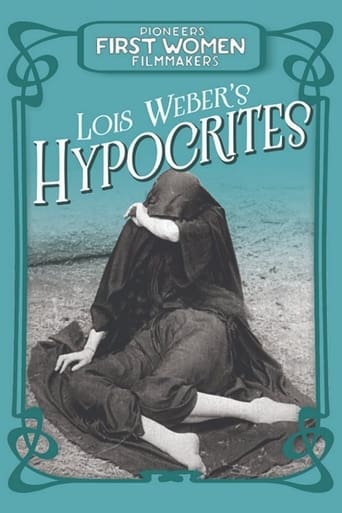
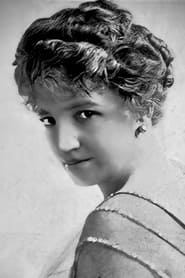
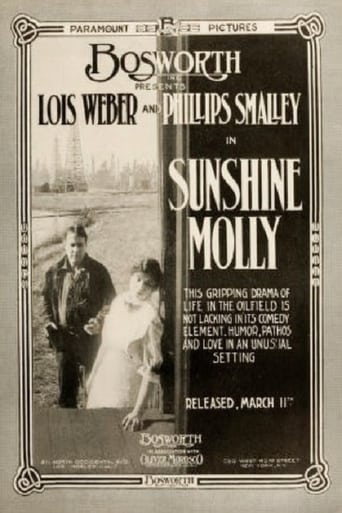
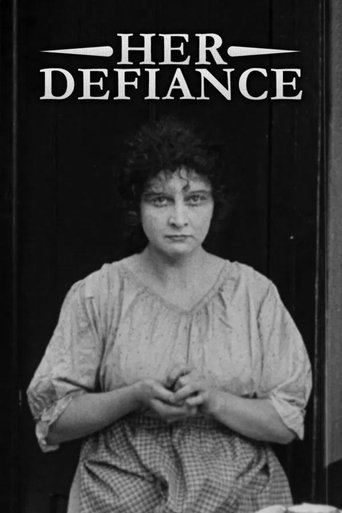
4 films
About Adele Farrington
American silent-era character actress: screen work was concentrated in the mid-1910s, a period when Hollywood was rapidly professionalizing and film companies relied heavily on experienced stage and screen performers for authority and polish. She is documented in surviving filmographies for appearances in titles such as Hypocrites (1915), Sunshine Molly (1915), and Her Defiance (1916), suggesting a career that fit squarely within the transitional years of the silent feature film. Like many actresses of the period, she is best understood through her credited roles rather than through extensive surviving publicity or biography, and the historical record on her life is limited compared with more heavily documented stars. Her film appearances indicate that she worked during a time when studios were experimenting with more ambitious storytelling, moral allegory, and feature-length drama. She appears to have specialized in supporting or character parts rather than leading-star vehicles, a common and essential function in early cinema. Because the available record is sparse, many personal details of her life remain undocumented in widely accessible sources, but her presence in surviving filmographies confirms her participation in the formative years of American silent film.
The Craft
On Screen
No detailed contemporaneous acting analyses of Adele Farrington are readily preserved in major modern reference sources, but her work in mid-1910s silent films would have required expressive, clear visual performance suited to the conventions of the era. Actors in this period relied on nuanced facial expression, composed body language, and legible emotional contrast rather than spoken dialogue. Her credited appearances in feature films suggest that she was a reliable character performer capable of adapting to the heightened dramatic style common in silent cinema. Any assessment of her exact style must remain cautious because surviving documentation about her individual technique is scarce.
Milestones
- Appeared in Hypocrites (1915), a notable silent feature remembered for its symbolic and moralizing imagery.
- Worked in Sunshine Molly (1915), placing her within the active silent-film production world of the mid-1910s.
- Appeared in Her Defiance (1916), extending her screen activity into another feature from the same formative era.
- Represents the many supporting performers whose work helped establish silent-era feature filmmaking as a mature dramatic form.
- Maintains a documented presence in early American cinema filmographies despite limited surviving personal information.
Best Known For
Iconic Roles
Must-See Films
Working Relationships
Worked Often With
Studios
Why They Matter
Impact on Culture
Adele Farrington's cultural impact lies less in star celebrity than in her presence as part of the working fabric of silent-era filmmaking. Performers like Farrington were indispensable to the growth of American cinema because they gave credibility, continuity, and dramatic texture to the feature films of the 1910s. Her appearances in surviving filmographies demonstrate the breadth of participation that made early Hollywood possible, especially during years when the industry was still defining screen acting conventions. Even without extensive biographical detail, her work contributes to the historical record of women who sustained the silent film boom through capable supporting performances.
Lasting Legacy
Her lasting legacy is that of a documented silent-era actress whose credits survive even though much else about her life has been lost to time. For film historians and database researchers, she is a reminder that early cinema depended on many professionals whose names appear in cast lists but whose personal stories were not always preserved. The fact that she is still identifiable through filmographies such as Hypocrites, Sunshine Molly, and Her Defiance ensures that she remains part of the historical map of silent Hollywood. Her legacy is therefore archival as well as artistic: she stands for the many early screen performers whose careers can be traced in fragments across surviving records.
Who They Inspired
There is no evidence that Adele Farrington exerted a documented direct influence on later actors or directors in the way major stars did, but her work contributes indirectly to the development of screen performance during the silent era. Supporting actors of her type helped define the ensemble acting norms that later generations of performers inherited in feature filmmaking. By participating in early feature productions, she was part of the generation that established the practical grammar of silent performance, including gesture, timing, and visual clarity. Her influence is thus historical and cumulative rather than personally recorded.
Off Screen
Publicly accessible information about Adele Farrington's personal life is extremely limited, and major reference sources do not provide a reliable, well-documented account of her family background, marriages, children, or later life. This is not unusual for many silent-era supporting players, whose professional records were often preserved more thoroughly than their personal histories. Because of that, any claim about her private life beyond her film credits would be speculative and is best left unasserted. At present, her surviving legacy is primarily cinematic rather than biographical.
Did You Know?
- Adele Farrington's known film activity is concentrated in just two years, 1915 and 1916, suggesting either a brief screen career or an incompletely preserved record.
- She is associated with Hypocrites (1915), a film notable for its allegorical content and controversial themes for the period.
- Her surviving credit list places her in the middle of the silent feature era rather than the earliest one-reel short-film period.
- Much of her life story is undocumented in modern readily accessible references, which is common for many silent-era supporting performers.
- She is one of many early actresses whose contribution is preserved mainly through cast listings and filmographies rather than interviews or memoirs.
- The scarcity of personal data on Farrington makes her a useful example of the archival challenges involved in researching silent cinema.
- Her screen career coincided with the rapid expansion of Hollywood feature production in the 1910s.
Frequently Asked Questions
Who was Adele Farrington?
American silent-film actress active in the mid-1910s. She is known from surviving film credits rather than from extensive biographical documentation, and her recorded screen work includes Hypocrites, Sunshine Molly, and Her Defiance.
What films is Adele Farrington best known for?
Titles linked here include Hypocrites (1915), Sunshine Molly (1915).
When was Adele Farrington born and when did she die?
Her birth and death dates are not reliably documented in the readily accessible historical record. Likewise, her birth place and later life details are not clearly established in major standard references.
What awards did Adele Farrington win?
No awards or formal honors are known to be documented for Adele Farrington in surviving mainstream reference sources. This is not unusual for many silent-era supporting players whose careers predated modern awards culture.
What was Adele Farrington's acting style?
Her exact acting style is not well documented, but as a silent-era performer she would have relied on expressive facial work, gesture, and visual clarity. Performers in her era needed to communicate character and emotion without dialogue, especially in feature-length dramas.
What is Adele Farrington's legacy in film history?
Her legacy is that of a documented participant in early American silent cinema. Even with limited biographical detail, her credits help preserve the names of the many working actors who made the silent feature era possible.