Films
1 film
About Charlie Crafts
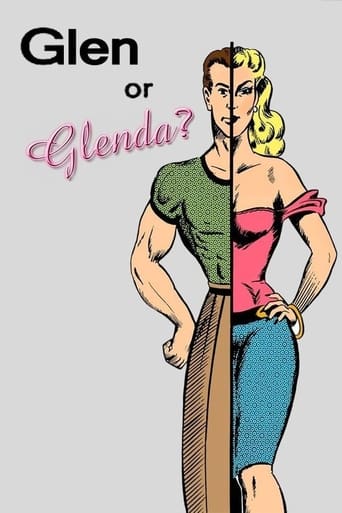
Charlie Crafts is credited on a single production — Glen or Glenda (1953). His only known film appearance was in Ed Wood's controversial 1953 film 'Glen or Glenda,' where he played a minor role. Like many bit players in low-budget productions of this era, Crafts was likely a struggling actor trying to break into the industry during the transitional period from the studio system to more independent filmmaking. His appearance in what would later become a cult classic represents his entire known filmography, making him one of cinema's most obscure performers. Despite the film's later notoriety, Crafts seemingly did not pursue further acting opportunities, or if he did, those roles were not documented in major film databases. His legacy is tied exclusively to his participation in infamous films of the 1950s.
The Craft
Milestones
- Appeared in Ed Wood's 'Glen or Glenda' (1953)
Best Known For
Iconic Roles
Must-See Films
Working Relationships
Worked Often With
Studios
Why They Matter
Impact on Culture
Charlie Crafts' cultural impact is minimal due to his extremely limited filmography, consisting of only one appearance in 'Glen or Glenda.' However, his participation in what would later become a notorious cult classic means he is forever connected to. The film's later rediscovery and status as a 'so bad it's good' masterpiece has given even its most minor participants a small footnote in cinema history. Crafts represents the countless anonymous actors who appeared in low-budget films during Hollywood's transitional period, many of whom remain largely forgotten despite their contributions to films that would later gain significance.
Lasting Legacy
Charlie Crafts' legacy is that of an obscure actor who appeared in one of cinema's most infamous films. His sole credit in 'Glen or Glenda' places him among the many anonymous performers who contributed to Ed Wood's unique filmography. While he never achieved recognition during his lifetime, the cult status of the film ensures that his name, however obscure, is preserved in film history. Crafts serves as a reminder of the thousands of bit players and minor actors who formed the backbone of Hollywood productions during the golden age, even if their contributions were minimal and their careers brief.
Who They Inspired
Due to his extremely limited filmography, Charlie Crafts had no known influence on other actors or directors. His brief appearance in a single film did not provide enough material to establish a recognizable style or technique that could influence others. However, his participation in what would become a cult classic means he is part of the film's historical context, even if his individual contribution was minimal.
Off Screen
Very little is known about Charlie Crafts' personal life, as he was an obscure actor who appeared in only one film. Like many bit players in low-budget productions of the 1950s, his life outside of his brief film appearance remains undocumented in major film archives and databases.
Did You Know?
- Charlie Crafts' only known film appearance is in Ed Wood's 'Glen or Glenda' (1953)
- He was part of what would later become
- Like many actors in Ed Wood's films, Crafts was likely paid very little for his appearance
- His role in the film was minor and without on-screen billing in some releases
- The film was initially a commercial failure but gained cult status decades later
- Crafts represents the typical bit player who appeared in low-budget independent films of the 1950s
- No other film credits or biographical information about Crafts have been documented
- His appearance came during Hollywood's transitional period from the studio system
- The film's subject matter was highly controversial for its time
- Crafts' career coincided with the decline of the Hollywood studio system
Frequently Asked Questions
Who was Charlie Crafts?
American with credits in this catalog. He played a minor role in what would later become a cult classic, but otherwise remained an obscure figure in Hollywood history.
What films is Charlie Crafts best known for?
Titles linked here include Glen or Glenda (1953).
When was Charlie Crafts born and when did he die?
The birth and death dates of Charlie Crafts are not documented in available film archives and databases. Like many bit players from low-budget films of the 1950s, his biographical information remains largely unknown to film historians.
What awards did Charlie Crafts win?
Charlie Crafts did not receive any known awards or nominations for his brief acting career. His single film appearance in 'Glen or Glenda' was not recognized during his lifetime, though the film itself would later gain cult status.
What was Charlie Crafts' acting style?
Due to his extremely limited filmography consisting of only one minor role, there is insufficient information to determine Charlie Crafts' acting style or technique. Like many bit players of the era, his contribution was too brief to establish a recognizable artistic approach.