
Films
1 film
About Silvino Santos
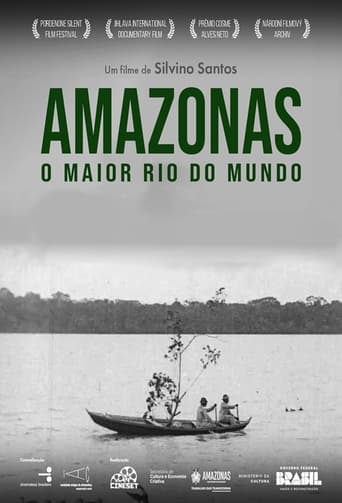
Brazilian documentary filmmaker and explorer who gained international recognition for his work documenting the Amazon rainforest. Born in Portugal, he later became a naturalized Brazilian citizen and embarked on numerous expeditions through the Amazon basin in the early 20th century. His most famous work, 'Amazon: Longest River in the World' (1918), also known as 'No Paiz das Amazonas,' was one of Brazil's earliest feature-length documentaries and showcased unprecedented footage of indigenous peoples, wildlife, and the vast river system. Santos spent years traveling through remote and dangerous regions of the Amazon, often under harsh conditions, to document landscapes and cultures that were largely unknown to the outside world. His technical innovations and determination to capture authentic footage established him as a pioneer of ethnographic cinema in Latin America. Despite the limitations of silent-era filmmaking equipment, Santos created visually compelling and historically significant documentation of the Amazon during a period of rapid transformation. His work predated many famous documentary filmmakers and remains an important artifact of early Brazilian cinema and anthropological documentation.
The Craft
Behind the Camera
Silvino Santos employed an observational and ethnographic directing style, focusing on authentic documentation rather than staged performances. His approach was characterized by long takes of natural landscapes, candid footage of indigenous peoples, and a commitment to showing the Amazon region as it existed without artificial manipulation. Santos prioritized educational and scientific value over entertainment, creating a visual record that served both as cinema and anthropological documentation. His work demonstrated remarkable patience and dedication to capturing authentic moments, often requiring extended stays in remote locations to gain the trust of indigenous communities and document their daily lives naturally.
Milestones
- Directed 'Amazon: Longest River in the World' (1918)
- ethnographic filmmaker in Brazil
- Early documentary filmmaker capturing Amazon region
- One of first to create feature-length documentary in Brazil
Best Known For
Must-See Films
Accolades
Special Recognition
- Recognized as pioneer of Brazilian documentary cinema
- Honored in Brazilian film history for early ethnographic work
Why They Matter
Impact on Culture
Silvino Santos made a profound cultural impact through his documentary work, which introduced global audiences to the Amazon region's vastness, diversity, and indigenous cultures during a time when this area remained largely mysterious to the outside world. His film 'Amazon: Longest River in the World' was instrumental in shaping international perceptions of Brazil and the Amazon basin, serving as both entertainment and educational material that reached audiences beyond Brazil's borders. Santos's work contributed to early anthropological studies by preserving visual records of indigenous peoples and their traditional ways of life during a period of rapid change and modernization. His documentaries helped establish Brazil's presence in international cinema and demonstrated the country's capacity for producing sophisticated, technically accomplished films during the silent era. The cultural significance of his work extends beyond cinema into fields of anthropology, geography, and environmental studies, making his films valuable historical documents that continue to be referenced by researchers and historians.
Lasting Legacy
Silvino Santos's legacy endures as one of Brazil's most important early documentary filmmakers and a pioneer of ethnographic cinema in Latin America. His groundbreaking work documenting the Amazon region established him as a visionary filmmaker who understood the power of cinema as both an artistic medium and a tool for scientific documentation. The footage he captured during the early 20th century represents an invaluable historical record of Amazonian cultures and ecosystems that have since undergone significant transformation or disappeared entirely. Santos's innovative techniques and dedication to authenticity influenced subsequent generations of documentary filmmakers in Brazil and throughout Latin America. His work is frequently cited in film histories as a milestone in the development of documentary cinema and remains an important reference point for understanding the evolution of Brazilian cinema. The preservation and study of his films continue to provide insights into early 20th-century exploration, ethnography, and filmmaking techniques.
Who They Inspired
Silvino Santos influenced the development of documentary filmmaking in Brazil and Latin America through his innovative approach to ethnographic documentation and his willingness to venture into challenging environments to capture authentic footage. His work demonstrated the potential of cinema as a medium for scientific and anthropological documentation, inspiring subsequent generations of filmmakers to explore similar territories and subjects. Santos's techniques for gaining the trust of indigenous communities and documenting their lives naturally became a model for later ethnographic filmmakers working in remote regions. His success in creating a feature-length documentary during the silent era proved that complex, educational films could find audiences and commercial success, encouraging Brazilian producers to invest in more ambitious documentary projects. The visual language and observational style he developed continue to influence documentary filmmakers working in Brazil and throughout South America, particularly those focusing on indigenous cultures and environmental subjects.
Off Screen
Silvino Santos was known primarily for his professional dedication to exploring and documenting the Amazon region rather than for his personal life. He immigrated from Portugal to Brazil, where he developed a deep fascination with the Amazon rainforest and its inhabitants. Santos spent considerable portions of his life on expeditions, often living among indigenous communities to gain their trust and document their cultures authentically. His commitment to his work came at personal cost, as he endured harsh conditions, diseases, and extended periods of isolation in the remote regions of the Amazon. Despite the challenges, he maintained a lifelong passion for exploration and documentation, becoming.
Did You Know?
- His film 'Amazon: Longest River in the World' was one of the first feature-length documentaries made in Brazil
- Santos spent years traveling through the Amazon, often living with indigenous communities to gain their trust
- His original film was titled 'No Paiz das Amazonas' in Portuguese
- The film was internationally distributed and helped introduce global audiences to the Amazon region
- Santos worked with primitive filming equipment by modern standards, making his achievements even more remarkable
- His footage includes some of the earliest moving images of certain Amazonian indigenous groups
- The film was partially financed by the Brazilian government, which recognized its promotional value
- Santos faced numerous dangers during his expeditions, including disease, dangerous animals, and hostile encounters
- His work predates many famous documentary filmmakers like Robert Flaherty
- Some of his footage has been used in subsequent documentaries about Amazon history and exploration
Frequently Asked Questions
Who was Silvino Santos?
Brazilian documentary filmmaker and explorer who gained fame for his groundbreaking 1918 film 'Amazon: Longest River in the World.' Born in Portugal but naturalized as Brazilian, he was one of the first filmmakers to create feature-length documentaries in Brazil and is considered a pioneer of ethnographic cinema in Latin America.
What films is Silvino Santos best known for?
Titles linked here include Amazon: Longest River in the World (1918), No Paiz das Amazonas (1918).
When was Silvino Santos born and when did he die?
Born 1886; died 1964.
What awards did Silvino Santos win?
While specific awards from his era are not well documented, Silvino Santos is recognized in Brazilian film history as a pioneer of documentary cinema. His work has been honored posthumously for its historical and cultural significance in preserving early 20th-century images of the Amazon region.
What was Silvino Santos's directing style?
Santos employed an observational and ethnographic directing style, focusing on authentic documentation rather than staged performances. He prioritized long takes of natural landscapes and candid footage of indigenous peoples, creating a visual record that served both as cinema and anthropological documentation.