Madeline Fairbanks
Actor
Born: February 17, 1895 in Brooklyn, New York, USA Died: August 21, 1989 Active: 1912-1915
Films
2 films
About Madeline Fairbanks
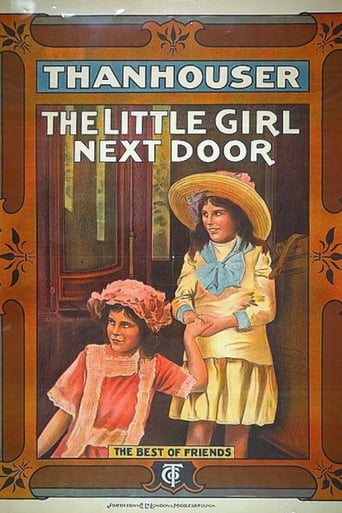
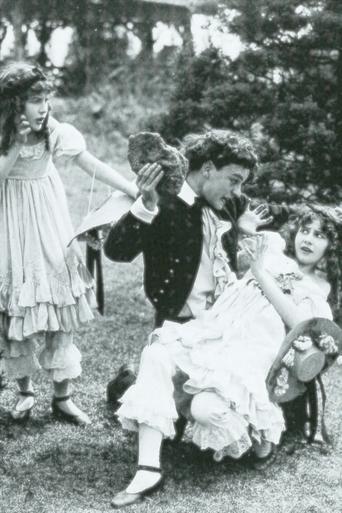
Madeline Fairbanks appears once in this catalog: The Little Girl Next Door (1912). She emerged as one of the many young actresses who found opportunities in the burgeoning film industry during this transitional period when cinema was establishing itself as a legitimate art form. Her career, though brief, coincided with significant developments in American filmmaking, including the shift from one-reel shorts to longer narrative features. Fairbanks appeared in several productions for various studios of the era, though her filmography remains incomplete due to the loss of many early films. Her most documented roles were in 'The Little Girl Next Door' (1912) and 'Their One Love' (1915), which showcased her ability to portray youthful characters with emotional depth. Like many actresses of her generation, her career ended before the film industry fully matured, and she appears to have left the business by the mid-1910s. Her story represents the countless performers who contributed to early cinema but whose careers were brief and largely undocumented.
The Craft
On Screen
Madeline Fairbanks employed the theatrical acting style typical of the early silent film period, characterized by exaggerated gestures and facial expressions necessary to convey emotion without dialogue. Her performances emphasized melodramatic elements that were popular with audiences of the time, using body language and expressive eyes to communicate her characters' feelings and motivations.
Milestones
- Film debut in 'The Little Girl Next Door' (1912)
- Leading role in 'Their One Love' (1915)
- Worked during the transitional period of early American cinema
- Appeared in multiple one-reel shorts during the silent era
Best Known For
Iconic Roles
Must-See Films
Working Relationships
Worked Often With
Studios
Why They Matter
Impact on Culture
Madeline Fairbanks represents the countless performers who contributed to the foundation of American cinema during its formative years. Though her career was brief and her films largely lost to time, she was part of the generation of actors who helped establish the grammar of film performance. Her work during the early 1910s coincided with crucial developments in cinematic storytelling, including the transition from simple actualities to complex narratives. Like many early film actors, she helped prove that moving pictures could effectively convey human emotion and tell compelling stories without dialogue, paving the way for the sophisticated performances that would follow in later decades.
Lasting Legacy
Madeline Fairbanks' legacy is primarily historical, serving as a representative example of the many anonymous performers who populated early American cinema. Her documented appearances in 'The Little Girl Next Door' and 'Their One Love' provide valuable glimpses into the acting styles and production values of the early 1910s. While she did not achieve lasting fame, her contribution to the development of film as an artistic medium is part of the collective foundation upon which modern cinema was built. Her story illustrates the transient nature of early film careers and the many talents that were lost to history as the industry rapidly evolved.
Who They Inspired
Due to the brevity of her career and the obscurity of her work, Madeline Fairbanks did not have a documented influence on subsequent performers or filmmakers. However, like all early film actors, she participated in establishing the basic techniques of screen acting that would be refined and developed by later generations. Her performances, though typical of their time, contributed to the evolving language of cinema that would influence countless artists in the decades to come.
Off Screen
Madeline Fairbanks led a relatively private life outside of her brief film career. Born in Brooklyn, New York, she was part of the generation of young women who were drawn to the new film industry in its early years. After leaving acting around 1915, she appears to have returned to a more conventional life away from the entertainment industry. She lived for nearly a century, witnessing the complete evolution of cinema from its silent beginnings to the modern era, though she maintained her distance from the industry she briefly participated in during her youth.
Education
Attended public schools in Brooklyn, New York
Family
- Robert L. Smith (1918-1965)
Did You Know?
- Her active years covered only three years during the early silent era
- Both of her known surviving films were romantic dramas
- She was part of the first generation of American film actors
- Her career ended before the feature film became dominant
- She lived to see the centenary of cinema's birth
- Her films were produced during the transition from short subjects to features
- Like many early actors, she likely earned very little for her performances
- Her career coincided with the move of film production from the East Coast to Hollywood
- She appears to have left the industry before it became highly profitable
- Her story represents the typical trajectory of early film actors who did not achieve stardom
Frequently Asked Questions
Who was Madeline Fairbanks?
American actress who worked in silent films during the early 1910s, appearing in productions like 'The Little Girl Next Door' (1912) and 'Their One Love' (1915). Her career was brief, spanning only from 1912 to 1915, and she represents the many performers who contributed to early cinema but did not achieve lasting fame.
What films is Madeline Fairbanks best known for?
Titles linked here include The Little Girl Next Door (1912), Their One Love (1915).
When was Madeline Fairbanks born and when did she die?
Born February 17, 1895; died August 21, 1989.
What awards did Madeline Fairbanks win?
Madeline Fairbanks did not receive any major awards or nominations during her brief career. The formal award systems that recognize film achievements, such as the Academy Awards, were not established until after she had already left the film industry.
What was Madeline Fairbanks' acting style?
Madeline Fairbanks employed the theatrical acting style typical of the early silent film period, characterized by exaggerated gestures and facial expressions necessary to convey emotion without dialogue. Her performances reflected the melodramatic approach popular with audiences of the early 1910s.