
Their One Love
"In the 1850s twin girls fall in love with the same young man."
Keys: Space play/pause · ←/→ 10s · F fullscreen · M mute · </> speed
About this film
In the 1850s twin girls fall in love with the same young man, and must struggle with their feelings once he goes off to fight in the Civil War.
Cast & crew
More films like this

More Action films
View all →
More from Jack Harvey
View all →
More about this film
About the production
Release dateFebruary 19, 1915
ProductionThanhouser Film Corporation
Filmed inNew Rochelle, New York
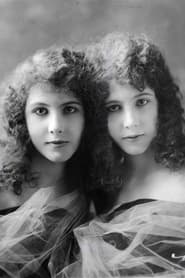
The film was produced by the Thanhouser Film Corporation, one of the pioneering studios of early American cinema. The Fairbanks twins, Madeline and Marion, were popular child actresses of the era and this film was one of their vehicles to showcase their identical appearance in dual roles. The production utilized the relatively new technique of having the same actress play both twins through careful editing and positioning, a technical challenge for 1915 filmmakers.
Themes
Themes & topics
Historical background
By 1915, distribution was widening and Their One Love reached audiences through the theatrical channels dominant before television.
Why this film matters
Archivists revisit Their One Love (1915) for performance styles and craft choices later mainstream releases refined.
Making of
The production of 'Their One Love' took place at Thanhouser's studio in New Rochelle, New York, which was one of the early centers of American filmmaking before the industry migrated to Hollywood. The Fairbanks twins, being actual sisters, brought natural chemistry to their roles as twins competing for the same man's affection. Director Jack Harvey, who had joined Thanhouser in 1913, was experienced in working with child actors and family dramas. The film's Civil War setting required period-accurate costumes and props, which Thanhouser was known for providing despite their relatively modest budgets compared to larger studios. The technical challenge of showing both twins in the same scene was accomplished through careful blocking and the use of stand-ins or body doubles when necessary.
What critics said
Press files from 1915 mention Their One Love in roundup columns of what played that week.
Did you know?
- The Fairbanks twins were actually sisters in real life, making their casting as twins particularly authentic
- Thanhouser Film Corporation was known for producing high-quality dramatic films during this period
- The film was released just months before the United States would enter World War I, making its Civil War themes particularly resonant
- Director Jack Harvey was a prolific director who made over 200 films during his career
- The film is now considered lost, as are approximately 90% of films made before 1920
- Thanhouser was one of the few early studios that regularly featured women and children in prominent roles
- The Civil War setting was popular in 1915 as the 50th anniversary of the war's end was approaching
- Silent films of this era typically used live musical accompaniment, with theaters providing their own scores
- The film's title reflects the common practice of using simple, descriptive titles in early cinema
- Charles Emerson was a regular actor in Thanhouser productions, often playing romantic leads
Visual style
The cinematography for 'Their One Love' would have been typical of Thanhouser productions of 1915, utilizing natural lighting where possible and basic camera setups. The film likely employed medium shots and close-ups to capture the emotional performances of the Fairbanks twins. The technical challenge of filming scenes with both twins would have required careful planning and possibly matte shots or double exposure techniques that were becoming more sophisticated by 1915. The Civil War setting would have been created through studio sets and possibly some location photography in the New York area.
Innovations
The primary technical achievement of 'Their One Love' was the effective use of twin actresses to create believable dual performances. By 1915, filmmakers were developing more sophisticated techniques for showing the same actor in multiple roles within the same scene. The film also demonstrated Thanhouser's ability to create convincing period settings for historical dramas despite working with limited resources compared to major studios. The production would have utilized the latest film stock and camera equipment available to independent producers in 1915.
Music
As a silent film, 'Their One Love' would have been accompanied by live music in theaters. The specific musical score would have varied by theater, with larger venues employing orchestras and smaller houses using pianists or organists. The music would have been selected to match the emotional tone of each scene, with romantic themes for the love story and more dramatic music for the Civil War sequences. Some theaters may have used cue sheets provided by Thanhouser to suggest appropriate musical selections.
Famous quotes
No dialogue available - silent film
Memorable scenes
- The emotional scene where both twins realize they love the same man
- The farewell scene as the soldier leaves for war
- The sisters receiving letters from the battlefield
- The final resolution where the twins must confront their feelings
What audiences thought
Audiences of 1915 responded positively to films featuring child actors and family dramas, making 'Their One Love' a popular attraction in theaters that programmed Thanhouser releases. The novelty of seeing actual twin sisters playing twins on screen was a significant draw for moviegoers of the era. The emotional storyline appealed to the primarily female audience base of early cinema. The film's themes of love, sacrifice, and family loyalty resonated with contemporary audiences who valued moral storytelling in their entertainment.
Film connections
Influenced by
- Civil War literature
- Victorian melodrama
- Stage plays about twins
- Contemporary romance novels
This film influenced
- Later twin sister films
- Civil War romance films
- Thanhouser family dramas
Film restoration
The film is considered lost. Like approximately 90% of American silent films, no copies of 'Their One Love' are known to survive in any archive or private collection. The Thanhouser Film Corporation's films from this period have a particularly low survival rate. The film exists only in written descriptions, reviews, and promotional materials from 1915.
Where to watch
- Not available - film is lost